
Pergola vs. Gazebo: Which Outdoor Structure Is Right for the 2026 Backyard?
Choosing between a pergola and a gazebo for the 2026 backyard involves understanding their distinct features and ideal applications. While both offer valuable outdoor living spaces, a pergola typically provides partial shade and an open, airy feel, often integrating seamlessly with existing landscaping. A gazebo, conversely, offers full shade and greater enclosure, creating a more defined, often intimate, sheltered retreat. The optimal choice depends on the homeowner’s specific needs for shade, privacy, aesthetic integration, and functional use within their outdoor environment.
The current landscape of outdoor design in 2026 sees a strong emphasis on smart functionality, sustainable materials, and biophilic integration, influencing the evolution of both pergolas and gazebos. Residents are increasingly seeking spaces that blend beauty with advanced technology and environmental consciousness.
Pergola: Openness, Integration, and Smart Design
Design and Aesthetics
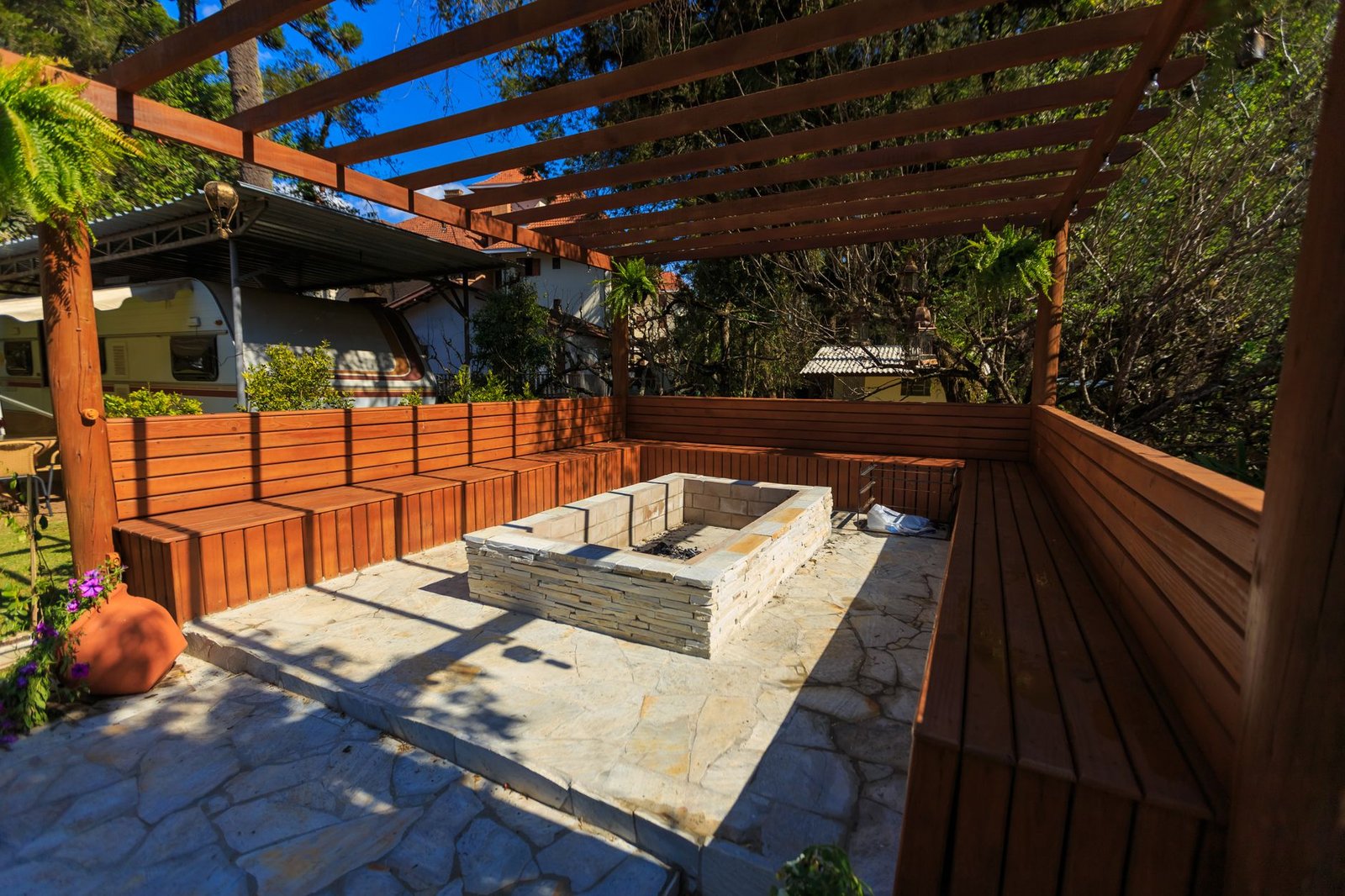
A pergola is characterized by its open roof structure, typically consisting of horizontal cross-beams and an open lattice or slats supported by vertical posts or columns. This design allows for filtered sunlight and promotes natural airflow, making it an excellent choice for creating a defined yet unobtrusive outdoor zone. Pergolas are often rectangular or square and can be freestanding or attached to a home, extending the living space outwards.
Aesthetically, pergolas excel in creating a sense of openness and connection to the surrounding landscape. They provide a framework for vertical gardening, allowing climbing plants like wisteria, grapevines, or jasmine to flourish, adding natural beauty, fragrance, and an organic layer of shade. This integration with nature aligns perfectly with 2026’s focus on biophilic design, enhancing well-being through connection to natural elements.
Functional Advantages
- Flexible Shade: The open roof provides partial shade, ideal for enjoying sunny days without full exposure. Modern pergolas often feature adjustable louvered roofs, allowing the user to control sun exposure with precision.
- Defined Spaces: Pergolas effectively delineate outdoor areas for dining, lounging, or an outdoor kitchen without creating a sense of enclosure. This makes them perfect for breaking up larger backyard spaces or enhancing a patio.
- Vertical Garden Support: Their open structure is ideal for supporting climbing plants, offering natural cooling and enhancing aesthetic appeal.
- Enhanced Ventilation: The open design ensures excellent air circulation, keeping the space comfortable even on warm days.
- Aesthetic Versatility: Available in a wide range of materials and styles, pergolas can complement virtually any architectural theme, from rustic to ultra-modern.
Modern Material Trends (2026)
In 2026, pergolas are embracing innovation:
- Smart Louvered Systems: Automated pergolas with motorized louvered roofs are paramount. These systems can be controlled via smartphone apps or smart home assistants, allowing for instant adjustments to sunlight and rain protection. Some even integrate rain sensors for automatic closure.
- Sustainable Timber: Reclaimed wood, FSC-certified hardwoods, and thermally modified timber offer eco-friendly options with enhanced durability and resistance to rot and insects.
- Advanced Composites: Wood-plastic composites (WPC) and other synthetic materials provide the look of natural wood with superior low-maintenance benefits, UV resistance, and longevity, often incorporating recycled content.
- Powder-Coated Aluminum: Lightweight, rust-proof, and available in a vast array of colors, aluminum remains a popular choice for contemporary, minimalist designs.
- Integrated Smart Lighting: Low-voltage LED lighting strips and smart spotlights, often solar-powered, are seamlessly integrated into the structure, allowing for customizable ambiance and security after dusk.
Gazebo: Shelter, Privacy, and Enclosed Comfort
Design and Aesthetics
A gazebo is a freestanding, roofed outdoor structure, typically octagonal, hexagonal, or circular in shape, though square designs are also common. Characterized by a solid or semi-solid roof and often featuring open sides supported by posts, gazebos offer substantial shelter and a more enclosed feeling than pergolas. Many designs include built-in benches or railings, creating a self-contained outdoor room.
Aesthetically, gazebos evoke a sense of traditional charm and often serve as a focal point in a garden or yard. They project a classic elegance and provide a distinct destination point within the landscape, offering a serene escape for relaxation or intimate gatherings.
Functional Advantages
- Full Weather Protection: The solid roof provides complete shade from the sun and reliable protection from rain, making it ideal for use in various weather conditions.
- Enhanced Privacy: With partially enclosed sides, gazebos offer a greater degree of privacy, creating a secluded retreat away from the main house or neighbors.
- Defined Outdoor Room: They establish a clear, dedicated space for specific activities, such as an outdoor dining room, a reading nook, or an enclosure for a hot tub.
- Mosquito and Insect Control: Many modern gazebos come with optional or integrated mesh screens or curtains, providing an enclosed space free from insects.
- Architectural Statement: A well-placed gazebo can significantly enhance the visual appeal and perceived value of a property, acting as a picturesque landmark in the garden.
Modern Material Trends (2026)
Gazebos in 2026 are evolving with an emphasis on durability, comfort, and smart integration:
- High-Density Polyethylene (HDPE): Durable, weather-resistant, and requiring minimal maintenance, HDPE gazebos mimic traditional wood aesthetics without the upkeep.
- Powder-Coated Steel and Aluminum: These metals are favored for their strength, longevity, and resistance to rust, offering sleek, modern designs that can withstand harsh elements.
- Advanced Roof Materials: Lightweight, insulating roofing materials with superior UV protection and sound dampening properties are common. Solar panels integrated into the roof can power lighting and smart features.
- Retractable Side Panels: Innovative retractable screens, weather-resistant curtains, or even glass panels allow for flexible enclosure and privacy options, adapting to current weather or desired ambiance.
- Integrated Heating/Cooling: Smart ceiling fans, infrared heaters, and even misting systems are being built into gazebo structures, ensuring comfort across various temperatures and seasons.
Key Considerations for the 2026 Backyard
When selecting between a pergola and a gazebo, several factors require careful consideration by the homeowner:
Purpose and Desired Ambiance
The primary use of the outdoor structure dictates the optimal choice. If the resident desires an open area for casual lounging, an extension of an existing patio, or a framework for a climbing garden, a pergola is often superior. For a dedicated, sheltered retreat offering full sun and rain protection, or an intimate space for dining and conversation, a gazebo provides the necessary enclosure and privacy.
Space and Location Constraints
The available footprint in the backyard is crucial. Pergolas can often be integrated into smaller spaces or along the side of a house. Gazebos typically require a more substantial, dedicated area to stand as a focal point. Consideration of sun path, prevailing winds, and proximity to other landscape features will also influence placement and structural requirements.
Maintenance and Longevity
Material choice heavily influences maintenance. While modern materials for both structures are designed for low upkeep, ongoing care for wooden structures (sealing, staining) will differ from metal or composite alternatives. The resident should assess their willingness to perform regular maintenance versus the appeal of a near maintenance-free option.
Budget and Investment
Both pergolas and gazebos vary widely in cost based on size, materials, integrated features, and whether they are DIY kits or professionally installed custom builds. Generally, a simple pergola kit can be more budget-friendly than a fully equipped gazebo, but sophisticated smart pergolas can rival the cost of high-end gazebos. The homeowner should consider the long-term value and how the structure enhances the property’s overall appeal and functionality.
Making the Informed Choice
The decision between a pergola and a gazebo ultimately rests on aligning the structure with the homeowner’s lifestyle, aesthetic preferences, and specific functional needs for their 2026 outdoor living space. The open-air elegance and versatile shading of a pergola might appeal to those seeking a seamless transition between indoors and out, perfect for defining a lounge area or an outdoor kitchen. Conversely, the protective embrace and defined character of a gazebo may be the ideal solution for residents desiring a secluded reading nook, an all-weather dining area, or a dedicated spa enclosure.
Considering the robust material advancements and smart technologies available in 2026, either choice can be customized to offer unprecedented levels of comfort, convenience, and sustainability. The emphasis should be on selecting a structure that not only complements the existing architecture and landscape but also enhances the overall domestic comfort and enjoyment of the outdoor environment for years to come.
Conclusion
Both pergolas and gazebos offer distinct advantages for enhancing the 2026 backyard. The pergola’s open design promotes airiness and integration with nature, while the gazebo provides a more defined, sheltered retreat. By carefully evaluating factors such as desired function, available space, maintenance commitment, and budget, coupled with an understanding of modern material and smart technology trends, the homeowner can confidently select the outdoor structure that best fulfills their vision for an ideal outdoor living experience.