
In 2026, a truly smart home transcends simple automation; it delivers a seamless, intuitive, and responsive living experience. However, slow Wi-Fi can severely impede this vision, turning convenience into frustration and impacting every aspect of domestic comfort. Addressing this prevalent issue necessitates proactive router upgrades and strategic network optimizations to ensure all integrated systems perform flawlessly, delivering the expected reliability and speed.
Understanding Smart Home Wi-Fi Bottlenecks in 2026
The modern smart home is a symphony of interconnected devices, each demanding a slice of the network’s bandwidth and responsiveness. As residential spaces evolve with advanced technology, the demands on the underlying Wi-Fi infrastructure escalate dramatically.
The Evolving Demands of 2026 Smart Homes
The proliferation of Internet of Things (IoT) devices has transformed domestic environments. Beyond basic smart lighting and thermostats, 2026 homes commonly feature high-definition security cameras, advanced robotic assistants, smart appliances with predictive maintenance, augmented reality (AR) interfaces for interior design and entertainment, and sophisticated energy management systems. Each device contributes to network traffic, requiring not only sufficient bandwidth but also low latency for real-time responsiveness. Seamless integration across these varied platforms, often orchestrated by protocols like Matter and Thread, relies entirely on a robust and agile Wi-Fi backbone.
Common Performance Killers
Despite technological advancements, several factors frequently conspire to degrade smart home Wi-Fi performance. Outdated Wi-Fi standards, such as those preceding Wi-Fi 6, struggle to handle the concurrent connections and high data throughput of modern devices. Physical obstructions like thick walls, reflective surfaces, and large appliances can absorb or reflect signals, creating dead zones. Device congestion, where too many gadgets compete for airtime on limited channels, is another significant bottleneck. Furthermore, electromagnetic interference from other electronics or neighboring networks can disrupt signal integrity, leading to dropped connections and sluggish performance. A lack of proper network segmentation also poses both a performance and security risk, allowing less secure IoT devices to potentially compromise the entire home network.
Seven Essential Router Upgrades & Optimizations for 2026
To ensure a smart home operates at its peak in 2026, a multi-faceted approach to network enhancement is critical. The following strategies represent key upgrades and optimizations for superior performance.
- Embrace Wi-Fi 7 (802.11be) Routers: The most significant upgrade for 2026 is transitioning to a Wi-Fi 7 (802.11be) router. Having matured since its initial rollout, Wi-Fi 7 offers unprecedented throughput, significantly lower latency, and advanced features like Multi-Link Operation (MLO) which allows devices to transmit data over multiple frequency bands simultaneously. This standard is specifically designed to handle the high-density and high-bandwidth requirements of modern smart homes, ensuring smooth operation for 8K streaming, VR/AR applications, and dozens of connected devices.
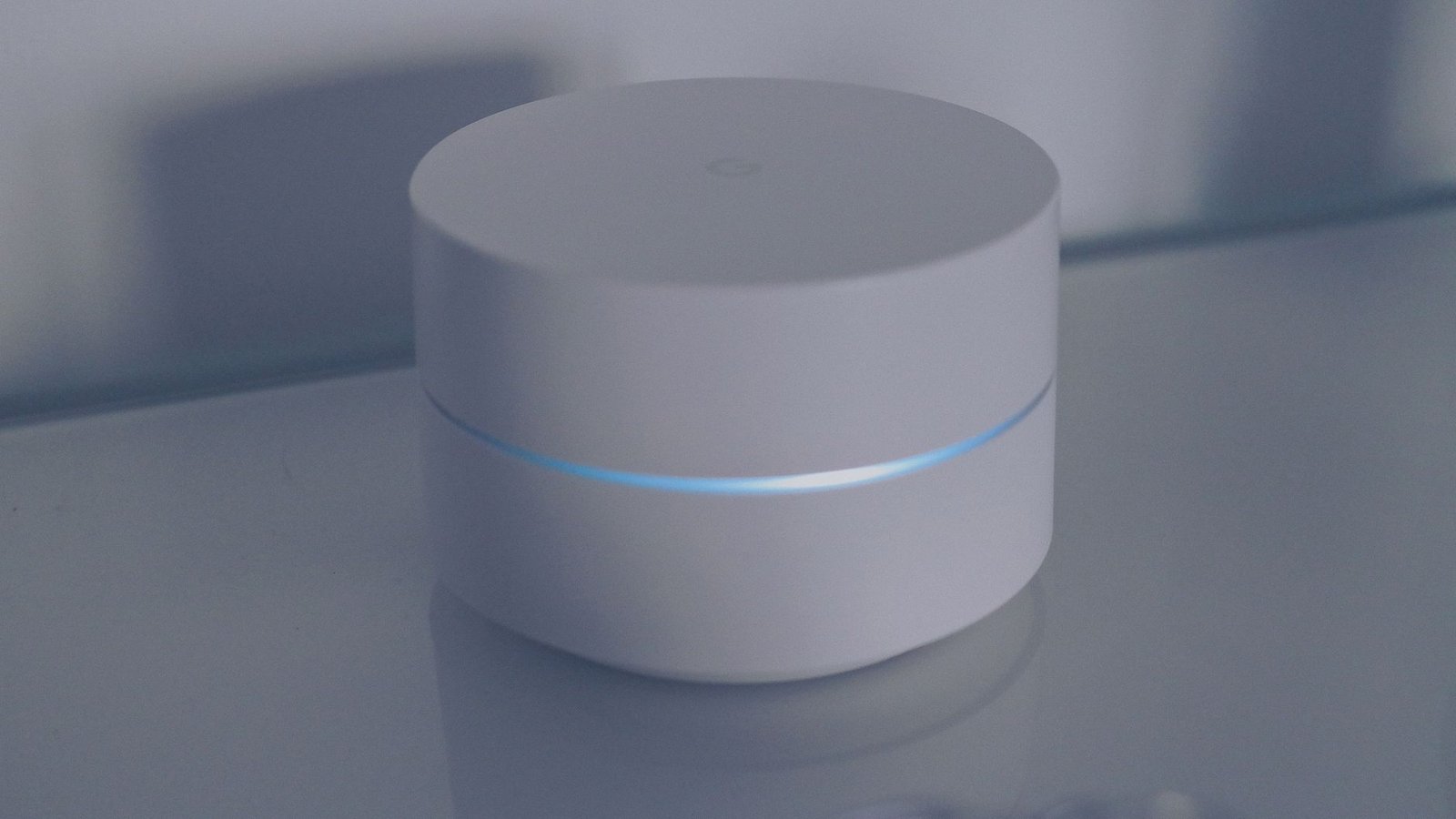
- Implement a Mesh Wi-Fi System: For larger residences or homes with complex layouts, a single router often creates coverage gaps. A mesh Wi-Fi system, comprising multiple interconnected nodes, provides seamless, whole-home coverage. These systems are designed to offer consistent signal strength across all areas, eliminating dead zones and ensuring devices maintain strong connections as a resident moves through the property. Modern mesh systems also boast sleek designs that integrate aesthetically into contemporary interiors.
- Prioritize with Quality of Service (QoS): Many advanced routers offer Quality of Service (QoS) features, allowing the homeowner to prioritize bandwidth for critical smart home devices or services. This means ensuring that security cameras always have the necessary upload speed or that video calls remain stable, even when other devices are actively streaming. Configuring QoS effectively can prevent vital services from being throttled by less critical network activity.
- Leverage Network Segmentation (VLANs): Implementing Virtual Local Area Networks (VLANs) allows for the creation of separate, isolated networks within the home. A common strategy is to segment IoT devices onto their own network, distinct from personal computers and mobile devices. This enhances security by limiting potential attack vectors and can also improve performance by isolating device-specific traffic. Many advanced routers and mesh systems now offer simplified VLAN management.
- Optimize Router Placement & Antenna Orientation: Even with cutting-edge hardware, suboptimal placement can severely impact performance. The router should be centrally located within the home, ideally in an open space, away from large metal objects, thick concrete walls, or major appliances that can cause interference. For routers with external antennas, adjusting their orientation (e.g., one vertical, one horizontal) can sometimes optimize signal propagation for specific areas of the home.
- Upgrade ISP Speed & Modem: A high-performance router can only deliver data as fast as it receives it. Ensuring the internet service provider (ISP) package offers sufficient speed, particularly for upload bandwidth demanded by security cameras and cloud backups, is crucial. Additionally, an outdated modem might be a bottleneck, even if the router is cutting-edge. Confirming the modem is compatible with the ISP’s fastest speeds, ideally supporting DOCSIS 3.1 or fiber-optic connections, is a fundamental step.
- Regular Firmware Updates & Network Monitoring: Router manufacturers frequently release firmware updates that include security patches, bug fixes, and performance enhancements. Regularly checking for and applying these updates ensures the network remains secure and operates efficiently. Furthermore, utilizing built-in network monitoring tools or third-party applications can help identify bandwidth hogs, interference sources, or potential security vulnerabilities, allowing for proactive adjustments.
Implementing a Future-Proof Smart Home Network
Designing a robust smart home network extends beyond selecting hardware; it involves strategic integration and a forward-thinking approach to domestic infrastructure.
Integration with Home Automation Hubs
A resilient Wi-Fi network serves as the bedrock for all home automation hubs. Whether leveraging Matter-enabled ecosystems or dedicated platforms for Thread, Zigbee, or Z-Wave over IP, the network’s reliability directly impacts the responsiveness of automated routines and device communication. A strong, stable connection ensures commands are executed instantly, creating a truly seamless and intelligent living environment without perceptible delays.
Considering Aesthetic and Ergonomic Placement
As domestic comfort analysts and interior designers recognize, technology should blend harmoniously with living spaces. Modern routers and mesh nodes are increasingly designed with aesthetics in mind, allowing for discreet placement that minimizes visual clutter while maximizing signal reach. Exploring innovative solutions like routing cables through integrated furniture designs or utilizing strategically placed in-wall network points can maintain a clean aesthetic without compromising performance.
Long-Term Reliability and Security
Beyond immediate performance, a future-proof network prioritizes long-term reliability and security. Utilizing strong encryption protocols like WPA3 is non-negotiable for safeguarding personal data and privacy. Regular security audits, ensuring unique and complex passwords, and keeping device firmware updated are critical practices. By meticulously implementing these strategies, the resident can establish a network prepared for evolving smart home advancements and protected against emerging cyber threats.
Ultimately, a smart home’s true intelligence and comfort are inextricably linked to the quality of its Wi-Fi network. By adopting these 2026-focused router upgrades and optimization strategies, homeowners can transform sluggish performance into a seamless, secure, and truly responsive smart living experience, ensuring their domestic environment continues to enhance daily life for years to come.