
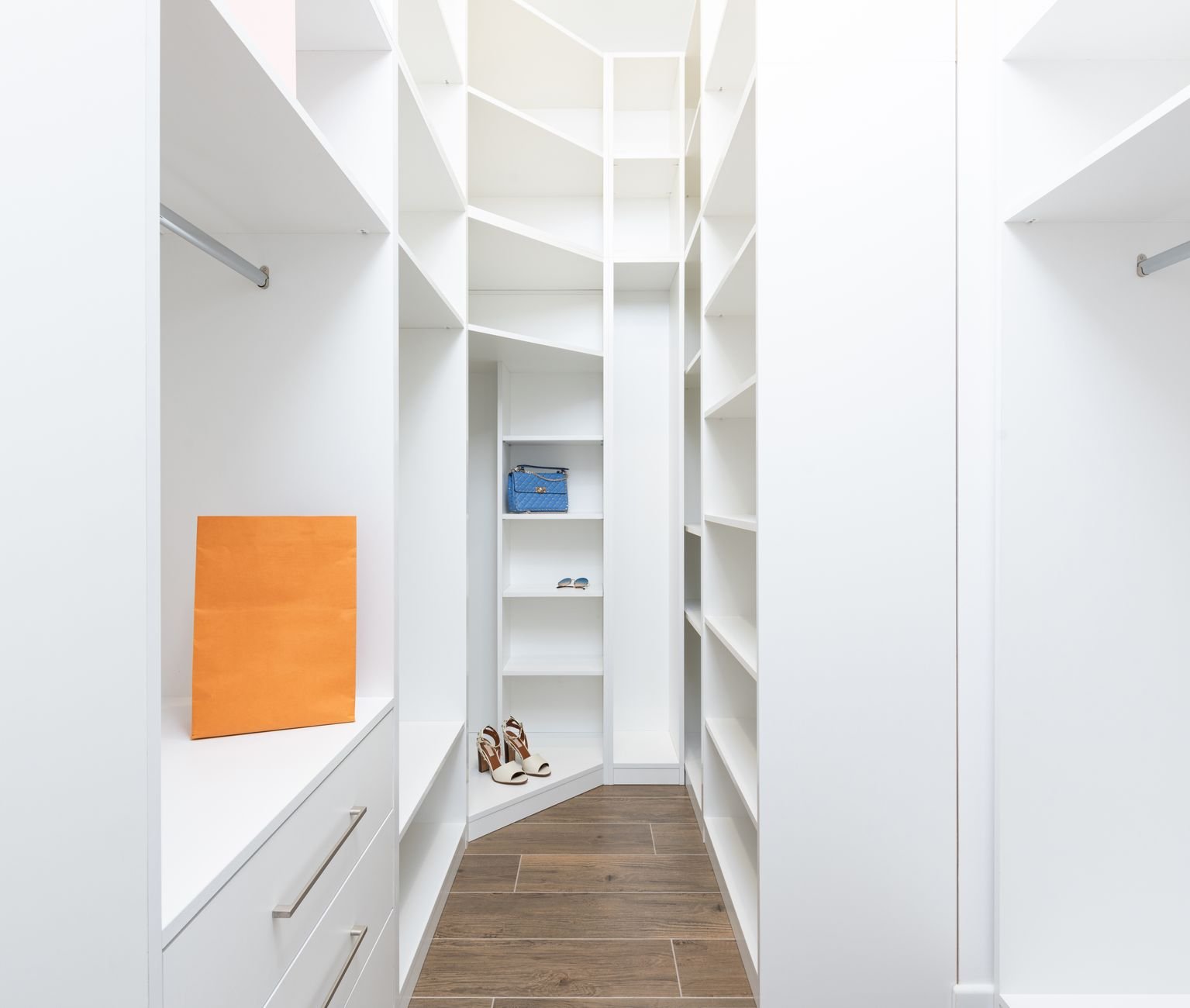
Conquering Small Closet Overwhelm in 2026
Small closet spaces often present a significant challenge for maintaining an organized and serene domestic environment. The common issue of limited storage leads to clutter and frustration for many homeowners. Fortunately, by embracing innovative design principles and leveraging modern material advancements, the resident can transform even the most compact closet into an efficient and aesthetically pleasing storage solution. This guide presents seven creative organization hacks specifically tailored for maximizing space and reducing clutter in small closets, empowering individuals to efficiently store belongings in the year 2026.
The 2026 Closet Revolution: Innovative Hacks for Compact Spaces
1. Verticality with Modular & Smart Stacking Systems
Maximizing vertical space remains a cornerstone of small closet organization, but 2026 introduces a new level of sophistication. Contemporary modular systems now feature interlocking, reconfigurable components made from sustainable, lightweight alloys and recycled bioplastics. These systems allow for highly customized shelving, drawers, and hanging solutions that can be adjusted as belongings evolve. Smart stacking units with integrated RFID tags or QR codes facilitate digital inventory management, allowing the user to quickly locate specific items without rummaging. Specialized pull-out drawers for shoes or accessories now feature gentle self-closing mechanisms and ventilation to maintain item integrity.
2. Smart Storage Doors and Wall Integration
Traditional closet doors often represent wasted potential. In 2026, innovative solutions transform these surfaces into active storage zones. Think integrated, ultra-thin shelving units or pegboard systems built directly into the inner door panels, perfect for accessories like belts, scarves, or jewelry. Sliding doors with embedded, shallow cubbies for frequently used items are also gaining traction. Furthermore, magnetic wall panels, designed to hold lightweight, custom-attachable containers or hooks, provide flexible storage that adapts to the resident’s needs. These panels often incorporate smart lighting that activates upon proximity, illuminating previously dark corners.
3. Digital Inventory & Minimalist Curation
The digital age offers powerful tools for closet management. This hack emphasizes a shift towards a curated, minimalist wardrobe supported by technology. Residents are encouraged to undertake a comprehensive inventory using dedicated closet management apps. These applications, often paired with personal scanning devices, track items, suggest outfit combinations, and even provide insights into usage patterns. By understanding what is truly worn and needed, the homeowner can make informed decisions to declutter, reducing the overall volume of items stored. The goal is to move beyond simply organizing clutter to actively reducing it, fostering a more mindful consumption approach.
4. Advanced Material-Based Solutions for Durability and Space-Saving
Material science continues to evolve, offering superior options for closet components. Ultra-thin, yet incredibly strong, hanger designs crafted from carbon fiber composites or reinforced recycled plastics are becoming standard, saving crucial inches on the hanging rod. Breathable fabric storage bins, made from moisture-wicking and anti-microbial smart textiles, protect delicate items while preventing odors. Compressed vacuum storage bags, while not new, now feature improved sealing mechanisms and integrated humidity sensors, ensuring garments remain fresh and compact for longer periods, especially for off-season items. These materials prioritize both longevity and efficient space utilization.
5. Integrated Lighting & Sensor Technology
A well-lit closet is an organized closet. Beyond basic LED strips, 2026 sees the proliferation of smart lighting systems integrated directly into closet infrastructure. Motion-activated, tunable LED lighting can illuminate specific sections as needed, eliminating dark corners and making item retrieval effortless. Embedded sensors can detect temperature and humidity levels, alerting the homeowner to conditions that might damage fabrics. Some advanced systems even incorporate UV-C light sanitization cycles for stored items, enhancing domestic hygiene and textile longevity. This technological integration transforms the closet from a mere storage unit into a dynamic, responsive environment.
6. Multi-Functional Furniture and Expandable Rods
In small spaces, every item should ideally serve multiple purposes. This hack involves introducing furniture pieces that do double duty within or adjacent to the closet. A compact ottoman with internal storage can provide seating while stowing away extra linens or accessories. Narrow rolling carts, designed to slide into unused gaps, offer flexible storage that can be moved as needed. For hanging items, expandable and retractable closet rods, often made from lightweight, high-strength aluminum, allow for dynamic adjustment of hanging space. These rods can be extended when additional capacity is required and retracted to free up space when not in use, offering unparalleled flexibility.
7. Seasonal Rotation with Smart Containers and Off-Site Storage Integration
For items that are not regularly accessed, a robust seasonal rotation system is key. This hack leverages smart, transparent storage containers that are stackable and designed for easy labeling or digital tracking. These containers, often made from durable, impact-resistant recycled clear plastics, protect items while allowing for quick visual identification. For extremely limited spaces, integration with modern off-site storage solutions, which can pick up and deliver seasonal or rarely used items on demand, is gaining popularity. This strategy significantly reduces the burden on the small primary closet, ensuring that only actively used items occupy prime real estate.
Embracing a Clutter-Free Future
Addressing small closet overwhelm in 2026 means moving beyond rudimentary tidying. It involves a thoughtful integration of advanced materials, smart technology, and strategic design principles. By implementing these seven creative organization hacks, residents can transform their compact closets into highly functional, efficient, and visually appealing spaces. The result is a more harmonious living environment, reduced stress, and the confidence that every item has its rightful, accessible place within the modern home.