
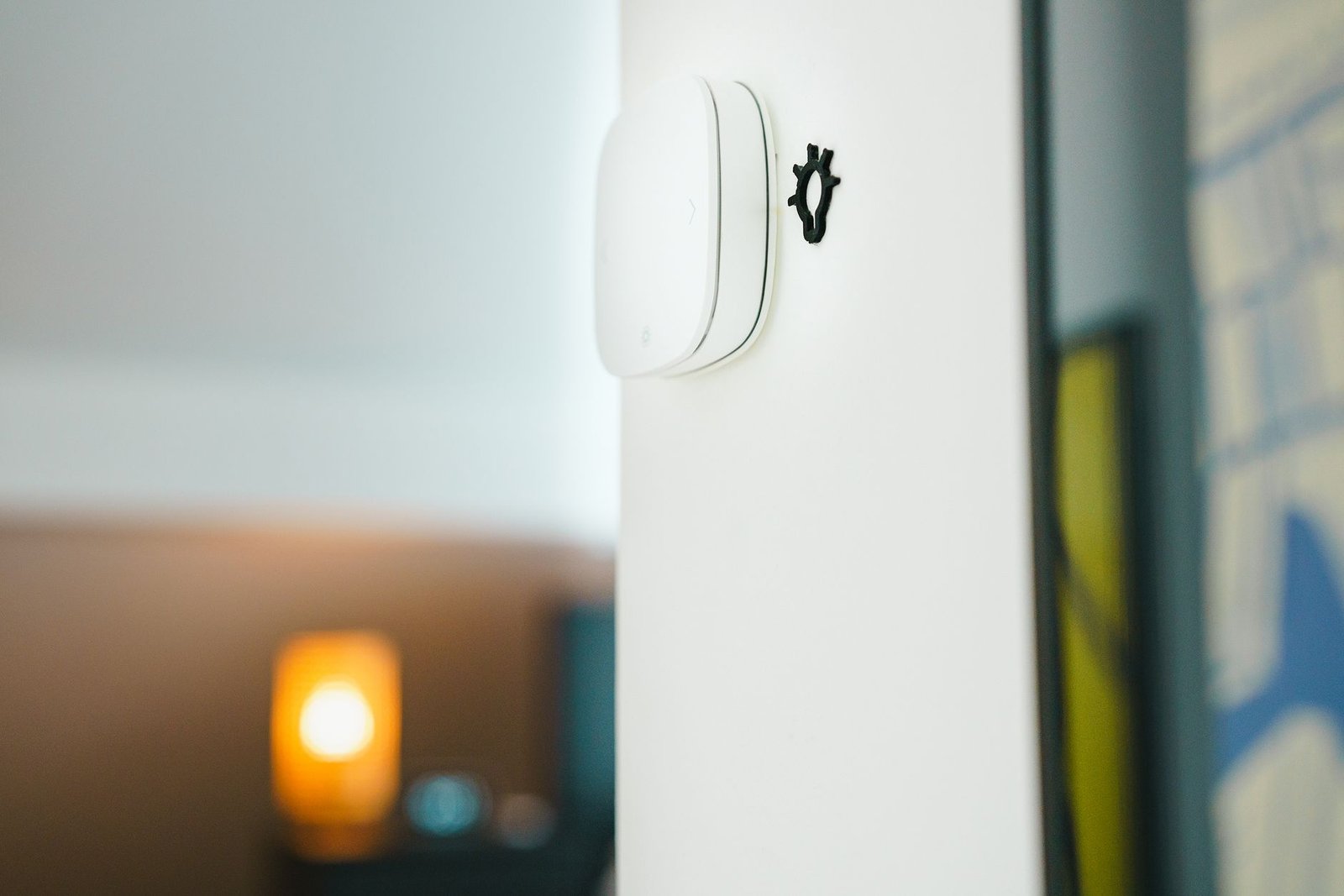
In 2026, the financial outlay for a smart home installation varies significantly, typically ranging from a few hundred dollars for a basic do-it-yourself (DIY) setup to upwards of $30,000 for a comprehensive, professionally integrated premium system. The choice between a DIY approach and professional installation fundamentally depends on the resident’s budget, technical aptitude, desired system complexity, and available time. This article provides a detailed breakdown of the expenses and effort associated with both methodologies, offering a clear perspective for homeowners considering modernizing their living spaces with advanced automation.
Understanding Smart Home Ecosystems in 2026
The landscape of smart home technology in 2026 is characterized by significant advancements in interoperability, artificial intelligence (AI) integration, and energy efficiency. The maturation of the Matter standard has greatly simplified device compatibility, allowing products from various manufacturers to communicate seamlessly. Concurrently, the proliferation of Wi-Fi 7, Thread, and Zigbee 4.0 provides robust, low-latency mesh networking, ensuring reliable whole-home coverage. Modern smart homes are not merely about convenience; they prioritize sustainability, predictive intelligence, and personalized comfort.
Core Components and Emerging Technologies
A fundamental smart home system typically includes a central hub, intelligent lighting, smart thermostats, and basic security elements. However, 2026 sees the rise of more sophisticated integrations:
- Advanced Climate Control: Beyond basic temperature, systems now manage humidity, air purification, and zone-specific microclimates, often integrating with geothermal or solar HVAC for optimal energy use.
- Comprehensive Security: High-definition cameras with AI-powered facial recognition, biometric door locks, perimeter sensors, and drone surveillance for larger properties are becoming more accessible.
- Intelligent Lighting: Adaptive lighting systems adjust color temperature and intensity based on circadian rhythms, natural light availability, and occupant activity.
- Energy Management: AI algorithms learn usage patterns to optimize consumption across appliances, HVAC, and even electric vehicle charging, often interfacing directly with utility grids for peak load management.
- Health and Wellness: Integrated air quality sensors, sleep trackers, and automated window treatments contribute to healthier indoor environments.
- Smart Landscape Integration: Automated irrigation systems, weather-adaptive outdoor lighting, and robotic lawn care are increasingly common extensions of the indoor smart home.
The focus has shifted towards proactive automation, where systems anticipate needs rather than merely reacting to commands, driven by increasingly powerful edge computing and cloud-based AI.
DIY Smart Home Installation: The Cost & Commitment
For many residents, the do-it-yourself route represents an attractive option, primarily due to its lower initial cash outlay and the satisfaction of personal involvement. However, it demands a significant investment of time, research, and a degree of technical proficiency.
Component Costs (Estimated 2026 Pricing)
The cost of hardware components in 2026 remains relatively stable, with advancements often leading to more features at similar price points rather than drastic increases.
- Basic Setup (Lights, Thermostat, Smart Speaker/Display): Expect to spend between $300 and $1,500. This typically involves Wi-Fi-enabled devices that are easy to pair and manage via a smartphone app. Brands adhering to the Matter standard offer excellent interoperability at this level.
- Mid-Tier System (Security Cameras, Smart Locks, Expanded Lighting, Energy Monitoring): A more robust DIY system could range from $1,500 to $7,000. This tier often incorporates a dedicated smart home hub for local processing, more advanced sensors, and potentially a smart irrigation system for landscape management. Sustainable material options for certain smart devices (e.g., recycled plastics, low-energy displays) are also becoming more prevalent.
- Advanced DIY (Whole-Home Automation, Complex Scenes, Advanced Sensors, Multi-room Audio): For a truly comprehensive DIY endeavor, costs can climb to $7,000 to $15,000. This involves a deeper dive into home networking, potentially integrating specialized controllers for home theater, motorized blinds, and sophisticated environmental controls. The resident would typically be responsible for all wiring, configuration, and troubleshooting.
Hidden Costs and Time Investment
While component costs are transparent, the DIY approach often carries unseen expenditures. The most significant is time – hours spent researching compatible devices, planning the layout, performing installations, and troubleshooting compatibility issues. Tools, such as wire strippers, voltage testers, and even specialized network diagnostic equipment, may be necessary. Subscription fees for cloud storage, advanced AI features (e.g., enhanced facial recognition), or extended warranties can also accumulate. The learning curve for integrating complex systems can be steep, potentially leading to suboptimal performance or security vulnerabilities if not executed correctly.
Professional Smart Home Installation: The Premium Experience
Opting for professional smart home installation alleviates the burden of technical complexities and ensures a highly integrated, reliable, and often aesthetically superior system. This approach is ideal for residents seeking a seamless, robust solution without the personal time investment.
Service Fees and Labor
The cost of professional installation encompasses more than just hardware; it includes expert design, planning, installation, programming, testing, and often ongoing support. Labor rates vary significantly by region and the complexity of the project.
- Basic System Installation (Hardware extra): For a simple setup, professional service fees might range from $1,000 to $5,000, covering setup of smart lighting, a thermostat, and a few security devices.
- Mid-Tier Integration (Hardware extra): A more involved system, including multi-room audio, advanced security cameras, and integrated climate control, could incur service fees of $5,000 to $15,000. This often includes custom programming for automated scenes and routines.
- Premium, Custom Whole-Home Integration (Hardware extra): For large residences or those desiring ultimate automation – encompassing multi-zone audio/video, sophisticated climate control, integrated landscape lighting, biometric access systems, custom AV rooms, and advanced energy management – professional fees can range from $15,000 to $50,000+. These projects often involve custom cabinetry for hidden electronics, extensive network infrastructure, and bespoke programming tailored to the homeowner’s lifestyle. Professional landscape architects might be involved to integrate outdoor smart systems seamlessly.
These figures represent the service component; the cost of the smart home hardware is added on top, though professionals often source equipment at preferred rates.
Benefits of Professional Integration
The advantages of professional installation extend beyond mere convenience:
- Seamless Integration: Experts ensure all devices, regardless of brand, work cohesively through robust network design and programming.
- Optimized Performance: Systems are calibrated for peak efficiency, particularly crucial for AI-driven energy management and climate control.
- Aesthetics: Professional installers prioritize discreet wiring and component placement, preserving the home’s interior design and architectural integrity.
- Future-Proofing: Professionals design systems with scalability and future upgrades in mind, advising on technologies like Thread and Matter to ensure longevity.
- Reliability and Support: Comprehensive warranties, ongoing maintenance agreements, and dedicated technical support minimize downtime and frustration.
- Security: Professional installers adhere to best practices for network security, protecting sensitive homeowner data and privacy.
Cost Comparison and Final Considerations
The table below summarizes the overarching cost and commitment differences between DIY and professional smart home installations in 2026.
- DIY Approach: Requires a lower upfront cash outlay for hardware (typically $300 – $15,000), but demands a high personal time investment for research, installation, and troubleshooting. The resident assumes responsibility for compatibility issues and system maintenance. While rewarding for the technically inclined, it can lead to frustration and a less integrated system if expertise is lacking.
- Professional Installation: Involves a higher total expenditure, combining hardware costs with service fees (totaling $1,300 – $65,000+). However, it offers a minimal personal time investment, a guarantee of seamless operation, expert design, and ongoing support. This option delivers a polished, reliable, and truly integrated smart home experience.
Future-Proofing and Return on Investment
Regardless of the chosen path, considering future-proofing is paramount. The widespread adoption of the Matter standard and the advancements in robust mesh networking protocols (Wi-Fi 7, Thread) mean that systems installed today are more likely to remain compatible and scalable. Investment in smart home technology, particularly systems focused on energy efficiency and security, can yield tangible returns through reduced utility bills, enhanced property value, and improved domestic comfort. Modern sustainable construction techniques are increasingly incorporating smart home infrastructure from the ground up, making retrofits easier and more efficient.
Conclusion
The decision of how much a smart home installation costs in 2026, and whether to pursue a DIY or professional route, ultimately depends on the individual resident’s priorities. For those with a keen interest in technology and sufficient time, the DIY approach offers significant cost savings and a personalized learning experience. Conversely, residents seeking a flawlessly integrated, aesthetically pleasing, and effortlessly functional smart home, backed by expert support, will find the investment in professional installation well worth the premium. Both avenues promise to enhance domestic comfort, efficiency, and security, transforming a house into an intelligent, responsive living environment tailored to modern life.