
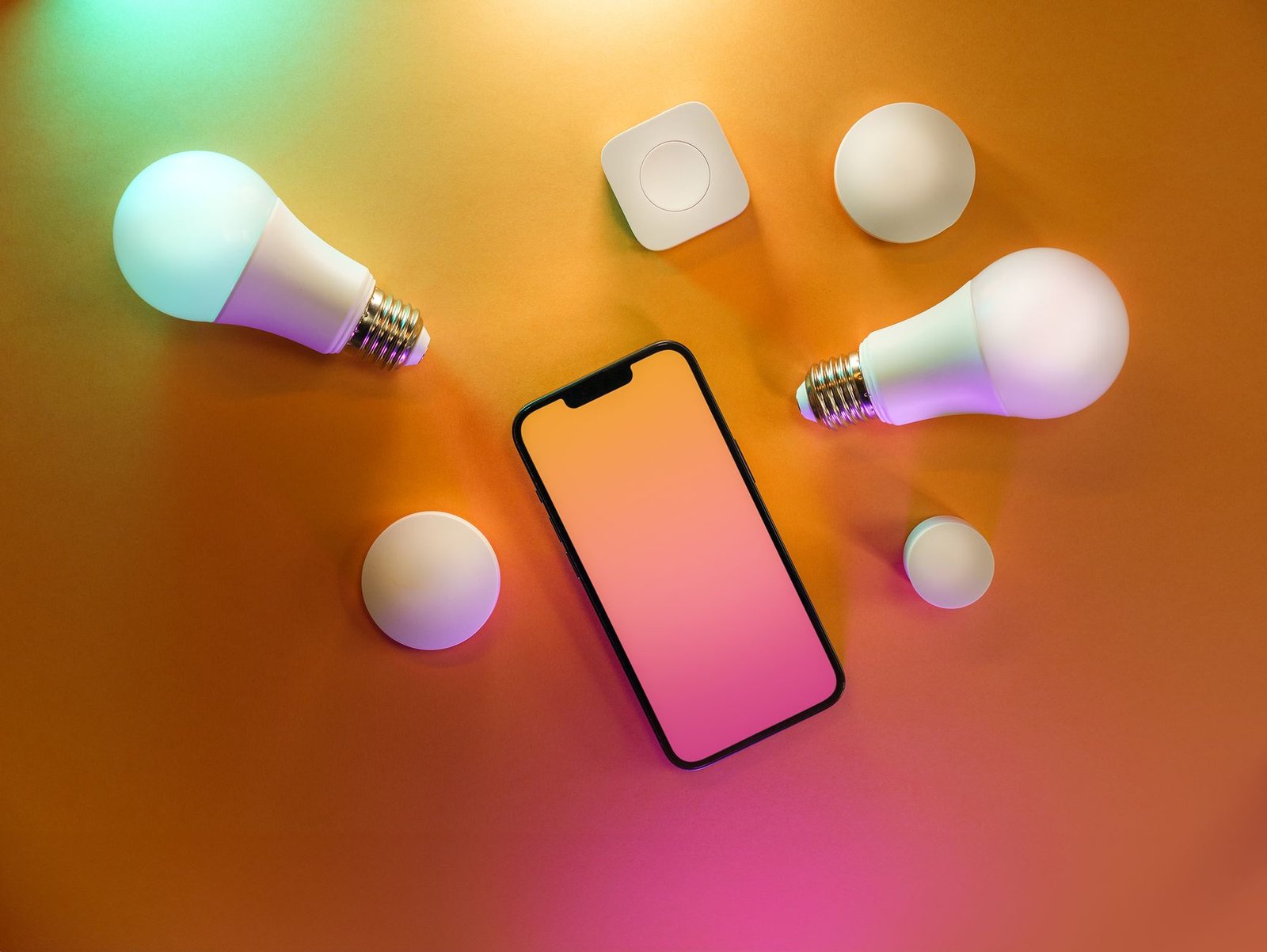
For the 2026 homeowner navigating the burgeoning smart home landscape, the choice between investing in a full smart lighting system and opting for individual smart bulbs presents a significant decision. While smart bulbs offer an accessible entry point into automated illumination, comprehensive smart lighting systems generally provide more robust control and advanced integration. The optimal selection hinges on factors such as budget, desired scalability, technical comfort, and long-term smart home aspirations, with 2026’s technological advancements further refining these considerations.
Smart Bulbs: The Accessible Entry Point for Modern Illumination
Individual smart bulbs represent the simplest method for a homeowner to introduce intelligent lighting into a residence. These devices typically replace standard bulbs, offering dimming, color changing, and remote control via a smartphone application or voice assistant. They are particularly appealing for single-room enhancements or for residents testing the waters of smart home technology.
Pros of Smart Bulbs
- Affordability: The initial investment for a few smart bulbs is significantly lower than for a complete system, making them an excellent choice for budget-conscious users or those wishing to upgrade lighting incrementally.
- Ease of Installation: Installation is straightforward; the user simply screws in the bulb, downloads an app, and connects to a Wi-Fi or Bluetooth network. No complex wiring or professional assistance is typically required.
- Flexibility and Portability: Smart bulbs are highly flexible. They can be moved between fixtures or rooms with ease, a considerable advantage for renters or individuals who frequently rearrange their living spaces. Many modern smart bulbs, utilizing Thread connectivity, offer improved responsiveness and mesh networking without a dedicated hub.
Cons of Smart Bulbs
- Scalability Limitations: As the number of smart bulbs increases, especially those relying solely on Wi-Fi, the home network can become congested, potentially leading to performance issues and slower response times. Each bulb often requires its own connection.
- Network Congestion: A multitude of Wi-Fi-connected bulbs can strain the residential network’s capacity. While Thread-enabled bulbs mitigate this by creating a mesh, many older or less expensive models still rely on Wi-Fi or point-to-point Bluetooth.
- Limited Integration: Without a central hub, individual smart bulbs may offer limited integration with broader smart home ecosystems, potentially restricting complex automation routines or unified control across diverse devices. The interoperability standard Matter, while improving cross-platform compatibility, still functions best with a central controller or border router for device coordination.
Smart Lighting Systems: Comprehensive Control and Integration
A smart lighting system involves a more integrated approach, often utilizing a central hub or controller that communicates with specialized smart light fixtures, switches, and sensors. These systems are designed for whole-home solutions, offering advanced automation and robust performance.
Pros of Smart Lighting Systems
- Centralized Control and Robustness: Systems typically operate on dedicated mesh network protocols like Zigbee, Z-Wave, or the increasingly popular Thread. This creates a stable, reliable network independent of the home’s Wi-Fi, ensuring faster response times and greater device stability, even with numerous connected lights.
- Enhanced Automation and Scenes: Comprehensive systems excel at advanced automation. They can orchestrate intricate lighting scenes, integrate with occupancy and daylight sensors for energy optimization, and synchronize with other smart home devices (e.g., blinds, thermostats) to create dynamic living environments. Geofencing capabilities can automate lighting based on a resident’s presence.
- Future-Proofing and Scalability: Designed for expansion, these systems can easily incorporate new fixtures, switches, and sensors. The widespread adoption of the Matter protocol in 2026 significantly enhances future-proofing, ensuring greater compatibility and interoperability across different brands and devices within the core system framework.
- Energy Efficiency and Sustainability: Modern smart lighting systems incorporate sophisticated power management and precise control over light output, significantly contributing to energy savings. Advanced systems often feature detailed energy usage tracking, occupancy sensors that turn off lights in empty rooms, and daylight harvesting features that adjust artificial light based on natural light availability. Many systems are integrating with grid-interactive features for peak demand response, aligning with 2026’s emphasis on sustainable energy consumption.
Cons of Smart Lighting Systems
- Higher Initial Investment: The upfront cost for a full smart lighting system, including the hub, specialized fixtures, and installation, is considerably higher than purchasing a few smart bulbs.
- Complex Installation: Installation often involves hardwired components, smart switches, and sometimes professional electrical work, particularly for new builds or extensive renovations. This can increase both cost and complexity for the homeowner.
- Vendor Lock-in Potential: While Matter aims to standardize connectivity, some proprietary features or advanced functionalities within a full system might still tie the homeowner to a specific manufacturer’s ecosystem, limiting ultimate flexibility for specific components.
Key Considerations for the 2026 Homeowner
When deciding between smart bulbs and a comprehensive smart lighting system, several factors warrant careful evaluation by the resident.
Budget and Scalability
The resident’s budget is a primary determinant. For those with a limited budget or specific, isolated lighting needs, smart bulbs offer an immediate and cost-effective solution. However, if the vision involves whole-home intelligent illumination and advanced functionality over time, the long-term value and scalability of a full system often outweigh the higher initial cost.
Technical Comfort and DIY Aptitude
The user’s comfort level with technology and willingness to engage in DIY projects is crucial. Installing smart bulbs is generally an entry-level task. Setting up and configuring a full smart lighting system, especially one involving wiring or complex network settings, may require a higher degree of technical comfort or the assistance of a professional.
Integration with Existing Smart Home Ecosystems
Consideration must be given to how new lighting solutions will integrate with any existing smart home devices or platforms (e.g., Apple Home, Google Home, Amazon Alexa, Samsung SmartThings). The widespread adoption of the Matter protocol in 2026 significantly streamlines this, making interoperability a less daunting challenge for both smart bulbs (especially Thread-enabled ones) and full systems, provided a Matter controller is present.
Energy Efficiency and Sustainability
For residents prioritizing environmental impact and long-term utility savings, the granular control and advanced automation offered by a full smart lighting system often lead to greater energy efficiency. Modern systems, particularly those using low-power Thread connectivity and integrated with advanced sensors, align well with 2026’s increasing focus on sustainable and energy-conscious living.
Making the Informed Choice for 2026
Ultimately, the decision between smart lighting systems and smart bulbs in 2026 depends on the homeowner’s specific needs and aspirations. For quick, localized upgrades, or for residents exploring smart lighting for the first time, individual smart bulbs offer a convenient and affordable entry. Their ease of installation and growing interoperability via Matter make them highly attractive for specific applications or smaller living spaces.
Conversely, for new builds, extensive renovations, or for residents seeking robust whole-home automation, superior reliability, and sophisticated control over their entire lighting environment, a dedicated smart lighting system is generally the preferred option. The advancements in mesh networking (like Thread), the maturity of the Matter protocol, and enhanced energy management features make these systems more powerful, interconnected, and future-proof than ever before, offering a truly integrated domestic comfort experience in 2026.