
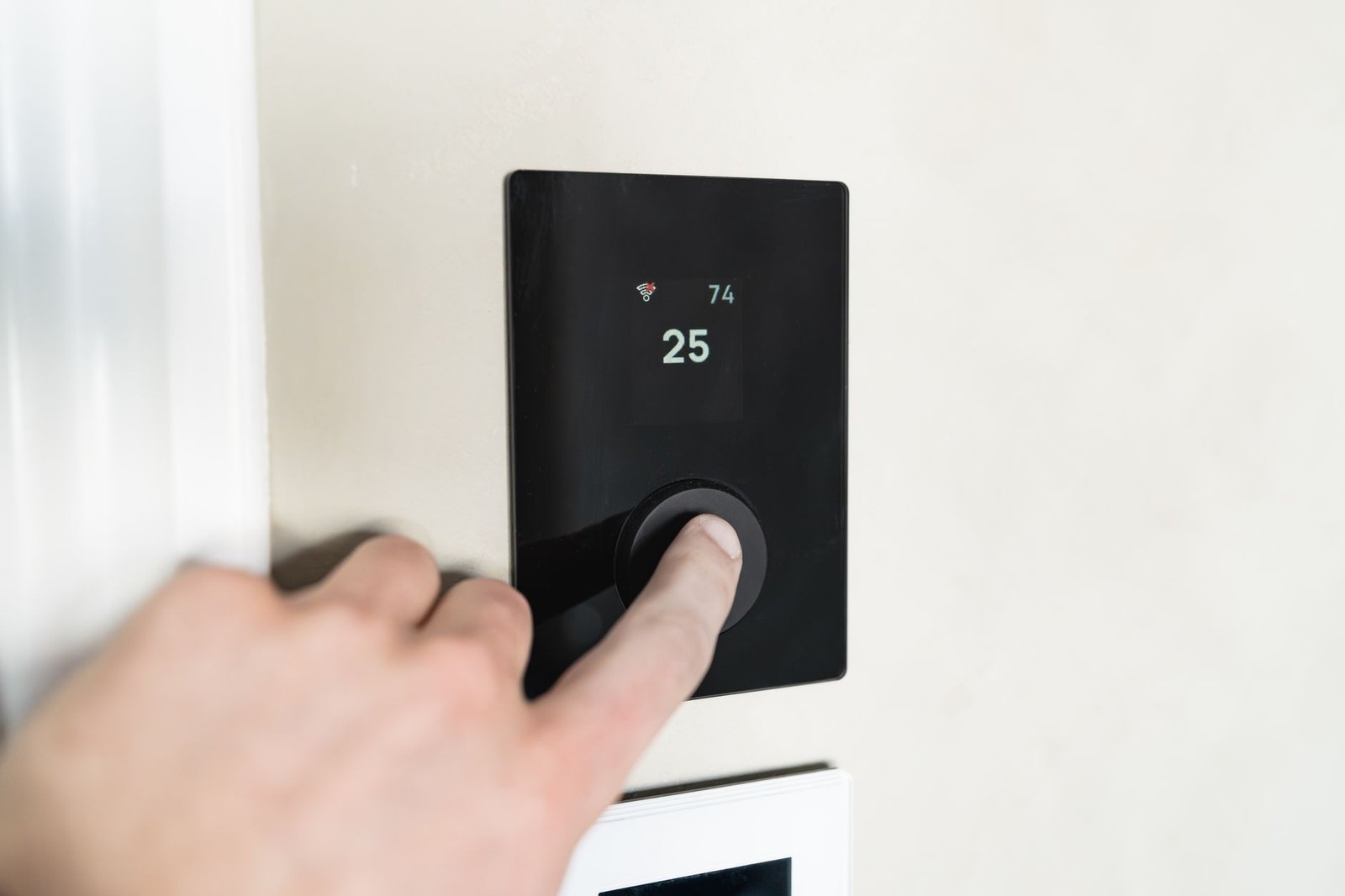
When a smart thermostat fails to deliver anticipated energy savings, it can be a source of frustration for the homeowner expecting optimized climate control. The issue often stems not from the device’s inherent capabilities, but from unoptimized or overlooked settings. In 2026, with advanced AI and deeper home integration, unlocking a smart thermostat’s full energy-saving potential requires a proactive approach to calibration. This article identifies seven critical settings that every resident should review to ensure their smart thermostat is operating at peak efficiency, maximizing comfort while minimizing utility expenses.
Understanding Smart Thermostat Potential in 2026
Smart thermostats are engineered to transcend traditional manual controls, employing sophisticated algorithms, occupancy sensing, and learning capabilities to create an energy-efficient home environment. By 2026, these devices have evolved significantly, integrating seamlessly with broader IoT ecosystems and leveraging machine learning to predict heating and cooling needs with remarkable accuracy. However, this advanced functionality also means a greater number of adjustable parameters. Failure to configure these settings appropriately can lead to energy waste, negating the very purpose of the smart device. Properties equipped with next-generation insulation or electrochromic smart windows might find their default thermostat settings suboptimal for these modern conditions, underscoring the need for tailored adjustments.
Optimizing for Energy Efficiency: Key Settings
1. Geofencing Calibration and Accuracy
Geofencing allows the smart thermostat to automatically adjust temperatures based on the resident’s proximity to the property. If energy savings are not evident, the geofencing parameters may be imprecise. Modern systems in 2026 often utilize ultra-wideband (UWB) technology or integrate with multiple user smartphones for enhanced accuracy. The homeowner should verify that all household members’ devices are linked, and that the