
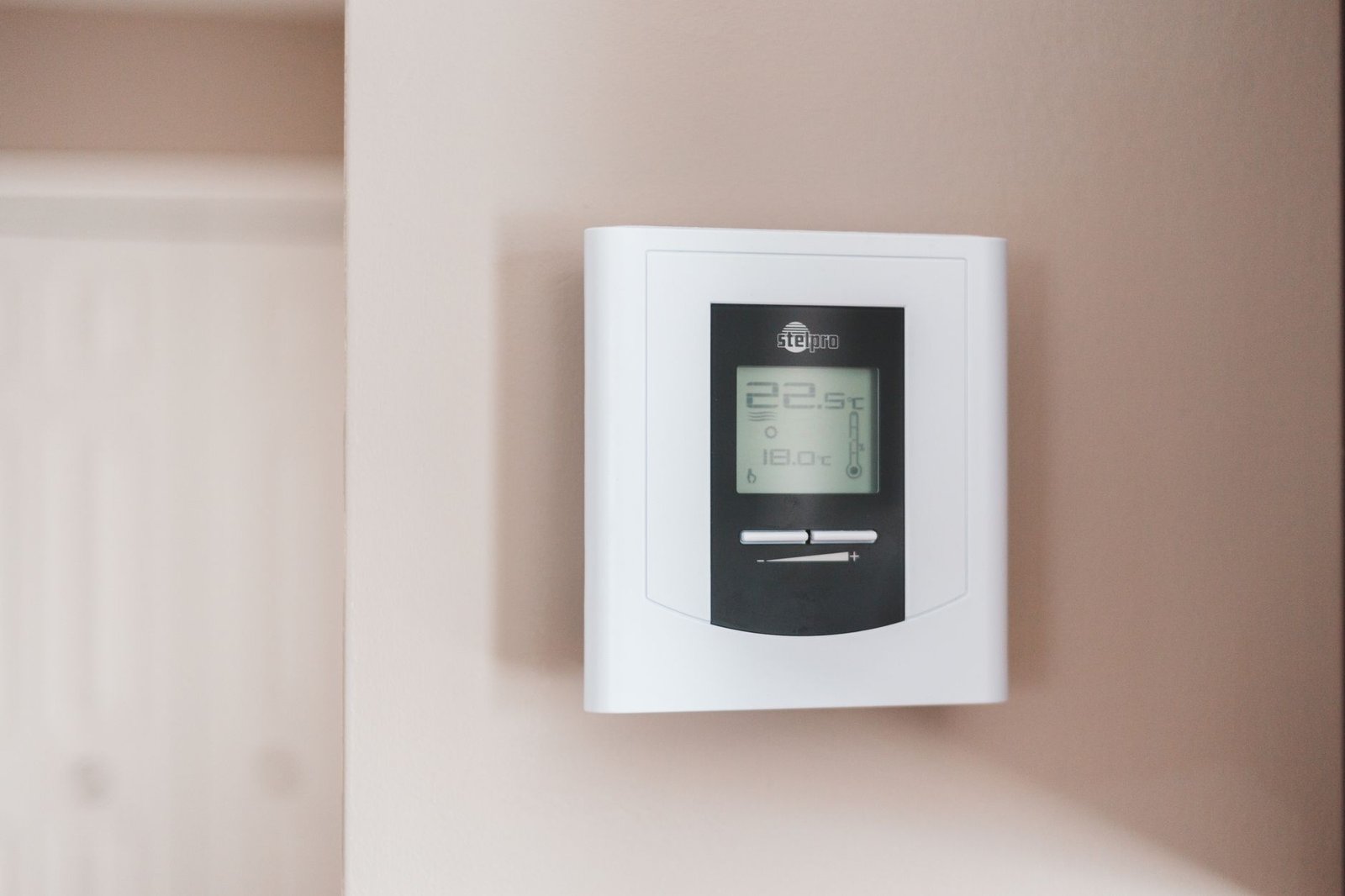
In 2026, homeowners seeking to optimize energy consumption and enhance domestic comfort are increasingly considering advanced HVAC solutions. The perennial question revolves around whether a smart thermostat or individual smart vents offer superior energy savings. The reality is nuanced: while a smart thermostat provides foundational, whole-home optimization, smart vents offer granular, zone-specific control that can lead to more significant savings in particular scenarios. The optimal choice often depends on the residence’s layout, occupancy patterns, and existing HVAC infrastructure.
Smart Thermostats: Whole-Home Optimization in 2026
Smart thermostats represent the foundational layer of intelligent climate control, acting as the central brain of an HVAC system. These devices learn occupancy patterns, integrate with local weather forecasts, and adapt temperature settings autonomously to maintain comfort while minimizing energy waste. By 2026, advancements have made these units more intuitive and powerful.
Key Features and Energy-Saving Mechanisms
- AI Predictive Analytics: Modern smart thermostats leverage sophisticated AI to predict heating and cooling needs with greater accuracy. This includes considering not only learned resident preferences and external weather but also integrating with local energy grid demand response programs to shift energy consumption to off-peak hours, further reducing costs.
- Geofencing: The system detects when a residence is vacant or when residents are returning, automatically adjusting temperatures to save energy while ensuring comfort upon arrival.
- Seamless Ecosystem Integration: Contemporary thermostats seamlessly communicate with other smart home devices, such as smart blinds (optimizing solar gain/loss), occupancy sensors, and even smart lighting to create a cohesive energy-saving environment.
- Advanced Sensor Arrays: Ultra-low power environmental sensors embedded in smart thermostats and their satellite modules now monitor a wider array of metrics, including humidity, air quality, and even localized heat signatures, providing richer data for optimized climate control.
- Sustainable Material Design: The interfaces often feature recycled composites and haptic feedback, aligning with modern consumer demands for eco-conscious product design.
Energy Saving Potential
A smart thermostat can deliver substantial savings, typically ranging from 10% to 20% on heating and cooling costs, by preventing unnecessary conditioning of an empty home and maintaining efficient schedules. Its strength lies in its macro-level control and ease of initial implementation.
Smart Vents: Precision Zoning for Modern Residences
Smart vents, conversely, offer a layer of granularity that a standalone smart thermostat cannot match. These devices are installed directly into existing ductwork and feature motorized dampers that can open or close based on individual room requirements, directing conditioned air precisely where it is needed.
Key Features and Energy-Saving Mechanisms
- True Zone Control: The primary benefit is the ability to create virtual zones within a single HVAC system. Airflow can be redirected away from unused rooms and concentrated in occupied areas, preventing over-conditioning of vacant spaces.
- Occupant Detection: By 2026, many smart vent systems integrate advanced occupant detection technologies, including millimeter-wave radar and sophisticated IR sensors, to automatically adjust airflow based on real-time presence, rather than just schedules or temperature discrepancies.
- Dynamic Pressure Management: A critical development has been the integration of sophisticated pressure-sensing algorithms within smart vent systems. These prevent issues like static pressure buildup, which can strain the HVAC fan and reduce system efficiency, ensuring optimal airflow and longevity.
- Whisper-Quiet Micro-Actuators: Modern designs utilize advanced micro-actuators that operate silently, ensuring no disruption to domestic tranquility, a significant improvement over earlier iterations.
- Modular and Retrofittable Designs: New smart vent products are designed for easier installation in existing homes, often utilizing recycled polymer composites for durability and sustainability.
Energy Saving Potential
For residences with distinct zones, varying occupancy, or significant temperature disparities between rooms (e.g., due to sun exposure or poor insulation), smart vents can lead to additional savings beyond what a smart thermostat alone can provide, potentially reaching 20-30% on top of foundational thermostat savings by eliminating wasted conditioning in unused spaces.
Synergy and Decision Factors for Optimal Energy Savings
The question of