
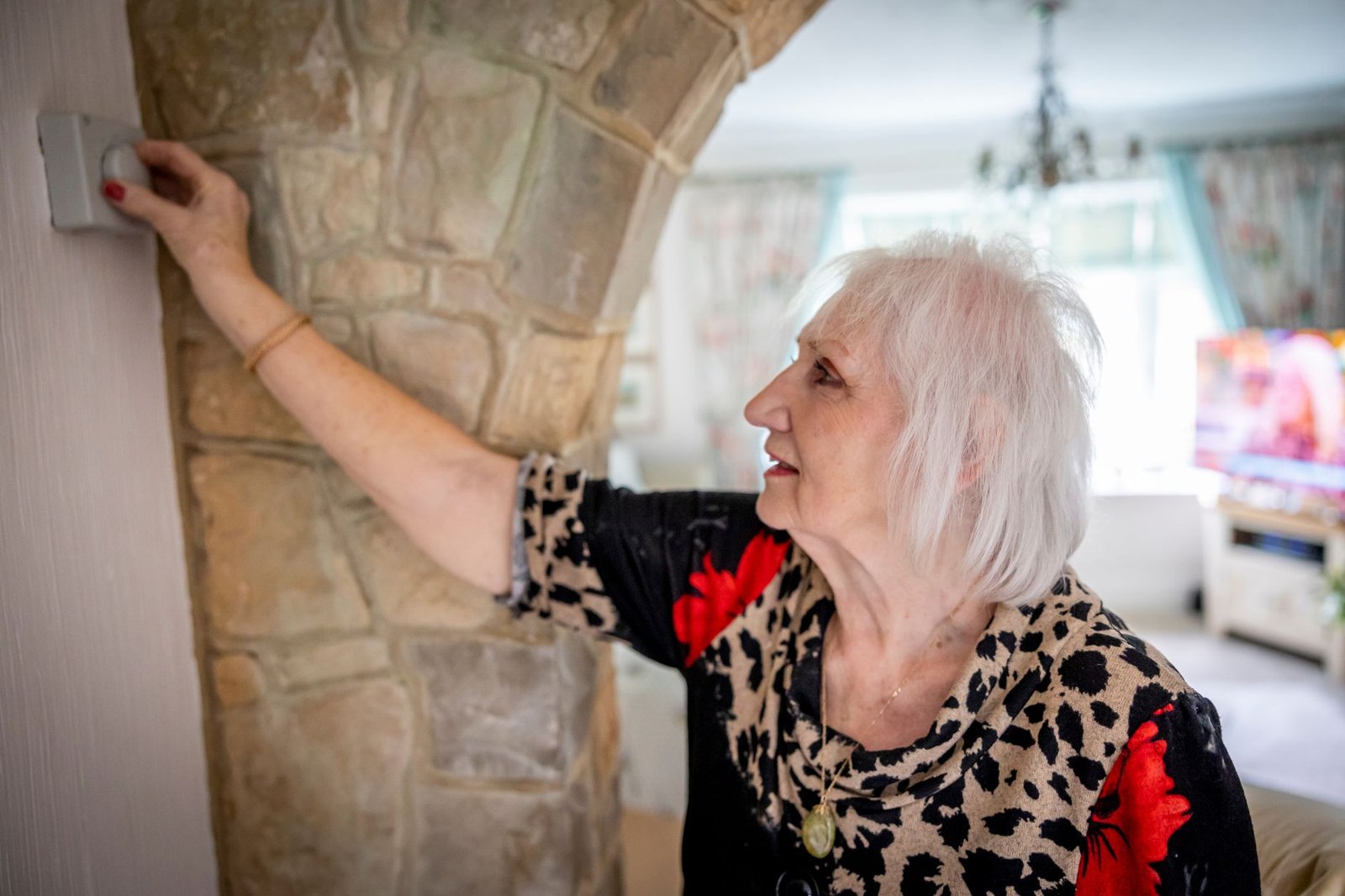
In 2026, the question of whether a smart thermostat or a traditional thermostat offers greater energy savings leans definitively towards the former. While traditional thermostats provide basic temperature regulation, smart thermostats leverage advanced technology, AI, and connectivity to optimize energy consumption significantly, leading to demonstrably greater efficiency. The ongoing evolution of smart home ecosystems and HVAC technology further solidifies the smart thermostat’s position as the superior choice for energy conservation in modern residences.
The Traditional Thermostat: Basic Control and Limitations in 2026
Traditional thermostats, whether mechanical or digital programmable models, operate on straightforward principles. Mechanical versions rely on bimetallic strips or bellows to sense temperature, while digital models utilize thermistors. These devices allow the resident to set a desired temperature, which the heating and cooling system then works to maintain. Programmable variants introduced the ability to set schedules, offering a basic level of energy management by allowing temperature setbacks during unoccupied hours or overnight.
However, by 2026, the limitations of traditional thermostats become starkly apparent when compared to their smart counterparts. They lack real-time adaptability to changing conditions, such as sudden weather shifts, household occupancy patterns, or individual zone requirements. The reliance on manual programming or static schedules means that any deviation from the routine results in either wasted energy (e.g., cooling an empty house) or discomfort (e.g., returning to a warm home that was unnecessarily conserved). Furthermore, traditional models offer no insight into energy usage, making it difficult for the homeowner to identify opportunities for further savings.
The Smart Thermostat Advantage: Intelligent Energy Optimization in 2026
Smart thermostats in 2026 are sophisticated climate management hubs, integrating advanced sensors, artificial intelligence, and seamless connectivity to maximize energy efficiency. Their capabilities extend far beyond simple temperature scheduling.
Adaptive Learning and AI Integration
Central to the smart thermostat’s energy-saving prowess is its adaptive learning capability. These devices observe the resident’s preferences and daily routines, learning the optimal times to heat or cool the home to achieve comfort efficiently. In 2026, this learning is further enhanced by advanced AI algorithms that integrate predictive analytics. Systems can now forecast local weather patterns with greater accuracy, understand the thermal inertia of the specific building (how quickly it heats or cools), and adjust operation proactively. This means the system knows to pre-cool a home before a forecasted heatwave or pre-heat it before a cold front, minimizing peak energy demand and overall consumption.
Geofencing and Occupancy Sensing
Modern smart thermostats utilize geofencing, which uses a resident’s smartphone location to determine when the home is unoccupied or when someone is returning. This enables automatic temperature adjustments, ensuring energy is not wasted on conditioning an empty house. Complementing this, advanced occupancy sensors, often using radar or sophisticated infrared technology, provide granular data on room usage, allowing for precise, zone-specific climate control. If a particular room is consistently empty, the system can reduce its conditioning without affecting occupied areas.
Remote Control and Energy Monitoring
The ability to control the thermostat remotely via a smartphone or voice assistant offers unparalleled convenience and energy-saving potential. A resident can adjust temperatures from anywhere, preventing unnecessary heating or cooling if plans change. Furthermore, smart thermostats provide detailed energy usage reports and insights, empowering the homeowner with actionable data to understand their consumption patterns and identify areas for improvement. Some models even integrate with local utility demand-response programs, automatically adjusting temperatures during peak grid demand to save energy and potentially earn incentives.
Seamless Smart Home Integration and Advanced Diagnostics
In 2026, smart thermostats are core components of a holistic smart home ecosystem. They seamlessly integrate with other devices like smart blinds (to manage solar gain), smart lighting, and even ventilation systems. New interoperability standards like Matter and Thread have significantly simplified this integration, ensuring robust and secure communication across different brands and devices. Many smart thermostats also offer advanced HVAC diagnostic capabilities, monitoring system performance, detecting potential issues early, and even predicting maintenance needs, thereby improving HVAC efficiency and longevity.
Quantifying Energy Savings: A Clear Distinction
Industry studies from early 2026 consistently show that smart thermostats deliver substantial energy savings compared to traditional programmable models. While precise figures vary based on climate, home insulation, and resident behavior, average savings often range from 10% to 20% on heating and cooling costs. Some highly optimized systems, particularly in conjunction with other smart home elements, report even higher efficiencies.
- Traditional Programmable: Offers savings primarily through scheduled setbacks. Effectiveness is limited by adherence to fixed schedules and lack of real-time adaptation.
- Smart Thermostat: Achieves savings through dynamic learning, geofencing, occupancy sensing, predictive analytics, and integration with demand-response programs. Its ability to constantly adapt to changing conditions and resident needs makes its savings far more consistent and significant.
The initial investment in a smart thermostat is typically recouped through energy bill reductions within one to two years, making them a financially sound upgrade for most homeowners.
Beyond Energy: Enhanced Comfort and Future-Proofing
While energy savings are a primary driver, smart thermostats also deliver significant enhancements in domestic comfort and convenience. The precise, adaptive control ensures a consistently comfortable environment without the need for constant manual adjustments. The ability to pre-condition a home before arrival or manage multiple zones individually caters to diverse household needs.
Furthermore, selecting a smart thermostat in 2026 is an investment in future-proofing the home. As energy grids become smarter and homes become more interconnected, these devices will play an increasingly vital role in sustainable living and efficient resource management. With ongoing software updates and evolving AI capabilities, smart thermostats are designed to become even more intelligent and efficient over their lifespan.
Conclusion: The Smart Choice for 2026 Energy Efficiency
For homeowners prioritizing energy savings, enhanced comfort, and intelligent home management, the smart thermostat is undeniably the superior choice in 2026. While traditional thermostats offer basic control, their inability to adapt dynamically to real-world conditions means they cannot compete with the sophisticated optimization capabilities of smart devices. The advancements in AI, sensor technology, and seamless smart home integration cement the smart thermostat’s role as a cornerstone of an energy-efficient, modern residence.