
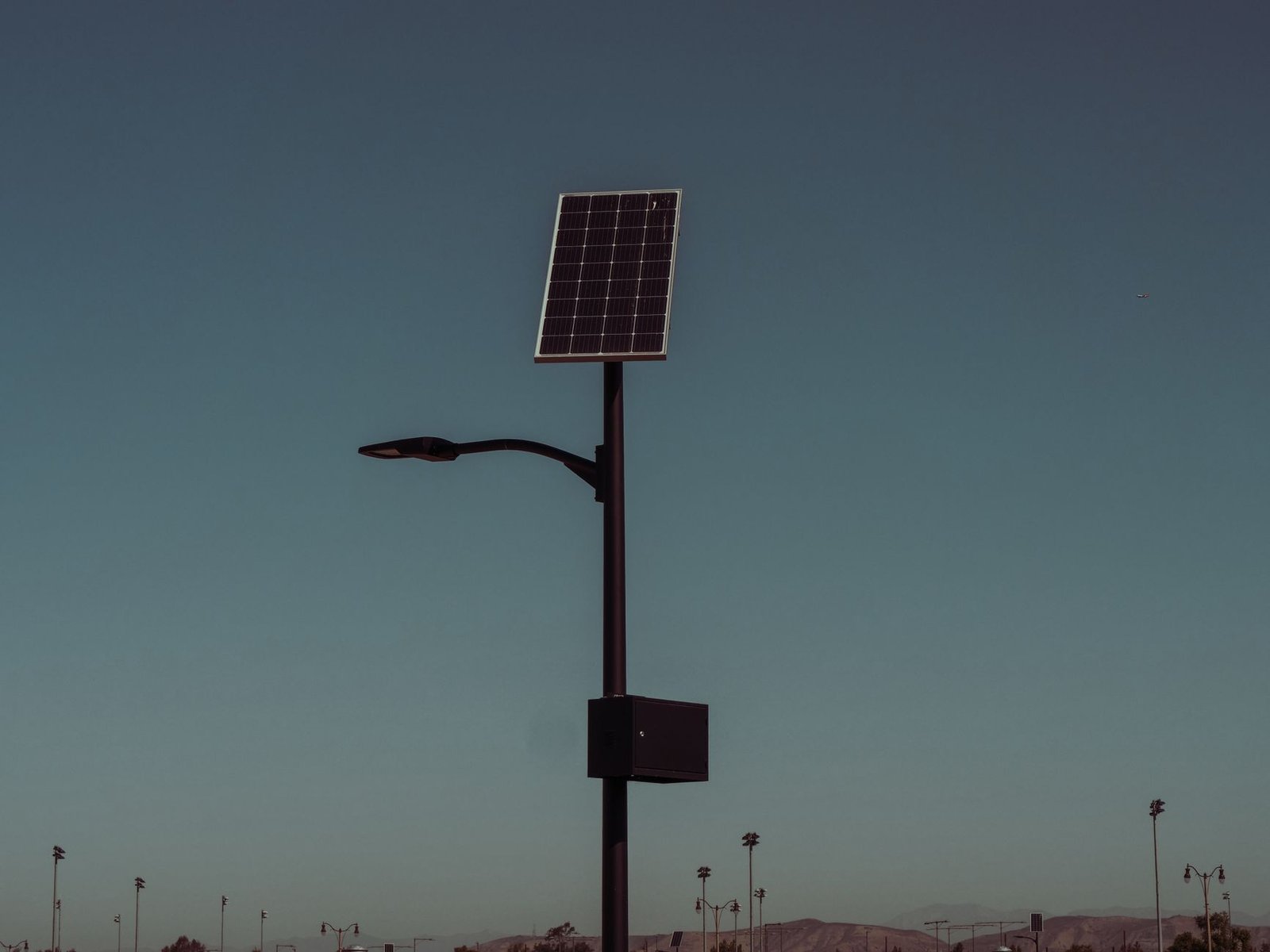
Choosing the optimal outdoor lighting system for 2026 involves a detailed evaluation of solar-powered garden lights and traditional low-voltage alternatives. The right solution for a modern landscape largely depends on the homeowner’s specific priorities regarding installation ease, ongoing costs, desired illumination quality, and long-term sustainability goals. For those prioritizing quick, flexible installation and minimal ongoing energy costs, solar options have become highly competitive, while homeowners seeking consistent, powerful, and intricately controlled illumination often find low-voltage systems to be the superior choice.
Cost Analysis and Long-Term Value
Understanding the financial implications of outdoor lighting extends beyond the initial purchase, encompassing operational expenses and component longevity.
Initial Investment
Solar garden lights typically represent a lower upfront cost per individual fixture. The absence of wiring, transformers, and the need for professional electrical installation makes them an attractive entry point for many residents. However, prices can vary significantly based on fixture quality, solar panel efficiency (e.g., monocrystalline silicon cells), and battery capacity. High-end solar fixtures, often integrating advanced LiFePO4 (LFP) batteries and smart controls, can rival the cost of mid-range low-voltage lights.
Conversely, low-voltage lighting systems usually demand a higher initial investment. This encompasses the cost of a transformer, durable cables, and a greater number of individual fixtures, which are often constructed from more robust materials such as marine-grade aluminum or solid brass. Professional installation, often recommended for optimal performance and adherence to local codes, adds to the initial outlay. For comprehensive landscape designs involving extensive runs or complex zoning, the initial expenditure can be substantial.
Operational Costs and Lifespan
One of the most compelling advantages of solar lighting is its zero energy consumption from the grid. Once installed, operational costs are virtually non-existent, aside from eventual battery replacement. Modern LFP batteries found in quality 2026 solar lights boast lifespans of 3-5 years or more, significantly outperforming older NiMH or NiCd chemistries. The longevity of the fixtures themselves is continually improving with better seals and corrosion-resistant materials.
Low-voltage lighting incurs minimal operational costs thanks to the widespread adoption of highly efficient LED technology. While these systems draw power from the grid, the consumption is negligible compared to incandescent or halogen predecessors. The primary long-term cost consideration is the initial equipment, as components like transformers and high-quality LED bulbs are designed for decades of service. Modern LED chips are rated for 50,000 hours or more, translating to over 20 years of typical evening use, making bulb replacement a rarity rather than a regular expense.
Installation Complexity and Flexibility
The ease and adaptability of installation are critical factors influencing a homeowner’s decision, especially for DIY enthusiasts.
DIY vs. Professional Setup
Solar lights are the epitome of DIY-friendly installation. They require no wiring, trenching, or electrical expertise. Fixtures are simply staked into the ground or mounted to a surface in a location receiving adequate sunlight. This allows for immense flexibility in placement and effortless relocation as landscape designs evolve or seasons change.
Low-voltage systems offer a spectrum of installation complexities. Basic kits with plug-and-play connections can be relatively straightforward for the competent DIYer, involving laying cables and connecting fixtures. However, for expansive landscapes, intricate lighting schemes, or scenarios requiring precise zoning and control, professional installation is often advisable. This ensures proper transformer sizing, optimal cable routing to prevent voltage drop, and adherence to all electrical safety standards. Trenching for burying cables, while not strictly necessary for low-voltage lines in some areas, is often preferred for aesthetics and protection.
Design Adaptability
The inherent wireless nature of solar lighting provides unparalleled design flexibility. Fixtures can be moved on a whim, allowing residents to experiment with different lighting effects without any permanent commitment. This adaptability is perfect for temporary decorations, seasonal adjustments, or evolving garden layouts.
While low-voltage lighting requires a fixed wired infrastructure, its adaptability lies in the sheer variety of fixture types and the ability to precisely aim and control individual lights. Modern low-voltage systems often incorporate smart hubs and wireless controllers, allowing for sophisticated dimming, color-changing (RGBW LEDs), and scheduling via mobile applications. This offers a level of design sophistication and dynamic scene creation that solar lights, as individual units, cannot yet match.
Performance: Brightness and Reliability
The primary function of outdoor lighting is illumination, and the quality and consistency of light are paramount.
Luminosity and Consistency
Solar lighting has made significant strides in brightness by 2026. Higher-quality fixtures now incorporate more efficient solar panels, larger battery capacities, and brighter LED arrays, moving beyond mere ambient glow to provide functional accent lighting. However, their luminosity and duration remain dependent on daily sun exposure and battery charge levels. Extended periods of cloudiness or short winter days can diminish performance, making them less reliable for critical illumination tasks or security purposes.
Low-voltage lighting offers superior and consistent luminosity. Powered directly from the home’s electrical system via a transformer, these lights provide unwavering brightness regardless of weather conditions or time of day. This makes them ideal for illuminating pathways, highlighting architectural features, providing security, and creating dramatic landscape effects where consistent, powerful light is essential. Advancements in LED technology in 2026 also mean higher Color Rendering Index (CRI) and more options for color temperature, allowing for a richer, more accurate depiction of landscape colors.
Weather Resilience and Durability
Both types of lighting have seen advancements in material science. Solar fixtures are increasingly designed with high IP ratings (Ingress Protection) and constructed from durable plastics, composite alloys, or marine-grade aluminum to withstand harsh weather. However, their operational reliability is tied to environmental factors influencing solar charging.
Low-voltage systems, once properly installed with buried cables and high-quality, sealed fixtures, offer exceptional resilience. They are less susceptible to environmental fluctuations affecting their illumination performance. Materials like solid copper, brass, and composite resins ensure resistance to corrosion and physical damage, providing a robust, long-lasting solution in diverse climates.
Energy Efficiency and Environmental Impact
As environmental consciousness grows, the energy footprint of home features becomes an increasingly important consideration.
Power Consumption
Solar garden lights are inherently the most energy-efficient option as they draw no power from the utility grid. They harness a completely renewable energy source, making them a carbon-neutral choice for outdoor illumination. The energy generated during the day is stored in their internal batteries, powering the LEDs at night.
While low-voltage LED lighting does consume grid power, its efficiency is remarkably high. Modern LED bulbs convert a significant percentage of electrical energy into light, minimizing waste heat. A typical residential low-voltage system with multiple fixtures consumes very little electricity, often less than a single incandescent bulb. However, it still contributes, albeit minimally, to the homeowner’s overall energy bill and carbon footprint if the electricity source is not renewable.
Sustainability Considerations
The environmental appeal of solar lighting is evident in its reliance on renewable energy. As battery technology improves, particularly with the rise of LFP cells, the environmental impact of battery disposal is also mitigated, given LFP’s longer lifespan and fewer toxic components compared to older chemistries. The manufacturing process of solar panels and fixtures still carries an environmental cost, but the operational phase is highly sustainable.
Low-voltage systems contribute to sustainability through their extreme longevity. The robust construction and extended lifespan of components reduce the frequency of replacement, thereby minimizing waste over time. While the manufacturing and raw material extraction for some components (e.g., metals) have an environmental cost, the overall durability contributes to a lower lifecycle impact once installed.
Maintenance and Durability in 2026
Long-term satisfaction with an outdoor lighting system is heavily influenced by its required upkeep and ability to withstand the elements.
Ongoing Care
Solar lighting requires minimal routine maintenance. This primarily involves ensuring the solar panel surfaces are kept clean and free of debris (leaves, dust, snow) to maximize charging efficiency. Battery replacement, though less frequent with 2026’s LFP technology, will eventually be necessary, typically every 3 to 5 years depending on usage and climate. Fixture housing should be inspected periodically for water ingress or damage.
Low-voltage lighting is largely set-it-and-forget-it once installed. Modern LED bulbs are designed to last for decades, virtually eliminating the need for frequent bulb replacement. Maintenance usually involves occasional checks of wire connections, ensuring transformers are operating correctly, and cleaning fixture lenses to maintain optimal light output. If buried, cables are generally maintenance-free. Advanced 2026 systems may even include smart sensors that can alert a resident to power fluctuations or fixture malfunctions, enabling predictive maintenance.
Material Advancements
Both categories of lighting have benefited from significant advancements in material science. For solar lights, improved composite plastics and powder-coated aluminum alloys enhance resistance to UV degradation, corrosion, and extreme temperatures. Better sealing technologies (e.g., ultrasonic welding, advanced gaskets) prevent moisture ingress, crucial for the integrated electronics.
For low-voltage systems, the trend continues towards marine-grade aluminum, solid brass, and copper, which offer exceptional durability and patinate beautifully over time. High-quality tempered glass lenses resist impact and thermal shock. Cable insulation has also seen improvements, offering greater resistance to rodent damage, UV exposure, and ground acidity, ensuring long-term integrity of the electrical pathways.
Making the Informed Choice for Modern Landscaping
Selecting between solar garden lights and low-voltage lighting in 2026 boils down to a homeowner’s specific needs, budget, and aesthetic aspirations. For residents prioritizing ease of installation, extreme flexibility, and a completely off-grid energy solution for ambient or accent lighting, solar lights, especially those with advanced LFP batteries and efficient panels, present an excellent, sustainable option. They are ideal for areas where wiring is impractical or unwanted, offering quick setup and zero recurring energy costs.
Conversely, for the homeowner seeking robust, consistent, and powerful illumination for security, task lighting, or dramatic landscape effects, low-voltage lighting systems remain the gold standard. Their superior brightness, unwavering performance regardless of weather, and advanced control capabilities (dimming, color change, smart scheduling) allow for intricate and impactful lighting designs that elevate the overall aesthetic and functionality of a property. While the initial investment and potential for professional installation are higher, the long-term reliability and precise control often justify the expenditure.
Ultimately, a hybrid approach can also be considered, integrating the strengths of both systems. Solar lights might illuminate remote garden beds or temporary features, while a more permanent low-voltage system handles core pathway illumination, architectural highlights, and security zones. By carefully weighing the factors of cost, installation, performance, energy efficiency, and maintenance against individual landscape goals, residents can confidently select the lighting solution that best enhances their outdoor living experience for years to come.