
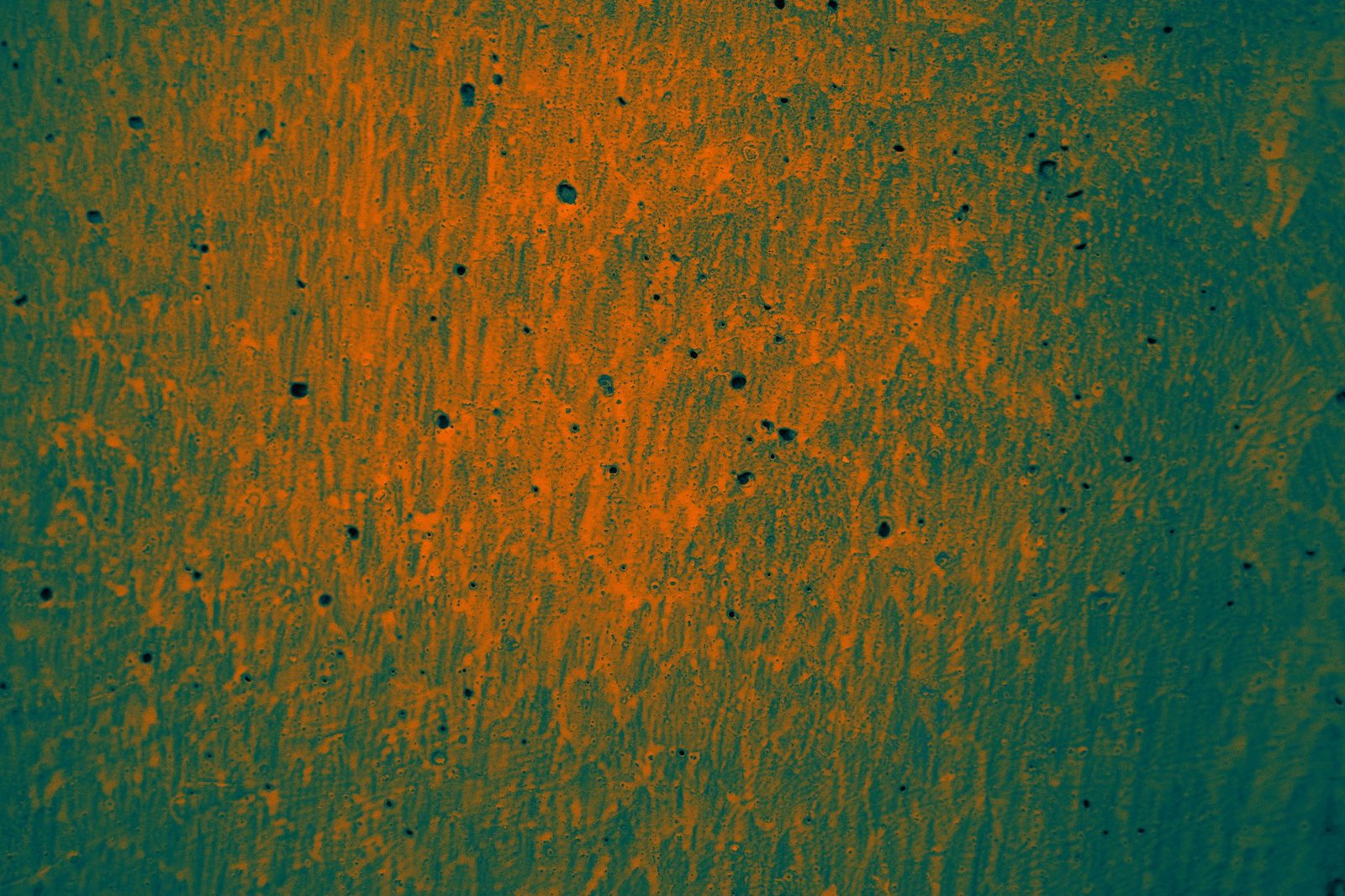
In 2026, both textured paint and wallpaper present compelling options for adding distinct character to interior walls. The choice between these popular finishes ultimately hinges on the specific aesthetic goals of a space, desired tactile experience, and long-term maintenance preferences. While textured paint offers a sophisticated, subtle depth, wallpaper provides expansive artistic potential through intricate patterns and vast murals, making each a unique contender in enhancing the personality of a modern living environment.
Textured Paint: The Modern Tactile Canvas
Textured paint, in its 2026 iteration, extends far beyond simple stucco effects. Innovations in paint technology have introduced highly sophisticated finishes that mimic natural elements like concrete, plaster, suede, and even subtle metallic sheens. These advanced formulations allow for a nuanced interplay of light and shadow, creating a dynamic surface that feels both contemporary and timeless.
Pros of Textured Paint in 2026
- Subtle Depth and Warmth: Modern textured paints, such as advanced limewash and Venetian plaster alternatives, provide a rich, organic depth that standard flat paints cannot replicate. This creates a cozy and inviting atmosphere.
- Durability and Repairability: Many 2026 textured paints are formulated for enhanced durability, offering resilience against minor scuffs and abrasions. Unlike wallpaper, small areas can often be seamlessly patched and repainted, making touch-ups simpler for the resident.
- Versatility in Application: Textured paints offer significant flexibility in design. They can be applied to create a variety of finishes, from rugged industrial looks to soft, brushed textures, accommodating diverse interior styles.
- Cost-Effectiveness: Generally, textured paint presents a more budget-friendly option compared to premium wallpapers, especially when considering both material and application costs. Bio-based and low-VOC options are also increasingly accessible.
- Wellness-Focused Formulas: The market in 2026 sees a strong emphasis on health and sustainability. Many textured paints are now available in VOC-free, odor-reducing, and even air-purifying formulations, contributing to improved indoor air quality.
Cons of Textured Paint
- Application Skill: Achieving a consistent, high-quality textured finish often requires specialized skills and tools. Amateur application can result in uneven or undesirable textures, necessitating professional assistance.
- Limited Pattern Variety: While offering rich textures, paint inherently provides less opportunity for intricate patterns, pictorial designs, or repeating motifs compared to wallpaper.
- Removal Challenge: Removing textured paint, especially heavily applied variations, can be a laborious process, often requiring sanding or chemical stripping before a new finish can be applied.
- Potential for Dust Accumulation: Certain highly textured surfaces can potentially accumulate dust more readily than smooth walls, requiring more diligent cleaning.
Installation and Durability of Textured Paint
Installation typically involves proper wall preparation, priming, and then the application of the textured product using specialized rollers, brushes, or trowels. Drying times can vary depending on the product’s thickness and composition. In terms of durability, modern formulations offer significant longevity. Manufacturers in 2026 are focusing on paints that resist chipping, cracking, and fading, ensuring the aesthetic integrity of the finish for many years. Regular gentle cleaning is usually sufficient for maintenance.
Aesthetic Impact and 2026 Trends
Textured paint contributes to a sophisticated, minimalist, or organically inspired aesthetic. Current trends in 2026 lean towards subtle, earthy textures like warm terracotta, muted limewash, and soft concrete effects, aligning with the