
Excessive indoor sunlight can transform a comfortable dwelling into an uncomfortably hot space, creating glare and driving up cooling costs, all while the resident still desires ample natural illumination. Fortunately, in 2026, a range of innovative solutions exists to effectively block unwanted heat without sacrificing precious natural light, thereby enhancing domestic comfort and energy efficiency. This article details seven smart ways homeowners can achieve this delicate balance, incorporating the latest in design and technology.
Understanding the Challenge: Balancing Light and Comfort
Natural light is a cornerstone of healthy, vibrant living spaces. It boosts mood, improves productivity, and connects occupants with the outdoors. However, the benefits of natural light can quickly turn into drawbacks when excessive solar gain leads to overheating, uncomfortable glare, and potential UV damage to furnishings. The modern homeowner seeks a sophisticated approach: methods that filter out the adverse effects of the sun’s energy while still welcoming its illuminating presence. Achieving this balance involves understanding both architectural principles and cutting-edge material science.
The Dual Benefit of Natural Light and Thermal Comfort
The pursuit of an optimal indoor environment is intrinsically linked to light and temperature. Abundant natural light reduces the need for artificial lighting during daylight hours, contributing to energy savings. Simultaneously, managing solar heat gain is crucial for maintaining comfortable indoor temperatures and reducing the load on air conditioning systems. The challenge lies in integrating solutions that address both aspects harmoniously, ensuring a space remains bright and inviting without becoming a solar oven during warmer months.
Advanced Solutions for 2026: Blocking Heat, Preserving Light
1. Innovative Window Treatments
Beyond traditional blinds and curtains, 2026 offers highly evolved window treatments. Smart blinds and shades, integrated with home automation systems, can automatically adjust their position based on the sun’s path, time of day, or indoor temperature sensors. Materials include advanced honeycomb blinds with superior thermal insulation properties and sheer weaves designed to diffuse light evenly while reflecting a significant portion of solar heat. Layered draperies, particularly those in light-colored, reflective fabrics with integrated thermal liners, provide excellent heat blocking while allowing the resident to adjust for desired light levels. Architectural elements such as light shelves, either exterior or interior, are increasingly popular for their ability to redirect sunlight deeper into a room’s ceiling while simultaneously shading the lower window area, preventing direct glare and heat gain.
2. Exterior Shading Strategies
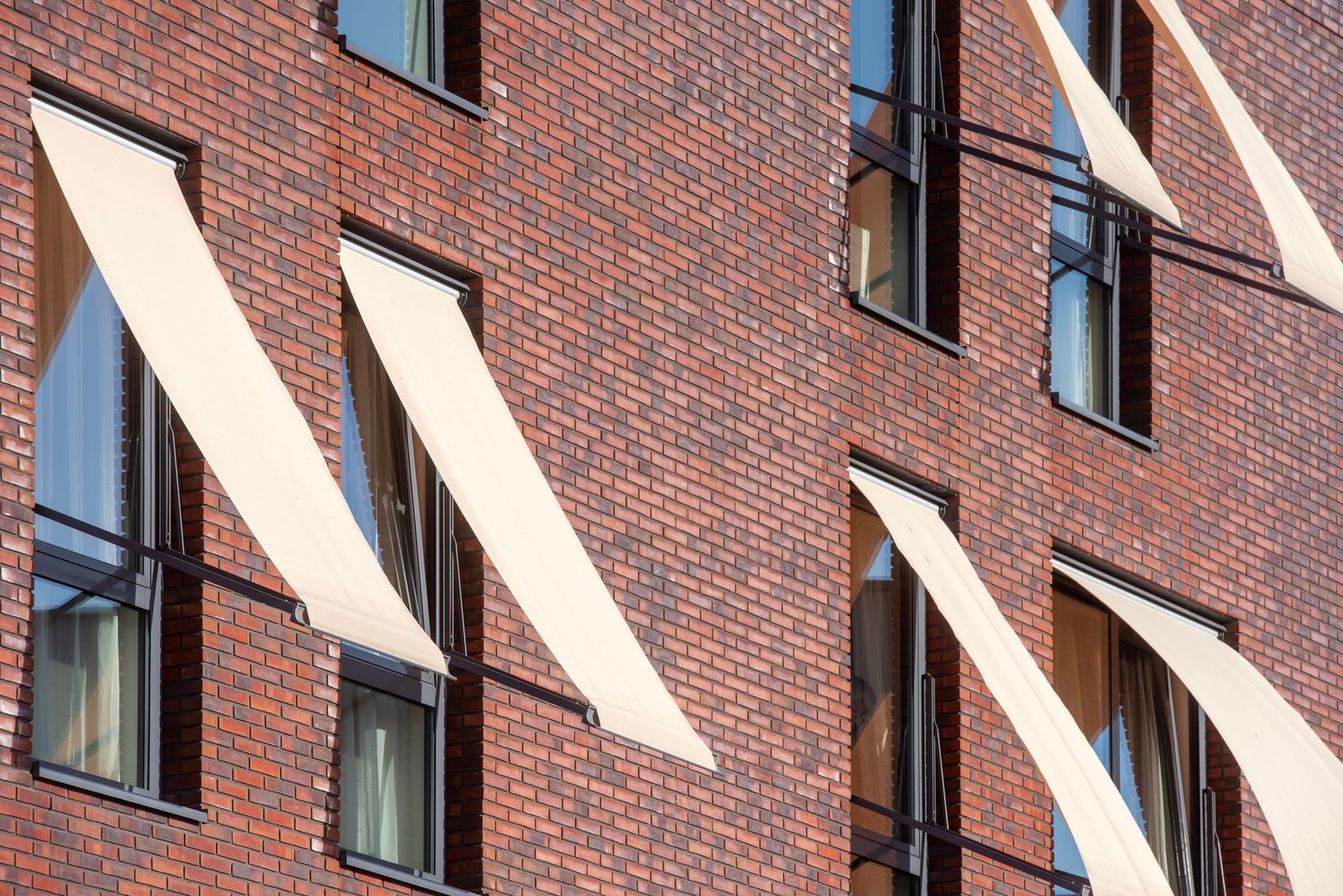
Blocking the sun before it even reaches the window is often the most effective approach. Retractable awnings and permanent architectural overhangs remain a timeless solution, now available in materials like durable, perforated metal or high-performance fabrics with advanced UV protection and heat-reflecting properties. Modern louvered systems, including adjustable pergolas and exterior shutters, can be automated to track the sun’s movement, providing dynamic shading throughout the day. For properties with specific sun exposure, particularly on east and west facades, vertical sunscreens or brise-soleil designs offer architectural elegance alongside practical heat reduction, effectively cutting off low-angle sun.
3. Smart Glass Technologies
The forefront of window innovation for 2026 includes various forms of smart glass. Electrochromic glass allows the resident to adjust the tint and opacity of the window with a simple switch or through an automated smart home system, responding to light sensors or programmed schedules. Newer developments feature thermochromic glass, which automatically darkens when heated by sunlight, and photochromic glass, which reacts to UV light. These technologies offer unparalleled control over light, glare, and heat, maintaining clear views when desired and instant privacy or shading when needed. Advances in this sector include improved clarity, faster transition times, and more cost-effective integration into standard residential window frames.
4. Strategic Landscaping
Nature itself provides an effective, aesthetically pleasing solution. Strategically planted deciduous trees on the south and west sides of a property offer dense shade during the hot summer months, then shed their leaves in winter to allow beneficial solar gain when needed. Climbing vines on trellises or green walls against sunny facades create a living barrier, absorbing solar radiation and providing natural insulation. These biophilic elements not only reduce heat but also enhance the property’s curb appeal and contribute to local biodiversity.
5. Reflective and Insulating Films
For existing windows, high-performance window films offer a cost-effective retrofit. Spectrally selective films are engineered to block infrared (heat) and ultraviolet (UV) radiation while allowing a high percentage of visible light to pass through. Nano-ceramic films represent a modern development, offering superior durability, non-metallic construction (avoiding signal interference), and excellent heat rejection with high optical clarity. Additionally, certain low-emissivity (Low-E) coatings can be applied to existing glass surfaces, or are factory-integrated into new windows, reflecting heat back to its source—keeping interiors cooler in summer and warmer in winter. Modern film solutions are also becoming more DIY-friendly, with enhanced longevity and improved aesthetic integration.
6. Advanced Ventilation and Airflow
Beyond physically blocking the sun, managing interior air movement is crucial for comfort. Optimizing cross-ventilation through strategic window and door placement allows for natural cooling. Whole-house fans can efficiently exhaust hot air from the attic and living spaces, drawing in cooler outdoor air during evening hours. For properties requiring more controlled air exchange, Heat Recovery Ventilators (HRVs) and Energy Recovery Ventilators (ERVs) ensure continuous fresh air without significant energy loss, recovering thermal energy from outgoing air to precondition incoming air. Integrated ceiling fans further enhance comfort by creating a cooling breeze, reducing reliance on air conditioning.
7. Interior Material Choices
The interior surfaces of a dwelling also play a role in thermal comfort. Utilizing light-colored paints and finishes on walls and ceilings helps reflect light and heat, preventing surfaces from absorbing and radiating warmth. While materials with high thermal mass (like concrete or stone flooring) can absorb heat during the day, this strategy requires careful consideration in hot climates to ensure the heat is released effectively at night. Strategically placed reflective surfaces can help bounce light deeper into a room, but their use should be balanced to avoid unwanted glare. Prioritizing materials with low VOCs and good thermal properties contributes to a healthier and more comfortable indoor environment.
Conclusion: Achieving Optimal Indoor Climates
For the homeowner in 2026, the challenge of excessive indoor sun and heat no longer demands a compromise on natural light. By adopting an integrated approach, utilizing solutions from innovative window treatments and exterior shading to smart glass and strategic landscaping, it is entirely possible to create a living space that is bright, comfortable, energy-efficient, and visually appealing. Each property presents unique considerations, and a tailored combination of these modern methods will deliver the ideal balance, transforming sun-drenched rooms into havens of domestic comfort and sustainable living.