
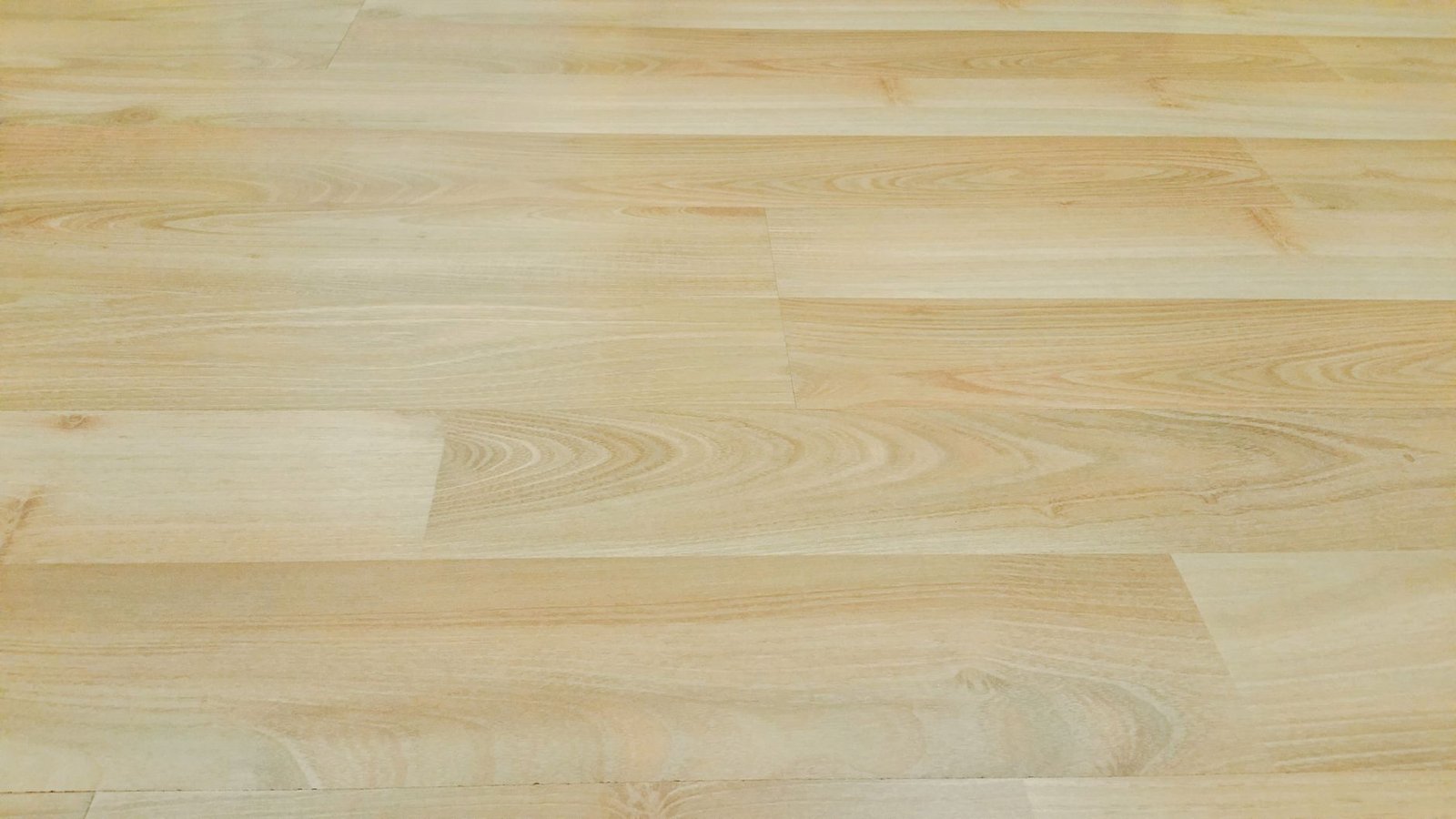
When selecting flooring, the question of vinyl plank versus hardwood remains a pivotal consideration for homeowners in 2026, especially concerning long-term durability. In the current year, both options present compelling arguments for robust, attractive surfaces, with the definitive ‘best’ choice largely contingent on the specific priorities of the resident, including budget, lifestyle demands, and aesthetic goals. Modern material science and evolving design trends have significantly enhanced the performance and appeal of both flooring types, making the decision more nuanced than ever before.
The Evolving Landscape of Flooring in 2026
Hardwood Flooring: Timeless Elegance with Modern Advancements
Hardwood flooring continues its reign as a benchmark for natural beauty and warmth, its intrinsic value often appreciating with the property. In 2026, the market reflects a strong emphasis on sustainability, with ethically sourced options, particularly FSC-certified hardwoods, gaining prominence. Advancements in engineered hardwood construction provide enhanced stability against environmental fluctuations, offering multi-ply cores that resist warping and gapping better than traditional solid planks. Surface finishes have also seen significant innovations; UV-cured urethane and ceramic-enhanced coatings deliver improved scratch and abrasion resistance, protecting the wood’s natural allure. The inherent durability of hardwood is often measured by its ability to be refinished multiple times over several decades, allowing it to adapt to changing aesthetics or repair significant wear, thus offering a truly long-lasting investment for the home.
Vinyl Plank Flooring: Innovation and Practicality Reign Supreme
The vinyl plank flooring sector, particularly Luxury Vinyl Plank (LVP) and rigid core options like Stone Plastic Composite (SPC) and Wood Plastic Composite (WPC), has revolutionized expectations for resilient flooring. By 2026, these products boast unparalleled realism, achieved through advanced digital printing and embossed-in-register (EIR) technology that replicates the texture and grain of natural wood or stone with remarkable accuracy. The key to their practical durability lies in their construction: 100% waterproof cores are now standard for many premium lines, preventing moisture damage in areas historically challenging for wood. Robust wear layers, often exceeding 20 mil in thickness, provide exceptional resistance to scratches, dents, and stains, making vinyl plank an ideal solution for high-traffic zones, homes with pets and children, or moisture-prone environments like kitchens, bathrooms, and basements. Integrated underlayments further enhance comfort underfoot and provide sound dampening qualities, positioning vinyl plank as a highly functional and aesthetically versatile choice.
Direct Comparison: Durability, Cost, and Style
Durability: A Head-to-Head Analysis
- Hardwood Durability: Offers exceptional longevity due to its natural density, capable of withstanding heavy foot traffic. However, it remains susceptible to scratches from abrasive particles, dents from dropped objects, and significant damage from prolonged moisture exposure. Its primary long-term durability advantage lies in its capacity for periodic refinishing, which can restore its appearance and extend its lifespan for generations.
- Vinyl Plank Durability: Excels in resistance to daily wear and tear. The robust wear layer effectively repels scratches, scuffs, and stains, while its rigid core structure resists denting. Critically, many vinyl plank options are completely waterproof, offering superior performance in humid environments or areas prone to spills, eliminating concerns about warping, buckling, or rot. While vinyl plank cannot be refinished, individual damaged planks can often be replaced, maintaining the floor’s integrity.
The choice between these two regarding durability often hinges on the specific demands of the household. For environments with high moisture risk or active families with pets, vinyl plank presents a compelling, low-maintenance solution. For those prioritizing a material that can be renewed and repaired over time, hardwood’s refinishing capabilities offer unmatched long-term resilience.
Cost Implications: Initial Investment vs. Long-Term Value
- Hardwood Cost: Typically entails a higher initial material cost per square foot, and professional installation is often necessary, adding to the overall expense. While subsequent refinishing costs may arise every 10 to 15 years, hardwood significantly enhances property value and offers excellent long-term return on investment, often seen as a premium feature by prospective buyers.
- Vinyl Plank Cost: Generally presents a more budget-friendly initial material cost. Many click-lock systems are designed for simpler installation, potentially reducing labor costs if homeowners choose a DIY approach. While vinyl plank does not offer the same resale value uplift as hardwood, its durability and low maintenance contribute to its overall value proposition, especially for areas where its waterproof properties are a significant advantage.
When evaluating cost, homeowners should consider not just the upfront price but also the lifecycle costs, including maintenance, potential repairs, and the material’s impact on home resale value. Different grades and thicknesses within both categories also play a significant role in dictating the final price point.
Aesthetic and Style Versatility in 2026
- Hardwood Aesthetics: Offers an authentic, natural aesthetic with unique grain patterns, knots, and color variations that no synthetic material can perfectly replicate. The range of species, stains, and finishes (from ultra-matte to high-gloss) provides vast design flexibility. Current trends in 2026 include wider and longer planks, lighter, natural tones, and subtle wire-brushed textures that enhance the wood’s organic character, providing a timeless backdrop for diverse interior styles.
- Vinyl Plank Aesthetics: Has made extraordinary strides in visual realism. Advanced high-definition photographic layers and embossed-in-register (EIR) technology create textures that are visually and tactilely convincing, mimicking not only wood but also stone and tile with remarkable fidelity. This realism, combined with the ability to integrate seamlessly across different areas of a home due to its waterproof nature, allows for creative design continuity. Modern vinyl plank trends include hyper-realistic wood grains, complex herringbone patterns, and large format planks that emulate high-end architectural materials.
While hardwood provides an undeniable, inherent luxury and authenticity, the technological advancements in vinyl plank flooring mean it can often achieve a high-end look at a fraction of the cost, making it a powerful contender for contemporary design schemes.
Installation, Maintenance, and Environmental Considerations
Installation Complexity and Time
- Hardwood Installation: Can be a precise and time-consuming process, often requiring professional expertise for nail-down, glue-down, or even floating installations of engineered products. An acclimation period for the wood is typically necessary to prevent expansion or contraction issues after installation.
- Vinyl Plank Installation: Frequently features user-friendly click-lock systems, making it a popular choice for skilled DIY enthusiasts. It can often be installed directly over existing subfloors with minimal preparation, and many modern rigid core products do not require an acclimation period, significantly reducing installation time and complexity.
Maintenance and Longevity
- Hardwood Maintenance: Requires regular sweeping or vacuuming to prevent abrasive particles from scratching the surface, along with specific hardwood cleaners. Spills should be cleaned immediately to prevent water damage. Periodic refinishing is crucial for extending its lifespan and refreshing its appearance.
- Vinyl Plank Maintenance: Known for its minimal ongoing maintenance. Regular sweeping or vacuuming and occasional damp mopping with a mild cleaner are usually sufficient. Its resistance to stains and water makes it highly forgiving of spills and everyday messes, contributing to its appeal for busy households.
Environmental Footprint in 2026
- Hardwood: As a renewable natural resource, especially when sourced from sustainably managed forests (e.g., FSC certified), hardwood boasts a relatively low environmental impact. Its long lifespan and ability to be refinished numerous times mean less waste in landfills. Hardwood also sequesters carbon, contributing positively to environmental goals.
- Vinyl Plank: Primarily PVC-based, which raises concerns regarding its manufacturing process and end-of-life disposal. However, significant progress has been made by manufacturers in 2026 to reduce volatile organic compounds (VOCs), with many products now earning low-VOC certifications like FloorScore. The industry is also increasingly exploring recycling initiatives and incorporating recycled content into new products, aiming to improve its sustainability profile.
Conclusion: Making the Best Choice for 2026
In 2026, the decision between vinyl plank and hardwood flooring is not about one being definitively superior, but rather about aligning the material’s characteristics with the homeowner’s specific needs and aspirations. Hardwood flooring continues to be the epitome of timeless elegance and offers unmatched potential for value appreciation and generational longevity through its refinishing capabilities. It remains the ideal choice for those who prioritize natural materials, authentic aesthetics, and a willingness to commit to its specific maintenance requirements.
Conversely, vinyl plank flooring, especially advanced LVP and rigid core options, has emerged as a powerhouse of practical durability. Its waterproof nature, exceptional resistance to scratches and dents, and ease of maintenance make it an outstanding solution for high-traffic areas, active households, and environments where moisture is a concern. For homeowners seeking a cost-effective, highly resilient, and aesthetically versatile flooring that can withstand the rigors of modern life with minimal fuss, vinyl plank presents a compelling argument.
Ultimately, homeowners are advised to carefully weigh their budget, the anticipated traffic and moisture levels in the installation area, their aesthetic preferences, and their long-term commitment to maintenance. By considering these factors, the optimal long-lasting flooring solution for any property in 2026 can be confidently chosen.