
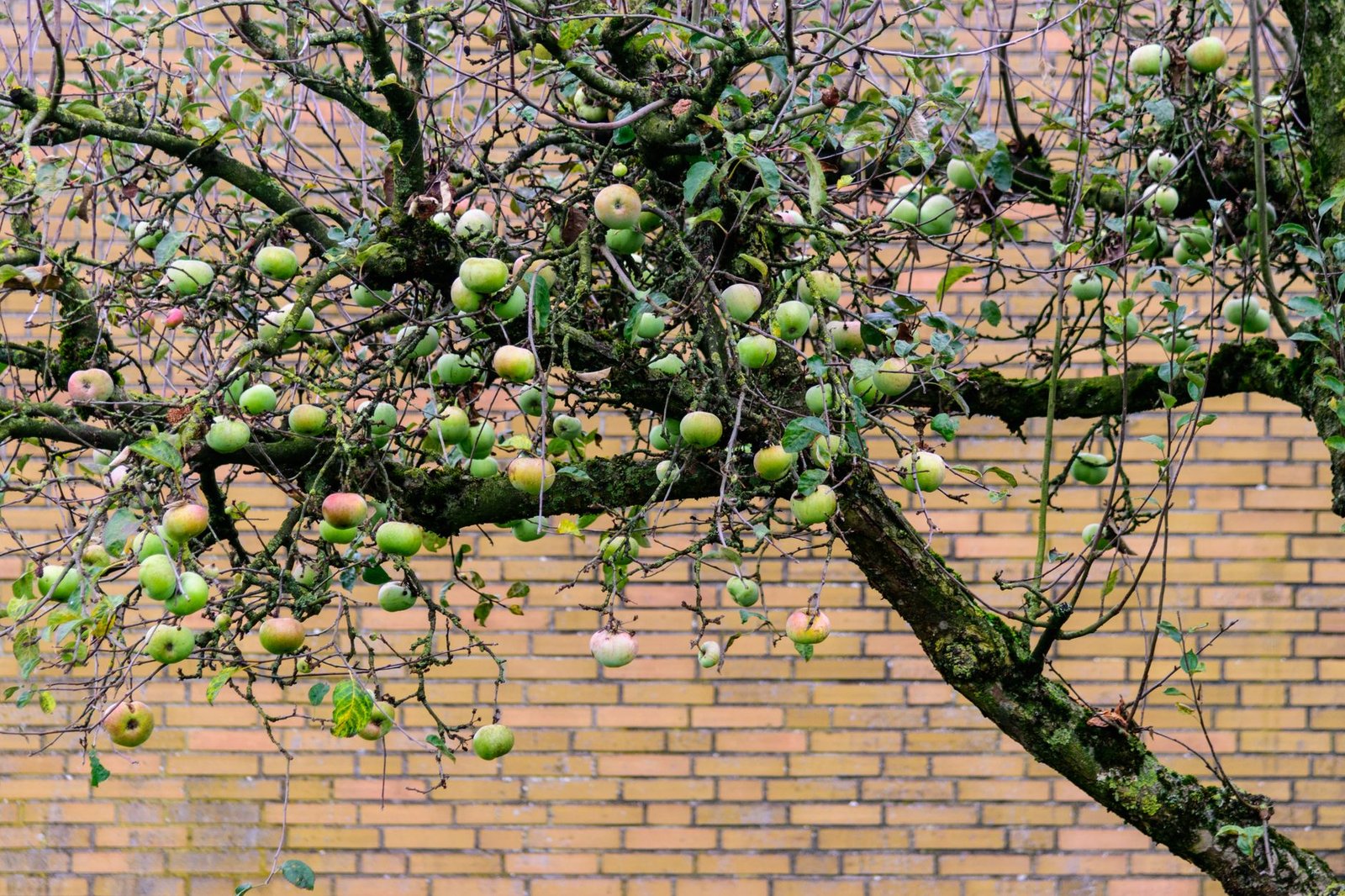
Cultivating a personal orchard in a confined urban or suburban space is an increasingly popular aspiration for homeowners in 2026. The best fruit trees for small backyards are primarily dwarf and semi-dwarf varieties, alongside columnar forms and trees amenable to espalier techniques, which efficiently maximize yield within minimal footprints. Top choices often include columnar apples, dwarf citrus, and compact stone fruits, all selected for their suitability and ease of management in restricted areas.
The integration of edible landscapes is a significant trend in contemporary domestic design, driven by a desire for self-sufficiency, aesthetic appeal, and sustainable living. Modern horticultural advancements and smart gardening technologies have made it more feasible than ever to enjoy fresh, homegrown produce, regardless of yard size.
Optimizing Small Spaces: Key Considerations for 2026
Maximizing fruit production in a small backyard requires strategic planning and an understanding of modern horticultural practices. The focus is on cultivars specifically bred for compact growth and innovative cultivation methods that make efficient use of vertical and horizontal dimensions.
Variety Selection: Beyond Standard Sizes
- Dwarf and Semi-Dwarf Rootstocks: These are fundamental for size control, ensuring trees remain manageable without extensive pruning. Advancements in rootstock technology in 2026 continue to introduce options with superior disease resistance, improved soil adaptability, and optimized nutrient uptake, leading to robust yields on smaller plants.
- Columnar Varieties: Exemplified by trees such as the ‘Urban Apple’ series, these varieties grow with a central leader and very short fruiting spurs, forming a narrow, upright habit. They are ideal for planting along fences, pathways, or in tight corners, requiring minimal ground space.
- Espalier Techniques: An ancient art experiencing a modern resurgence, espalier involves training trees to grow flat against a wall or trellis. This method not only conserves space but also creates a striking ornamental feature. New, durable, and aesthetically pleasing modular trellising systems, often crafted from recycled composites or UV-resistant bioplastics, are making this technique more accessible to the average homeowner.
Soil & Nutrient Management: Smart Solutions
For small spaces, container gardening and raised beds are often indispensable. Innovations in these areas enhance plant health and simplify care:
- Container Gardening: Modern self-watering planters incorporate reservoirs that reduce watering frequency, while lightweight, aerated substrate options (e.g., coconut coir blends with perlite or vermiculite) ensure optimal root health and drainage. Smart nutrient delivery systems, including slow-release pellets with controlled dissolution rates, provide balanced nutrition over extended periods.
- Raised Beds: Ergonomically designed raised beds, often constructed from durable, rot-resistant recycled lumber or composite materials, reduce strain during planting and harvesting. Integrated drip irrigation systems and smart soil moisture sensors, which relay data to a resident’s mobile device, ensure precise watering, minimizing waste.
Integrated Pest Management (IPM) & Smart Care
Sustainable practices are at the forefront of backyard fruit cultivation in 2026. IPM strategies prioritize prevention and non-toxic solutions. This includes selecting disease-resistant cultivars, encouraging beneficial insects through companion planting, and utilizing smart monitoring systems. Sensors can detect early signs of pest activity or nutrient deficiencies, allowing for targeted, minimal intervention. Biodiverse planting schemes enhance ecosystem resilience, naturally controlling pest populations.
Top Fruit Tree Recommendations for Small Backyards in 2026
Careful selection is paramount. The following categories represent some of the most suitable choices for small-space fruit production.
Columnar Apples
Columnar apple trees, such as ‘Northpole’ or ‘Golden Sentinel’, are exceptional for their vertical growth habit, reaching heights of 8-10 feet but spreading only 2 feet wide. They are highly productive for their size and can be grown in large containers or directly in narrow garden beds. New disease-resistant cultivars are continuously being introduced in 2026, reducing the need for chemical treatments. Pruning typically involves maintaining a single leader and removing any horizontal branches exceeding 6-8 inches.
Dwarf Citrus
Dwarf citrus varieties, including ‘Meyer’ lemons, ‘Bearss’ limes, kumquats, and various mandarins, thrive in containers and offer the flexibility of being moved indoors during colder months. They provide a delightful fragrance and consistent fruit production. Modern potting mixes formulated specifically for citrus provide optimal pH and drainage. For cooler climates, innovative insulated container sleeves or mobile greenhouses with smart temperature controls offer enhanced protection.
Compact Stone Fruits
Numerous dwarf varieties of peaches, nectarines, plums, and apricots are available, many of which are self-fertile, eliminating the need for multiple trees for pollination. Rootstocks like ‘Pixy’ for plums or ‘Citation’ for peaches and nectarines ensure compact growth while maintaining good vigor and fruit quality. These trees are increasingly bred for resistance to common diseases like peach leaf curl, simplifying care for the homeowner. Many dwarf stone fruits are also excellent candidates for espalier.
Bush Berries & Unique Selections
While not strictly