
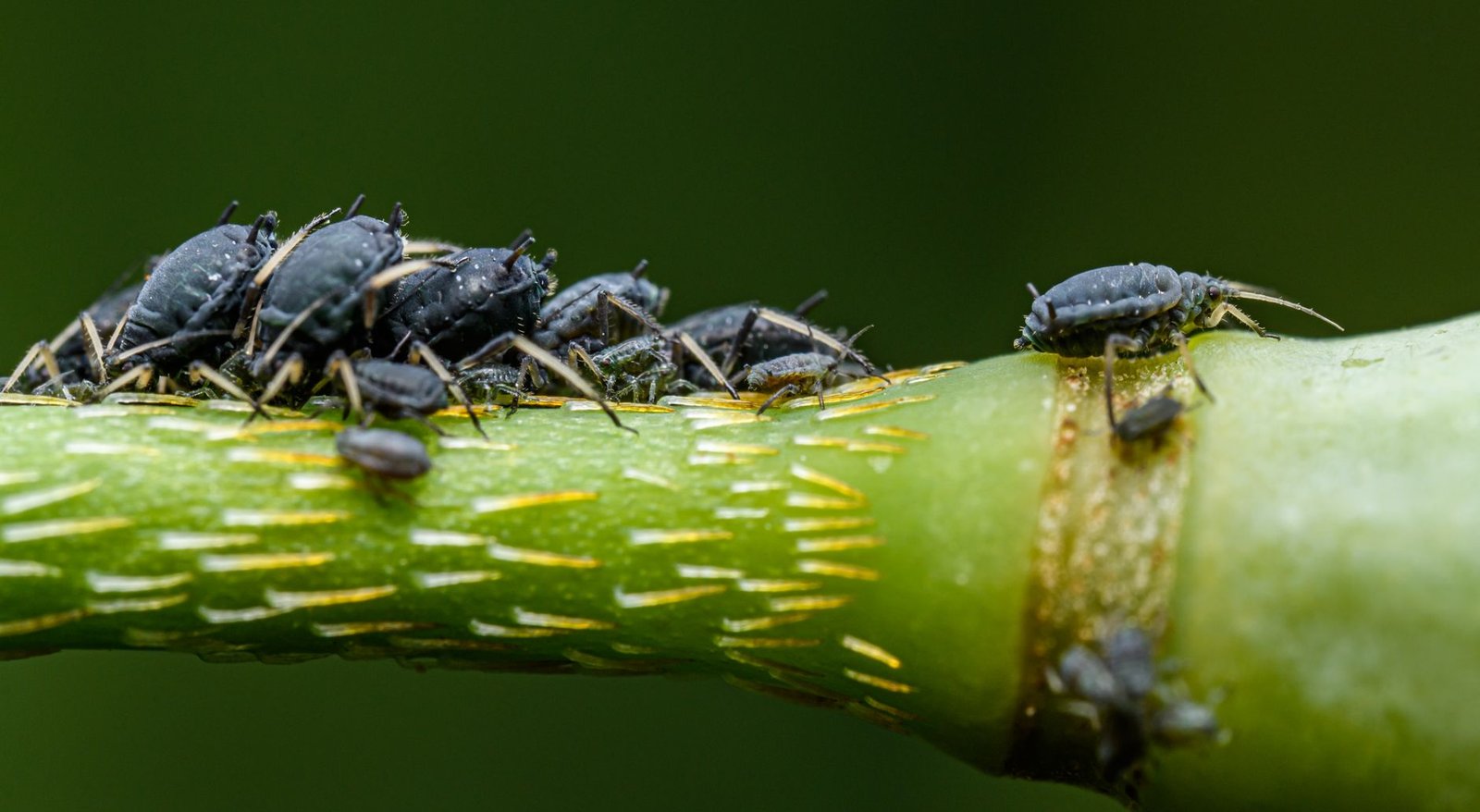
Aphids, tiny sap-sucking insects, pose a significant threat to the vitality of home gardens, leading to stunted growth, distorted leaves, and diminished yields. For those observing signs of these persistent pests, effective and natural intervention is crucial to protect plant health. This article details five proven, organic methods for identifying and eliminating aphid infestations, incorporating modern horticultural insights relevant to 2026, ensuring gardens thrive without harsh chemicals.
Understanding Aphids: Identification and Impact
Before implementing control measures, it is essential for the homeowner to accurately identify an aphid infestation and understand its potential harm. These small, soft-bodied insects, often pear-shaped, can range in color from green, black, white, gray, yellow, to pink, and typically cluster on new growth, leaf undersides, and flower buds. Some species may be winged, facilitating their rapid spread between plants.
What Are Aphids?
Aphids feed by piercing plant tissues and extracting nutrient-rich sap. This feeding activity can cause various forms of damage, weakening the plant and making it more susceptible to other stressors. They reproduce quickly, often asexually, allowing populations to explode in favorable conditions, making early detection paramount.
Signs of Infestation
The resident should look for several tell-tale signs:
- Curled or Stunted Leaves: Aphid feeding causes leaves to become distorted, curled downwards, or appear stunted due to sap depletion.
- Sticky Residue (Honeydew): Aphids excrete a sticky, sugary substance called honeydew. This can coat leaves, stems, and even sidewalks below affected plants.
- Sooty Mold: Honeydew often leads to the growth of black sooty mold, which, while not directly harming the plant, can block sunlight and hinder photosynthesis.
- Visible Aphid Colonies: Clusters of tiny insects on new shoots, buds, or the undersides of leaves are a clear indicator.
- Ant Activity: Ants are often attracted to honeydew and may even ‘farm’ aphids, protecting them from predators in exchange for their sweet secretions. Increased ant activity on plants can signal an aphid problem.
5 Natural Ways to Combat Aphids in 2026
In 2026, the emphasis on sustainable gardening practices continues to grow, with new advancements in organic pest management offering highly effective solutions. The following methods leverage ecological principles to manage aphid populations without harming the environment or beneficial organisms.
Method 1: Biological Control with Beneficial Insects
Harnessing nature’s predators is one of the most effective and eco-friendly ways to control aphids. By creating an inviting habitat or introducing specific insects, the gardener can establish a self-sustaining pest management system.
- Ladybugs (Lady Beetles): Both adult ladybugs and their larvae are voracious aphid eaters.
- Lacewings: The larvae of green lacewings are particularly effective aphid predators.
- Parasitic Wasps: Tiny parasitic wasps lay their eggs inside aphids, effectively mummifying them. The resulting ‘aphid mummies’ are a clear sign of their activity.
- Hoverflies: Hoverfly larvae also consume significant numbers of aphids.
For 2026, specialized online nurseries offer convenient access to live beneficial insects, often with updated genetic strains engineered for greater resilience or specific pest targets. Encouraging these beneficials involves planting nectar-rich flowers like dill, fennel, yarrow, and cosmos, which provide food sources for adult predators.
Method 2: Horticultural Oils and Insecticidal Soaps
These organic sprays work through physical means rather than chemical toxicity, making them safe for food crops and the environment when applied correctly. Modern formulations in 2026 are often more refined, minimizing phytotoxicity while maintaining efficacy.
- Horticultural Oils: These oils, derived from plants or petroleum, smother aphids by blocking their breathing pores. They are most effective on soft-bodied insects. Application should be thorough, covering all plant surfaces where aphids are present. Newer ultra-refined oils are less likely to harm plants in varying temperatures.
- Insecticidal Soaps: Potassium salts of fatty acids, insecticidal soaps disrupt the cell membranes of soft-bodied insects, leading to dehydration and death. These require direct contact to be effective. For optimal results, apply in the early morning or late evening to avoid rapid evaporation and potential plant scorching.
It is crucial to follow product instructions meticulously, as concentrations and application timings can vary. Repeated applications may be necessary for persistent infestations.
Method 3: Companion Planting and Repellents
Strategic planting can naturally deter aphids or attract their predators, creating a more resilient garden ecosystem.
- Repellent Plants: Certain plants emit odors that aphids find unappealing. Examples include garlic, chives, onions, mint, catnip, and marigolds. Planting these near susceptible crops can offer a protective barrier.
- Trap Crops: Some plants, like nasturtiums or borage, are highly attractive to aphids, drawing them away from more valuable crops. The homeowner can then easily monitor and manage aphid populations on these designated ‘trap’ plants.
- Attractants for Beneficials: As mentioned in biological control, plants like dill, cilantro, and cosmos attract ladybugs and lacewings, enhancing natural pest control.
The science behind plant biochemical interactions continues to evolve, with 2026 research providing deeper insights into specific plant pairings that maximize pest deterrence and beneficial insect attraction.
Method 4: Manual Removal and Water Blasting
For smaller infestations or as an immediate first-response, physical removal can be highly effective and requires no specialized products.
- Water Blasting: A strong stream of water from a garden hose can dislodge aphids from plant leaves and stems. This method is best done in the morning to allow plants to dry, reducing the risk of fungal diseases. Repeat every few days until the population is under control. This is particularly effective for larger, robust plants.
- Hand Removal: For delicate plants or small clusters, the gardener can gently wipe aphids off leaves with a gloved hand or a soft cloth. Pruning heavily infested leaves or stems and disposing of them away from the garden also helps reduce populations.
Regular inspection of plants, especially new growth and leaf undersides, enables early intervention with these simple yet effective methods.
Method 5: Advanced Organic Sprays and Soil Amendments
Beyond basic horticultural oils, advancements in organic pest control offer more targeted and sophisticated solutions. Furthermore, enhancing soil health provides a foundational defense for plants.
- Neem Oil: A botanical insecticide derived from the neem tree, neem oil acts as an antifeedant, growth disruptor, and repellent. It is systemic when applied as a soil drench, allowing the plant to absorb it and deter internal feeders. Modern neem formulations are more stable and less prone to breaking down quickly, offering longer residual effects for 2026 gardeners.
- Pyrethrin and Spinosad: These naturally derived insecticides offer stronger, though still organic, control. Pyrethrin, from chrysanthemums, acts as a neurotoxin but breaks down rapidly in sunlight. Spinosad, from soil bacteria, is effective against many pests but should be used judiciously to protect beneficial insects. Always ensure these products are certified for organic use and follow safety guidelines.
- Soil Amendments: A burgeoning area in 2026 horticulture is the understanding of the soil microbiome’s role in plant immunity. Incorporating beneficial microbial inoculants, high-quality compost, and specific organic fertilizers can boost plant vigor and resilience, making them less attractive and more resistant to aphid attacks. Plants in healthy soil are often better equipped to fend off pests naturally.
Preventing Future Infestations
An integrated approach to garden management is the most sustainable way to keep aphid populations in check. Prevention is always preferable to treatment.
- Regular Monitoring: Consistent inspection of plants, particularly new growth, allows for early detection and intervention before infestations become severe.
- Maintaining Plant Health: Healthy plants are more resilient. Ensure proper watering, balanced fertilization, and adequate sunlight to minimize plant stress, which can attract pests.
- Garden Sanitation: Remove plant debris, weeds, and fallen leaves that can harbor aphids or their eggs. Prune overcrowded areas to improve air circulation.
- Crop Rotation: Rotating crops annually can help disrupt pest life cycles in the soil.
- Encourage Biodiversity: A diverse garden ecosystem, rich in various plant species and beneficial insects, naturally creates checks and balances against pest outbreaks.
By adopting these proactive and reactive natural strategies, the homeowner can cultivate a thriving, aphid-free garden throughout 2026 and beyond, ensuring a healthy and productive outdoor space.