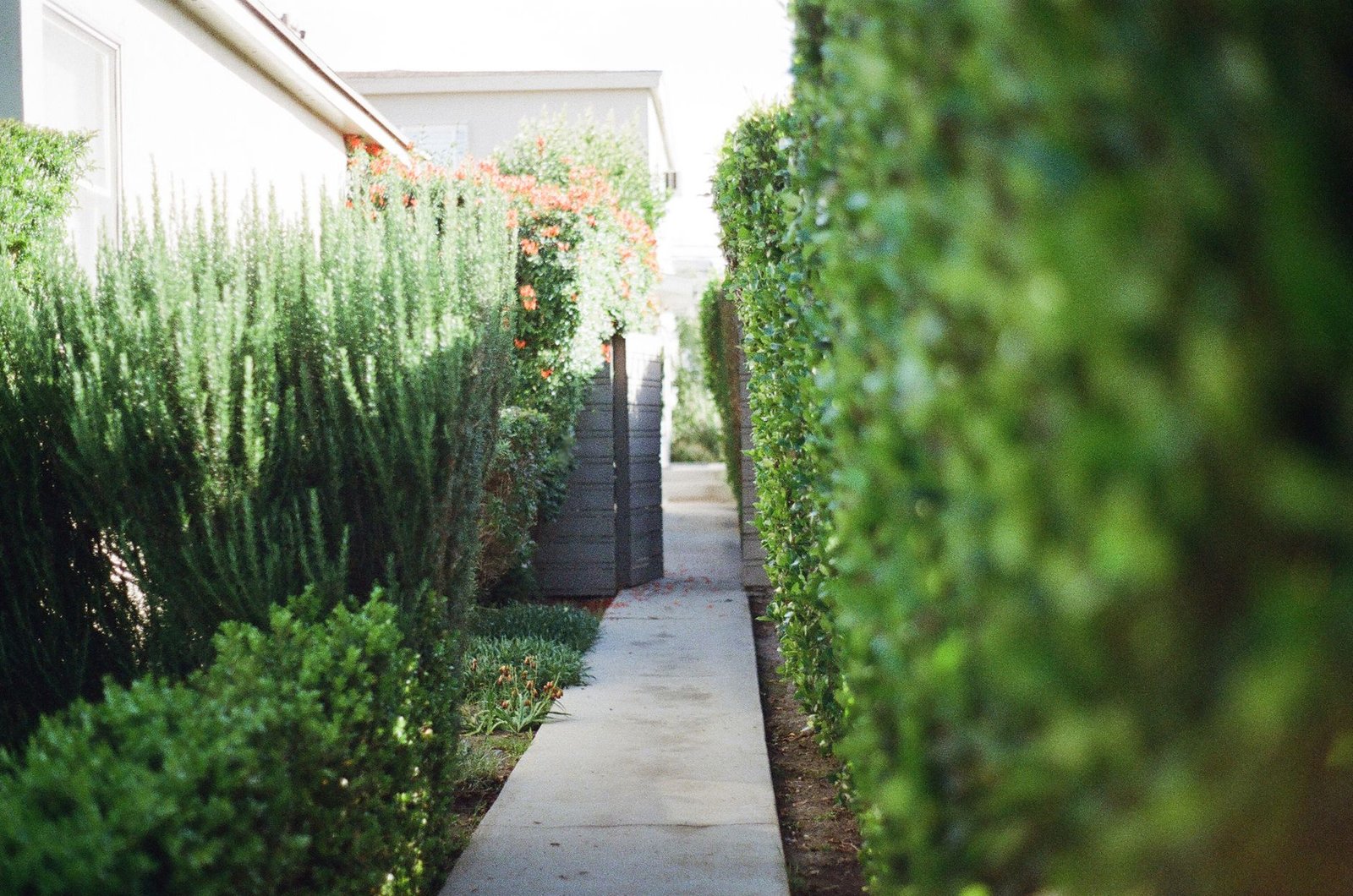
For homeowners seeking privacy and structural elegance with minimal ongoing effort, the best low-maintenance hedges for 2026 backyards prioritize slow growth, disease resistance, and adaptability to various climates. Leading varieties include new compact cultivars of Boxwood, resilient Japanese Yew, and the versatile Skip Laurel, all offering enduring beauty with infrequent pruning requirements. The modern landscape demands solutions that align with sustainability and technological advancements, making these choices particularly relevant for the current year’s design trends.
As urban and suburban spaces continue to evolve, the demand for efficient, aesthetically pleasing landscape features grows. Hedges serve as living fences, windbreaks, and noise buffers, contributing significantly to a property’s appeal and privacy. In 2026, the emphasis is firmly on plant selections that integrate seamlessly with smart gardening practices and require minimal intervention, freeing up the resident’s time while contributing to ecological balance.
Understanding Low-Maintenance Hedge Essentials for 2026
Selecting the right hedge begins with understanding what truly constitutes ‘low-maintenance’ in today’s gardening context. Beyond simply requiring less frequent pruning, modern low-maintenance hedges are characterized by their inherent resilience and minimal needs. Key factors for 2026 include:
- Slow Growth Rate: Plants that grow slowly naturally require less frequent trimming, often only once a year to maintain shape.
- Disease and Pest Resistance: Modern cultivars are often bred for enhanced resistance to common blights and pests, reducing the need for chemical treatments and intervention.
- Drought Tolerance: With increasing climate variability, hedges that can withstand periods of reduced watering are highly valued, especially when paired with 2026’s advanced soil moisture sensors and smart irrigation systems.
- Adaptability: Hedges that thrive in a range of soil types and light conditions minimize the need for extensive soil amendments or specific microclimate management.
- Compact Habit: Naturally dense and compact growth forms reduce the need for significant shaping.
Industry trends in 2026 lean heavily towards biophilic design and ecological responsibility. This means favoring options that support local ecosystems, require fewer resources, and contribute positively to air quality and biodiversity. New material developments in organic soil conditioners and slow-release nutrient systems also play a role in optimizing plant health with less effort.
Top Low-Maintenance Hedge Varieties for Modern Backyards
Several hedge varieties consistently stand out for their low-maintenance attributes, making them ideal choices for 2026 backyard designs. Each offers unique characteristics suited to different aesthetic and functional requirements.
Boxwood (Buxus sempervirens and cultivars)
The timeless elegance of Boxwood remains a top choice. For 2026, the focus is on newer, blight-resistant cultivars like ‘Green Velvet’ or ‘Wintergreen’ which offer improved disease resistance while maintaining the classic dense, evergreen foliage. Boxwood’s exceptionally slow growth means it typically needs only one annual trim to maintain its neat form, making it a truly low-effort option for formal gardens or defining property lines. Its adaptability to various light conditions, from full sun to partial shade, further enhances its appeal.
Japanese Yew (Taxus cuspidata and cultivars)
Japanese Yew is another highly favored evergreen, celebrated for its extreme hardiness and longevity. Varieties like ‘Densiformis’ or ‘Hicksii’ are particularly popular for hedges due to their dense, upright growth. Yews tolerate deep shade better than many other evergreens and are remarkably resilient to pruning, though they rarely need heavy cuts. Their slow to moderate growth rate ensures they remain tidy with minimal intervention, often just a single shaping per year.
Skip Laurel (Prunus laurocerasus ‘Schipkaensis’)
For those seeking a slightly faster-growing but still low-maintenance option for larger privacy screens, the Skip Laurel is excellent. This broadleaf evergreen boasts glossy, dark green leaves and a naturally upright, columnar habit. It is highly adaptable, deer-resistant, and relatively drought-tolerant once established. While it grows faster than Boxwood or Yew, its growth is manageable, requiring perhaps two trims annually to maintain its desired shape and density, offering significant privacy without excessive work.
Inkberry Holly (Ilex glabra)
As a native alternative to Boxwood in many regions, Inkberry Holly provides a fine-textured, evergreen solution. Cultivars like ‘Shamrock’ or ‘Strongbox’ offer compact forms. It thrives in moist, acidic soils but adapts well once established. Inkberry requires minimal pruning, often just an occasional shaping, and offers ecological benefits by supporting local wildlife. Its understated elegance fits well within more naturalistic 2026 landscape designs.
Emerald Green Arborvitae (Thuja occidentalis ‘Emerald Green’)
For a vertical, columnar privacy screen that is distinctly low-maintenance, ‘Emerald Green’ Arborvitae is an excellent choice. Its narrow, upright growth habit means it requires very little shearing to maintain its form, naturally growing into a dense, elegant pillar. It is hardy and provides year-round screening, a perfect fit for smaller backyards where width is a consideration, and vertical privacy is paramount.
Integrating Hedges with 2026 Landscape Innovations
The selection of low-maintenance hedges in 2026 is often coupled with smart landscape innovations designed to further reduce upkeep and enhance sustainability. Homeowners are increasingly integrating their plantings with technology and thoughtful design principles.
- Smart Irrigation Systems: Pairing drought-tolerant hedges with sensor-driven irrigation ensures optimal water delivery, preventing over or under-watering and conserving resources. These systems can be programmed to respond to real-time weather data.
- Sustainable Soil Management: The use of advanced organic amendments, such as biochar-enriched composts and targeted slow-release fertilizers, promotes robust root systems and plant health, reducing the need for constant vigilance and chemical inputs.
- Permeable Hardscaping: Surrounding hedges with permeable pathways or patios allows for better water infiltration, reducing runoff and supporting healthy root zones. Modern permeable materials, including recycled composites, are both durable and aesthetically pleasing.
- Companion Planting: Strategically placing low-maintenance groundcovers or perennials at the base of hedges can suppress weeds, retain soil moisture, and create a visually rich, self-sustaining ecosystem, further minimizing the resident’s tasks.
Maintenance Best Practices for Lasting Appeal
Even the most low-maintenance hedges benefit from foundational care practices to ensure their long-term health and aesthetic appeal. Adhering to these principles will maximize the benefits of the chosen varieties.
- Proper Planting: Ensuring hedges are planted in appropriate soil conditions with adequate spacing is crucial. A soil test can guide necessary amendments prior to planting.
- Initial Watering: During the establishment phase (typically the first one to two growing seasons), consistent deep watering is vital. Once established, many low-maintenance varieties will become significantly more drought-tolerant.
- Minimal Pruning: Resist the urge to over-prune. For slow-growing varieties, a light shaping once a year, typically in late winter or early spring before new growth emerges, is often sufficient to maintain the desired form.
- Mulching: Applying a 2-3 inch layer of organic mulch around the base of hedges helps retain soil moisture, regulate soil temperature, and suppress weeds, further reducing maintenance requirements.
- Monitoring for Health: Regular but infrequent visual checks for signs of stress, nutrient deficiencies, or pest issues allow for early, targeted intervention if necessary, preventing larger problems.
By thoughtfully selecting varieties that align with the principles of low-maintenance gardening and integrating them with modern landscape innovations, the homeowner can achieve a stunning, private, and resilient backyard. The focus for 2026 remains on creating beautiful outdoor spaces that are not only visually appealing but also ecologically sound and remarkably easy to care for.