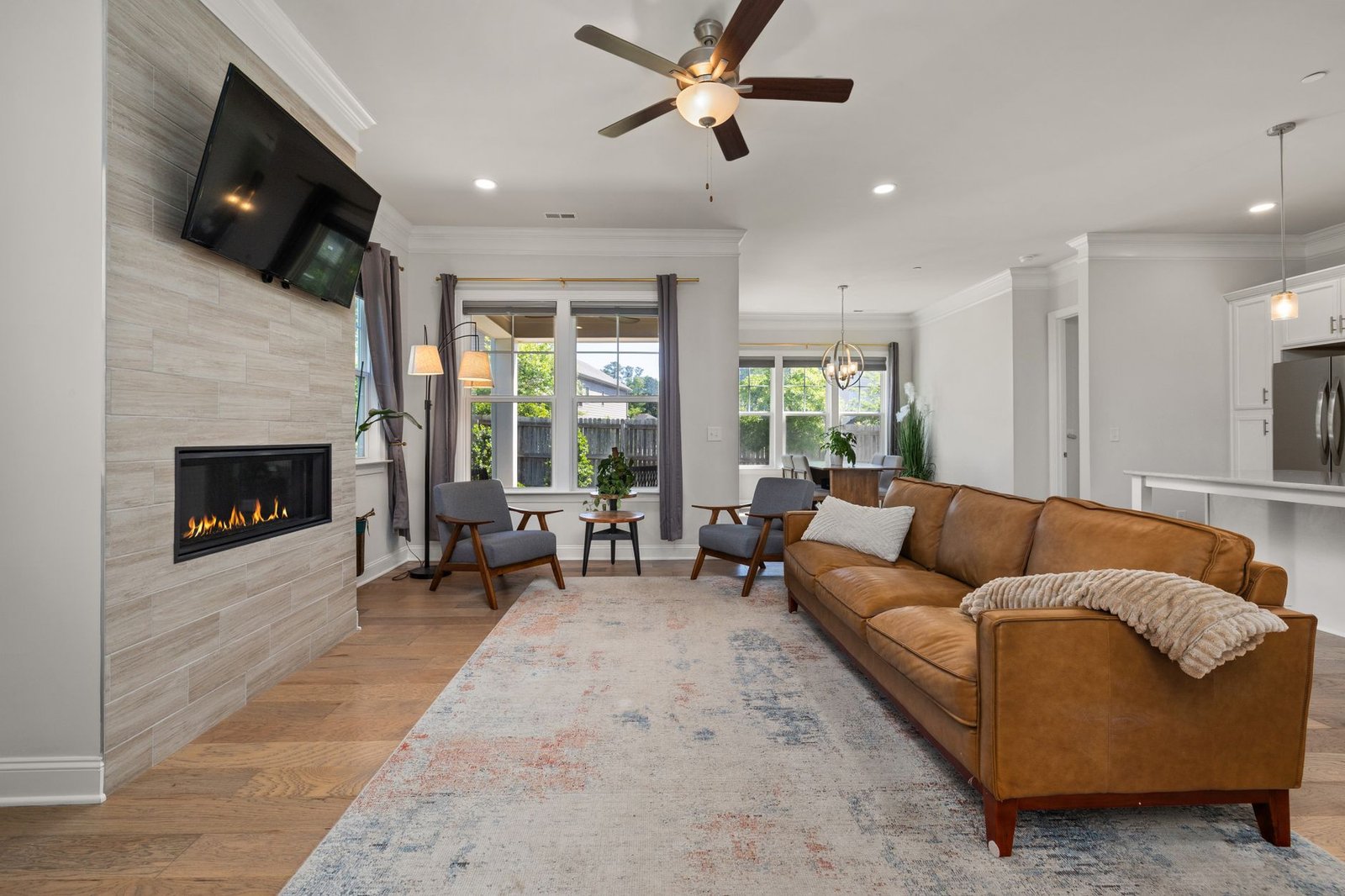
For high-traffic living rooms in 2026, the optimal area rug material often balances exceptional durability with ease of maintenance and aesthetic appeal. While several options exist, **performance-engineered synthetic blends** and **high-quality wool** generally stand out as leading contenders for providing the necessary resilience and style. The ideal choice ultimately depends on specific household needs, including the presence of children or pets, desired comfort levels, and stylistic preferences.
Selecting an area rug for a busy living space requires careful consideration beyond initial visual appeal. A rug is a significant investment that anchors the room’s design and endures daily wear and tear. This analysis will delve into the characteristics of various popular rug materials, offering insight into their suitability for active living rooms in the current year.
Understanding High-Traffic Demands in 2026
The modern living room, especially in 2026, often functions as a dynamic, multi-purpose hub. Open-plan designs mean living rooms are frequently pathways to other areas, while increased remote work and entertainment trends keep these spaces constantly in use. This elevated traffic, coupled with evolving lifestyle trends like increased pet ownership and a focus on sustainable choices, places stringent demands on flooring and area rugs.
Key Considerations for High-Traffic Rugs:
- Durability: The ability to withstand constant foot traffic, resist crushing, and maintain its structure over years.
- Cleanability: Ease of cleaning spills, stains, and general dirt accumulation without permanent damage or discoloration.
- Comfort: The feel underfoot, especially important in a space where residents frequently relax and socialize.
- Style Suitability: How well the material integrates with current interior design trends and complements the resident’s aesthetic vision.
Leading Area Rug Materials for Enduring Style
Several materials are commonly considered for area rugs, each with distinct advantages and drawbacks for high-traffic environments.
Wool: The Timeless & Resilient Classic
Wool remains a perennial favorite for its natural beauty and inherent strength. In 2026, sustainably sourced wool continues to be highly sought after.
- Durability: Wool fibers possess natural crimp, providing excellent elasticity and resistance to crushing. They are inherently durable and can last for decades with proper care. Newer wool rugs often feature advanced treatments for enhanced stain resistance, making them even more robust.
- Cleanability: Wool has natural lanolin, offering some resistance to dirt and moisture. Spills should be blotted immediately. While generally good, deep stains can be challenging to remove without professional help.
- Comfort: Known for its luxurious softness and warmth, wool provides superior comfort underfoot. It also acts as a natural insulator, contributing to domestic comfort.
- Style: Extremely versatile, wool can be dyed in a vast array of colors and woven into countless textures and patterns, fitting both traditional and contemporary aesthetics.
Synthetic Blends (Nylon, Polyester, Polypropylene): Engineered for Performance
Synthetic rugs, particularly blends, have seen significant advancements by 2026, offering robust performance, often at a more accessible price point.
- Nylon: Considered the most durable synthetic fiber, nylon excels in high-traffic areas due to its exceptional resilience and ability to resist crushing. Modern nylon fibers feature improved softness and often come with advanced stain and soil protection built into the fiber itself.
- Polyester (PET): Significant strides have been made in polyester technology. In 2026, PET rugs (often made from recycled plastic bottles) offer improved softness, excellent colorfastness, and good stain resistance, especially against water-soluble spills. Its durability has greatly increased, making it a viable option for moderately high-traffic zones.
- Polypropylene (Olefin): This material is renowned for its outstanding stain and moisture resistance, making it an excellent choice for households with children or pets. It is solution-dyed, meaning the color is inherent in the fiber, preventing fading. While historically less resilient than nylon, 2026 advancements in fiber density and construction have improved its crush resistance.
- Cleanability: Generally superior to natural fibers, especially solution-dyed synthetics. Most spills can be blotted and cleaned with mild detergents. The emergence of ‘smart fibers’ with integrated spill barriers further enhances cleanability.
- Comfort: Varies by fiber and construction. High-quality synthetic blends can closely mimic the softness of wool.
- Style: Offers an almost limitless range of colors, patterns, and textures, capable of replicating the look of natural fibers convincingly.
Jute: The Eco-Chic & Textured Choice
Jute has maintained its appeal for its natural aesthetic and sustainable origins.
- Durability: Jute is reasonably durable for moderate traffic. However, in extremely high-traffic pathways, it can show wear and potentially shed fibers more readily than wool or synthetics.
- Cleanability: Challenging. Jute is highly absorbent, making it susceptible to water stains and discoloration. Wet cleaning should be avoided; dry blotting is the preferred method for spills.
- Comfort: Offers a distinct textured feel, which can range from somewhat coarse to moderately soft, depending on the weave. It is comfortable for general foot traffic but less suited for prolonged sitting or lounging directly on the rug.
- Style: Provides an organic, earthy texture that complements natural, bohemian, or minimalist decor styles. In 2026, jute is often blended with cotton or wool to enhance softness and improve durability.
Sisal: The Naturally Strong & Structured Option
Sisal is another natural fiber known for its robust character.
- Durability: Exceptionally strong and durable, sisal fibers are excellent for very high-traffic areas where extreme resilience is paramount. It resists crushing and wear remarkably well.
- Cleanability: Similar to jute, sisal is absorbent and difficult to clean. Water can cause the fibers to stiffen or warp, and staining is a significant concern. Professional dry cleaning is often recommended.
- Comfort: Sisal has a very coarse, structured texture. While highly durable, it is not typically chosen for its softness or comfort underfoot, making it less ideal for intimate lounging spaces.
- Style: Its distinctive weave and natural tones lend a modern, architectural, and sophisticated look. Blended sisal with finer materials or specific backings are appearing in 2026 to offer slightly improved underfoot comfort without sacrificing strength.
Making the Informed Choice: Matching Rug to Lifestyle
Choosing the best area rug material requires a personalized approach, aligning material properties with the resident’s specific lifestyle and aesthetic goals.
Assessing Lifestyle and Needs
- Households with Pets or Children: Prioritize excellent cleanability and stain resistance. **Synthetic blends (especially solution-dyed nylon or polypropylene)** are often the front-runners. Robust wool with stain treatments can also be considered.
- Traffic Volume: For extremely high-traffic corridors, **nylon synthetics** or **sisal** offer unparalleled durability. For busy but not intensely trafficked living rooms, **high-quality wool** and advanced **PET polyesters** are excellent.
- Desired Comfort Level: If a soft, plush feel is a priority for lounging, **wool** or high-pile, soft **synthetic blends** will be the best fit.
- Budget: Synthetic options offer a broad range of price points, often providing significant value. Wool is generally a greater upfront investment but offers long-term durability and natural benefits.
Considering the Overall Aesthetic
Beyond functionality, the rug must harmonize with the room’s design. Natural fibers like jute and sisal contribute organic texture, while wool and synthetics offer extensive versatility in color, pattern, and pile height to match any decor style, from minimalist modern to traditional ornate.
The 2026 Perspective: Sustainability and Innovation
By 2026, sustainability is a driving factor in material selection. Residents increasingly seek rugs made from:
- Recycled Materials: PET polyester made from recycled plastic bottles is a prime example.
- Sustainably Sourced Natural Fibers: Certified organic or ethically sourced wool and jute.
- Low VOCs (Volatile Organic Compounds): Rugs with certifications indicating low emissions for improved indoor air quality.
Material innovations continue to focus on creating textiles that are not only durable and easy to maintain but also environmentally responsible.
Conclusion
Determining the ‘best’ area rug material for high-traffic living rooms in 2026 ultimately depends on the specific priorities of the homeowner. For an optimal blend of durability, cleanability, and comfort, **high-quality wool** and **advanced synthetic blends (particularly nylon and modern PET polyester)** stand out. Wool offers timeless luxury and natural resilience, while synthetics provide engineered performance and superior stain resistance. Natural fibers like jute and sisal offer unique textures and sustainability benefits but may require more careful consideration regarding cleanability and underfoot comfort. By carefully evaluating the demands of their living space and their personal preferences, the resident can select an area rug that provides lasting beauty and functionality for years to come.