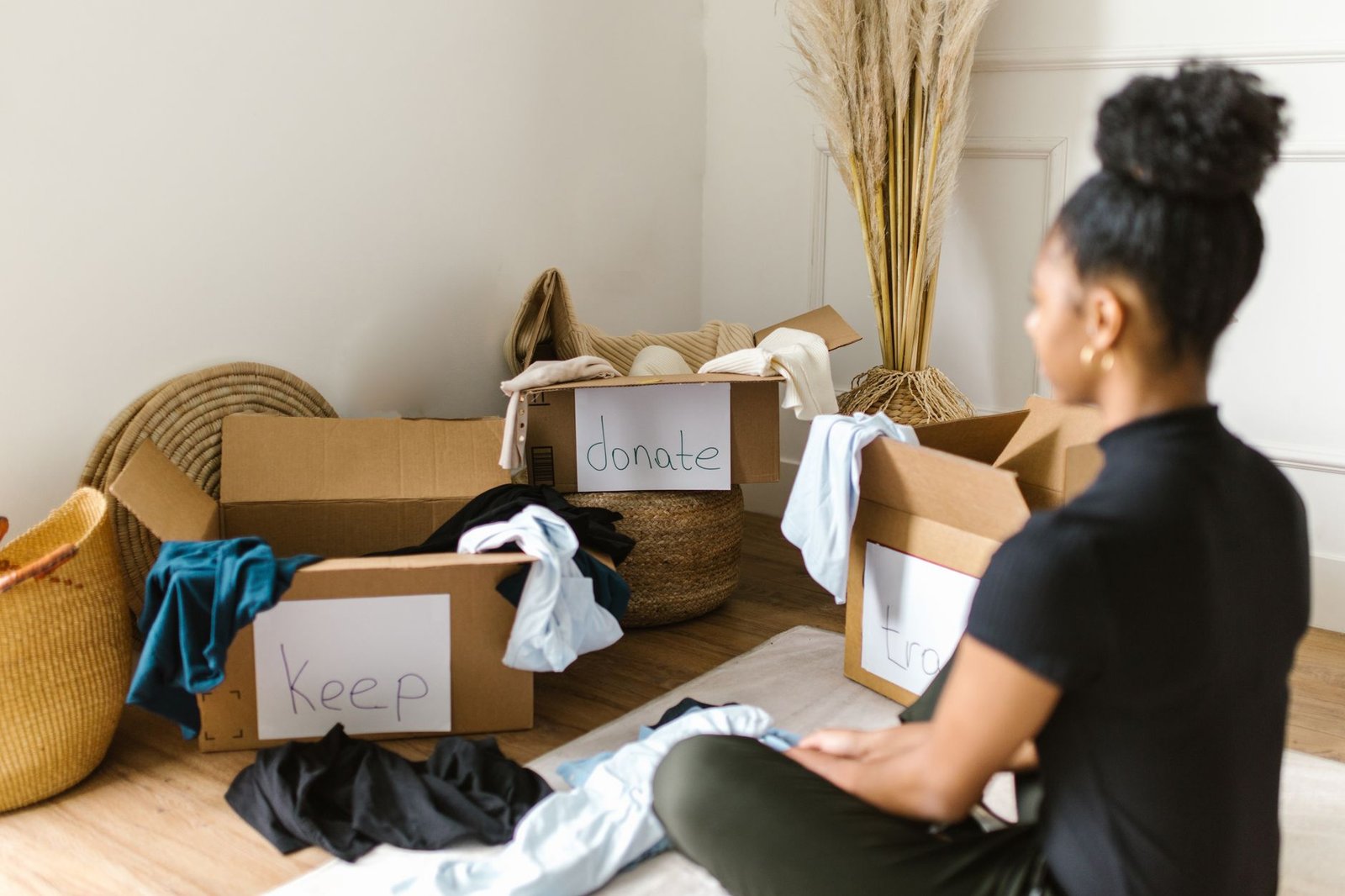
Identifying the single ‘best’ donation center for decluttered items in 2026 is complex, as optimal choices depend heavily on the specific items being donated, local availability, and the individual’s priorities regarding impact and convenience. Instead of a singular entity, the most effective approach involves selecting reputable organizations that align with the type of goods being given away, ensuring they reach those who can benefit most while minimizing environmental impact. The decision-making process for the homeowner in 2026 is informed by evolving sustainability practices, increased digitalization, and a greater demand for transparency from charitable organizations.
Key Considerations for Choosing a Donation Center in 2026
Item Type and Condition
For clothing, textiles, and general household goods, traditional charities often serve as primary recipients. However, items requiring specialized handling, such as older electronics or construction materials, necessitate centers equipped for responsible recycling or refurbishment. A crucial consideration for the homeowner in 2026 is the condition of the items; most donation centers prioritize goods that are clean, functional, and ready for immediate reuse or resale, aligning with efforts to minimize waste processing. Items that are excessively damaged or unusable often require specialized recycling rather than direct donation.
Logistics and Convenience
The practicalities of donation significantly influence choice. Some centers offer convenient drop-off locations, while others provide pick-up services for larger items like furniture. The homeowner should assess geographic proximity and the ease of scheduling. In 2026, many organizations leverage online portals and mobile applications to streamline scheduling, making the process more efficient for busy individuals.
Mission and Impact Transparency
Many individuals prefer to donate to organizations whose missions resonate with their values. Researching the stated goals of a charity, whether it focuses on poverty alleviation, job training, or environmental protection, helps ensure alignment. A growing trend in 2026 is the demand for greater transparency regarding how donations are utilized, sold, or distributed, with reputable centers providing clear impact reports.
Sustainability Practices
With an increased focus on the circular economy, homeowners are increasingly interested in how donation centers handle items that cannot be sold or directly reused. Leading organizations in 2026 often have robust partnerships for recycling textiles, electronics, and other materials, preventing them from ending up in landfills. Prioritizing centers with strong sustainability commitments ensures that decluttering efforts contribute positively to environmental stewardship.
Top Donation Center Categories and Their Focus
General Thrift Stores & Charities
- Goodwill and Salvation Army: Widely recognized, these organizations accept a broad range of items, including clothing, housewares, furniture, and books. Their revenue often supports job training programs and community services. They are increasingly focused on diverting textiles from landfills, even those not suitable for resale.
- Local Community Charities: Numerous smaller, local charities operate thrift stores, directly benefiting specific community needs. Researching local options can provide a more direct impact.
Furniture & Home Goods Specific Organizations
- Habitat for Humanity ReStore: Specializes in accepting new and gently used building materials, appliances, furniture, and home accessories. Proceeds support Habitat for Humanity’s mission of affordable housing.
- Furniture Banks: Dedicated to providing furniture to individuals and families transitioning out of homelessness or other challenging situations. These often accept larger items like sofas, beds, and dining sets.
Clothing & Textile Recyclers
- Beyond traditional charities, specialized textile recycling bins and services are available for worn-out or unwearable clothing and fabric items. These align with 2026 advancements in material recovery for fibers. Some apparel brands also offer take-back programs for their own products, participating in a more circular fashion economy.
Electronics & E-Waste Recyclers
- Retailers (e.g., Best Buy, Staples): Many major electronics retailers offer take-back programs for various electronics, from small gadgets to larger appliances.
- Municipal E-Waste Programs: Local government-run or sanctioned facilities for responsible disposal of outdated electronics, ensuring hazardous materials are managed properly and valuable components are recycled. Responsible disposal is crucial for safeguarding personal data on smart devices.
Books & Media Donation Points
- Local Libraries: Often accept gently used books, DVDs, and CDs for resale or addition to their collections.
- Online Book Donation Services (e.g., Better World Books): Provide convenient options for donating books that find new homes globally or support literacy initiatives.
Specialized Donation Services (2026 Emergent)
- Online Peer-to-Peer Networks: Platforms like Freecycle or local Buy Nothing groups connect individuals directly for specific item exchanges, fostering hyper-local reuse.
- Niche Charities: Organizations focused on specific items such as art supplies, medical equipment, or professional attire for job seekers.
2026 Trends in Sustainable Donation and Upcycling
Circular Economy Integration
The year 2026 marks a heightened global commitment to circular economy principles. Donation centers are no longer solely collection points but are increasingly integrated into systems that prioritize repair, refurbishment, and advanced material recovery. This focus on extending product lifecycles rather than mere disposal is central to modern waste reduction strategies.
Advanced Material Recovery
New technologies are emerging for breaking down complex materials, such as multi-fiber textiles and composite plastics, into reusable components. This impacts what