
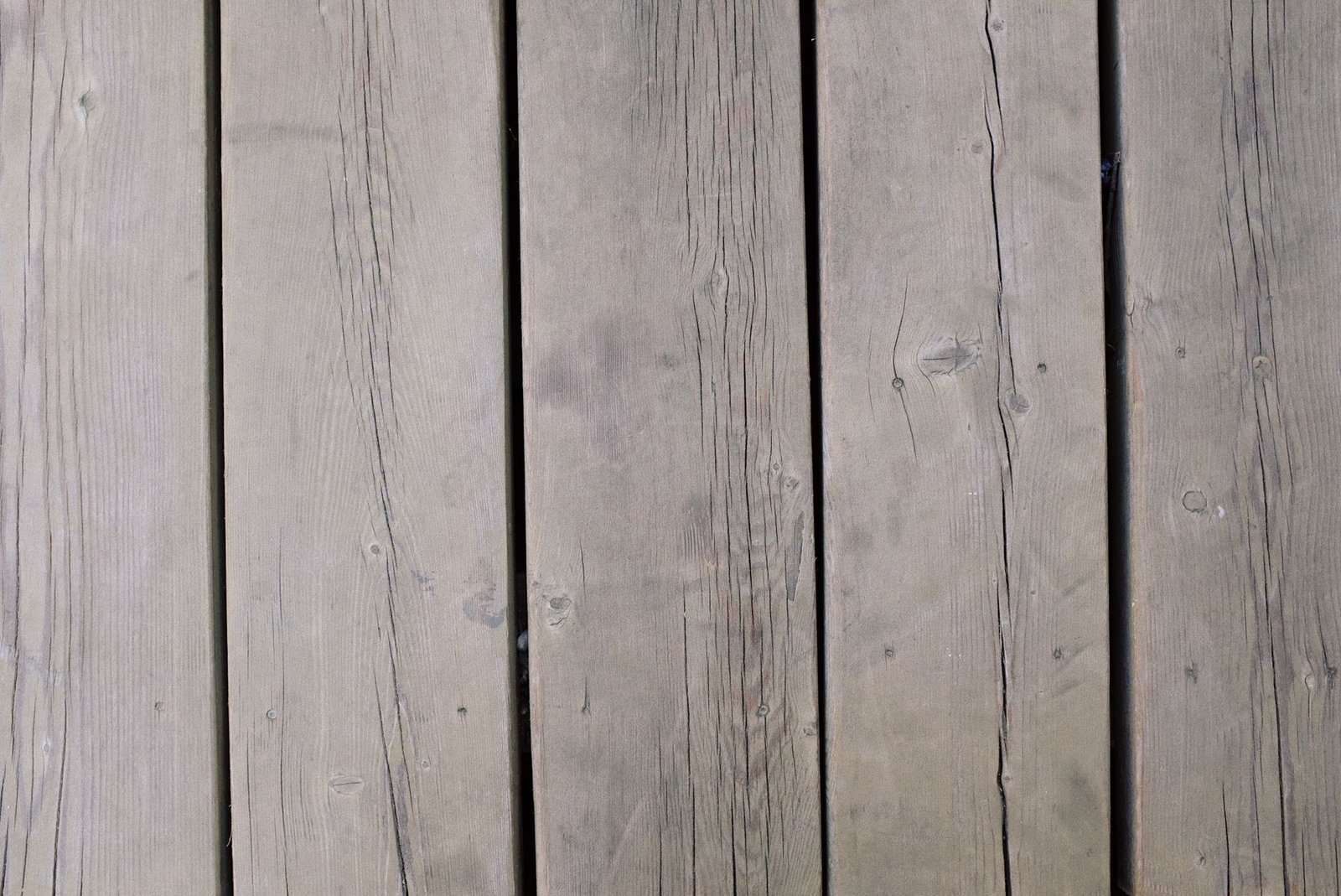
When planning an outdoor living space in 2026, one of the most significant decisions involves selecting the right decking material. Regarding longevity, composite decking generally outperforms traditional wood options, offering a lifespan that often exceeds twenty-five years with minimal upkeep. Conversely, traditional wood decking typically presents a lower initial installation cost, yet its long-term expenses can accumulate due to ongoing maintenance requirements such as staining and sealing, making the overall lifetime cost comparison complex for homeowners in the current market.
Understanding Decking Materials: Options for 2026
The outdoor living market in 2026 continues to evolve, offering a diverse array of materials to suit various aesthetic preferences and functional needs. Understanding the fundamental characteristics of wood and composite decking is crucial for making an informed decision that aligns with project goals and budget considerations.
Traditional Wood Decking
Traditional wood decking remains a popular choice for its natural beauty and timeless appeal. Common options include pressure-treated pine, cedar, and redwood, which are relatively affordable upfront. Hardwoods like ipe, cumaru, and tigerwood offer superior natural durability and resistance to insects, though at a significantly higher price point. Wood decks provide an organic aesthetic, with each board possessing unique grain patterns and color variations that deepen over time. However, this natural charm comes with inherent vulnerabilities, including susceptibility to rot, insect infestation, splintering, and warping if not consistently maintained.
Advanced Composite Decking
Composite decking, a manufactured product primarily composed of recycled plastics and wood fibers, has seen significant technological advancements by 2026. Modern composite boards often feature a robust polymer cap, sometimes referred to as ‘capped composite,’ that encapsulates the core, providing enhanced protection against fading, scratching, staining, and mold. PVC decking, an entirely synthetic option, offers even greater durability and is impervious to moisture and insects. The aesthetic range of composite materials has expanded dramatically, with many products now mimicking the nuanced textures and color variations of natural wood with remarkable realism. Manufacturers continue to innovate, introducing lighter, stronger, and more sustainably produced composite options with advanced UV resistance and sophisticated fastening systems.
Longevity and Durability: A 2026 Analysis
The expected lifespan of a deck is a critical factor for homeowners, directly influencing the long-term value and satisfaction derived from the investment. Material science in 2026 highlights distinct differences in the durability profiles of wood and composite options.
The Lifespan of Natural Wood
The longevity of a wood deck varies significantly based on the wood species, climate, and the diligence of its maintenance. Pressure-treated pine, a common and cost-effective choice, typically lasts 10-15 years. Cedar and redwood, known for their natural resistance to decay and insects, often achieve 15-20 years. Exotic hardwoods, with their inherent density and natural oils, can endure for 25 years or even longer when properly cared for. However, consistent maintenance, including cleaning, sealing, and staining every 1-3 years, is paramount to prevent premature deterioration caused by moisture, UV radiation, and biological agents.
The Enduring Nature of Composite
Composite decking, particularly the higher-quality capped varieties, is engineered for extended durability. Most leading composite brands offer warranties ranging from 25 to 30 years, and often the material itself can last even longer under ideal conditions. Its resistance to rot, insects, splintering, and significant fading means that its structural and aesthetic integrity is maintained with minimal effort over decades. PVC decking often extends this longevity further, given its complete impermeability to moisture and decay. The consistent performance of composite materials makes them a compelling option for residents seeking a truly low-maintenance, long-lasting outdoor solution in 2026.
Factors Influencing Durability
Beyond the material itself, several factors influence a deck’s overall lifespan. Proper installation is crucial, ensuring adequate ventilation, correct fastening, and adherence to manufacturer guidelines. Environmental conditions, such as extreme temperature fluctuations, high humidity, or intense UV exposure, can accelerate wear on any material. Regular cleaning, regardless of material type, prevents the buildup of debris, mold, and mildew that can compromise surfaces over time. For wood, the application of high-quality sealants and stains provides essential protection against the elements.
Cost Implications: Initial vs. Lifetime Investment in 2026
Analyzing the financial aspect of decking involves more than just the upfront purchase price; it requires a comprehensive understanding of long-term ownership costs and potential return on investment (ROI).
Upfront Expenses
In 2026, the initial cost of decking materials continues to reflect market dynamics and material availability. Pressure-treated pine remains the most budget-friendly option, typically ranging from $15-$25 per square foot for materials and installation. Cedar and redwood might fall between $25-$45 per square foot. Exotic hardwoods represent the highest initial investment for wood, often exceeding $50-$70 per square foot due to material costs and specialized installation requirements. Composite decking, while more expensive initially than treated pine, often sits in a similar range to cedar or redwood, from $30-$60 per square foot, with premium capped composites or PVC reaching $60-$80+ per square foot. These figures include material and professional installation for a standard deck design.
Long-Term Ownership Costs
The true cost of a deck becomes apparent over its lifespan. Wood decks incur significant ongoing maintenance expenses. Annually or biennially, residents should budget for cleaning, sanding, staining, or sealing, which can cost several hundred to over a thousand dollars per application, depending on deck size and whether it’s a DIY project or professional service. Over a 15-20 year period, these costs can easily add up to thousands of dollars, potentially equaling or even surpassing the initial installation cost. In contrast, composite decking’s primary long-term cost is routine cleaning with soap and water. The absence of sealing, staining, or painting requirements translates into substantial savings in both time and money over the deck’s extended lifespan. Replacement of damaged boards, while less frequent with composite, can be more costly for individual pieces.
Return on Investment (ROI)
Both wood and composite decks generally offer a good return on investment, enhancing a home’s curb appeal and functionality. However, the ROI calculation can be nuanced. A well-maintained wood deck can yield an ROI of 65-75% upon resale. Composite decks, with their promise of low maintenance and longevity, are increasingly appealing to prospective homebuyers, potentially offering an ROI in a similar or even slightly higher range, often seen as a significant value-add due to the reduced ownership burden. The sustained aesthetic quality of composite without the intensive upkeep can be a strong selling point in the 2026 real estate market.
Aesthetic Appeal and Maintenance Requirements
Beyond cost and durability, the visual impact and practical upkeep of a deck are paramount considerations for homeowners.
The Natural Charm of Wood
The inherent beauty of natural wood is undeniable. Its organic warmth, unique grain patterns, and the way it ages gracefully with proper care are qualities that many residents cherish. Wood offers a tactile experience and a connection to nature that manufactured materials strive to emulate. The choice of wood species allows for significant variation in color and texture, from the light hues of cedar to the deep reds of redwood or the rich browns of ipe. For those prioritizing a truly authentic outdoor environment, wood often remains the preferred choice.
The Versatility of Composite
Composite decking in 2026 offers an astonishing array of aesthetic options. Manufacturers provide extensive color palettes, ranging from traditional wood tones to contemporary grays and multi-tonal boards that convincingly mimic exotic hardwoods. The consistency of color and texture across boards ensures a uniform look that appeals to many modern design sensibilities. Furthermore, composite materials facilitate cleaner lines and can integrate hidden fastener systems more seamlessly, contributing to a sleek, polished finish. The ability to choose specific shades and textures that will remain consistent over decades is a significant advantage for design-conscious homeowners.
Maintenance Regimens Compared
- Wood Decking: Requires a rigorous maintenance schedule. This typically includes annual or bi-annual cleaning to remove dirt, mildew, and algae. Regular power washing (with care) and the application of a high-quality stain and sealant are essential to protect the wood from UV damage, moisture absorption, and rot. Boards may need to be sanded to remove splinters or weathering. Minor repairs like tightening fasteners or replacing warped boards are common over time.
- Composite Decking: Known for its minimal maintenance. The primary requirement is periodic cleaning with soap and water to remove dirt, pollen, and light stains. Unlike wood, composite never needs sanding, staining, or sealing. Its capped surface resists fading and moisture penetration, significantly reducing the labor and cost associated with upkeep. This low-maintenance aspect is a major draw for homeowners with busy lifestyles or those who prefer to spend their time enjoying their deck rather than working on it.
Environmental Impact and 2026 Trends
Sustainability and innovation continue to shape the decking industry, influencing material choices and manufacturing processes in 2026.
Sustainable Sourcing and Recycled Content
The environmental footprint of decking materials is an increasing concern for many homeowners. Responsibly sourced wood, certified by organizations like the Forest Stewardship Council (FSC), ensures that timber comes from sustainably managed forests. This helps mitigate deforestation and supports ecological balance. Composite decking often incorporates a significant percentage of recycled materials, including reclaimed wood fibers and post-consumer plastics, diverting waste from landfills. Manufacturers are continually increasing the recycled content in their products and improving manufacturing efficiency to reduce energy consumption and waste. The end-of-life disposal of materials is also being considered, with some composite brands exploring recycling programs for their products.
Emerging Technologies and Market Shifts
By 2026, the decking industry has embraced several key trends. Smart decking solutions are gaining traction, with integrated LED lighting systems and even hidden smart features becoming more common. Advanced material blends are leading to lighter, stronger, and more thermally stable composite boards that perform better in extreme climates. The demand for hyper-realistic wood grain textures in composite continues to drive innovation in surface embossing and multi-color streaking. Furthermore, regional availability and supply chain resilience, influenced by global economic factors, play a significant role in material pricing and lead times, requiring homeowners to consider these variables when planning their projects.
Conclusion: Making an Informed Decision
Choosing between wood and composite decking in 2026 involves weighing initial costs against long-term value, maintenance commitment, and desired aesthetics. For the homeowner seeking natural beauty and willing to invest in consistent maintenance, traditional wood offers an authentic appeal with varying durability based on species. For those prioritizing minimal upkeep, extended longevity, and consistent aesthetics, advanced composite decking presents a compelling, long-term solution, despite its higher initial investment. The optimal choice ultimately depends on individual priorities, budget, and the homeowner’s vision for their outdoor living space, with both options providing excellent enhancements to any property.