
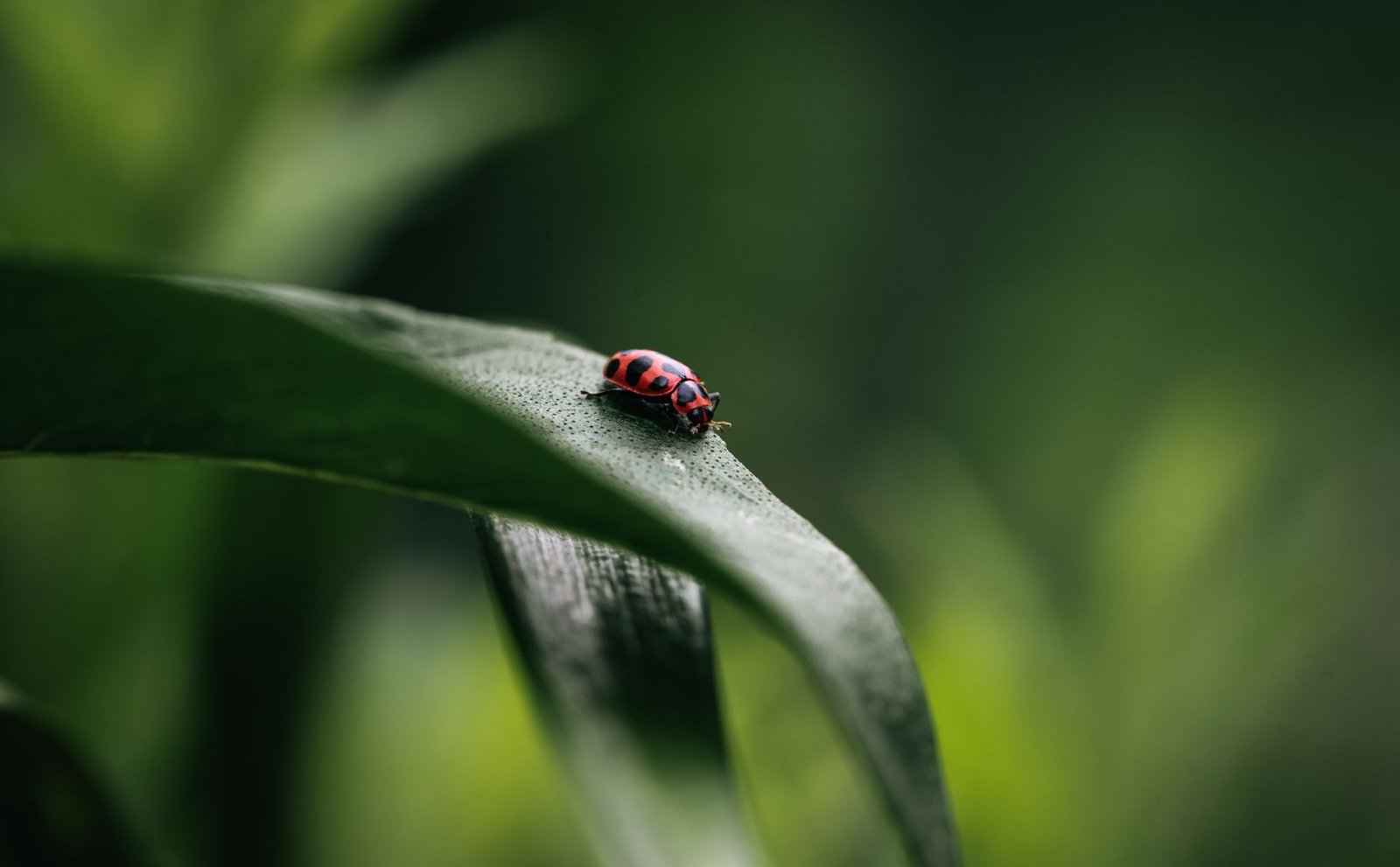
Maintaining a vibrant, healthy garden is a rewarding endeavor, yet it often presents the challenge of managing unwelcome garden pests. This article provides detailed, organic, and highly effective strategies for the removal and prevention of five of the most common garden pests homeowners are likely to encounter in 2026. The shift towards sustainable practices continues to gain momentum, making organic pest management not just an ethical choice but a widely supported and effective one.
Understanding the 2026 Organic Pest Management Landscape
The year 2026 marks a significant advancement in organic pest control, moving beyond basic home remedies to incorporate sophisticated, nature-based solutions. Modern approaches emphasize a holistic understanding of the garden ecosystem, leveraging scientific breakthroughs in biological controls, plant science, and intelligent monitoring systems. Industry trends highlight an increased availability of targeted beneficial insects, advanced microbial pesticides, and smart gardening technologies that enable proactive pest detection.
Emphasis is placed on building a resilient garden from the soil up. Healthy soil, rich in organic matter and beneficial microorganisms, fosters stronger plants that are naturally more resistant to pest infestations. Furthermore, the accessibility of precise, environmentally benign products has expanded, allowing the homeowner to tackle pest issues with greater efficacy and peace of mind.
Five Common Garden Pests and Their Organic Solutions for 2026
Effective organic pest management begins with accurate identification and understanding the lifecycle of the intruder. The following outlines five prevalent garden pests and their contemporary organic management strategies.
1. Aphids
Aphids are small, soft-bodied insects that feed on plant sap, often clustering on new growth and the undersides of leaves. Their feeding can lead to stunted growth, distorted leaves, and the excretion of sticky honeydew, which can encourage sooty mold.
- Organic Removal Techniques:
For small infestations, a strong stream of water from a hose can dislodge aphids from plants. Insecticidal soaps, specifically formulated for organic gardening, remain highly effective and should be applied directly to the pests, ensuring thorough coverage of all affected plant parts. In 2026, there is an increased availability of advanced neem oil formulations that act as an anti-feedant and growth disruptor. For larger outbreaks, the immediate release of beneficial insects such as ladybugs or lacewing larvae, which are now more readily available through specialized suppliers, provides rapid biological control.
- Organic Prevention Techniques:
Encourage natural predators by planting nectar-rich flowers nearby. Companion planting with herbs like chives or garlic can deter aphids. Regular inspection of plants, particularly new growth, allows for early intervention. For high-value crops, installing fine mesh row covers can physically exclude these pests.
2. Slugs and Snails
These mollusks are notorious for chewing irregular holes in leaves, especially on young seedlings and tender greens. They are most active during damp conditions and at night, leaving behind a tell-tale slime trail.
- Organic Removal Techniques:
Hand-picking remains a simple and effective method, particularly during evening hours. Setting beer traps or deploying commercial slug and snail baits made from iron phosphate (a non-toxic substance to pets and wildlife) are proven strategies. New biodegradable slug traps utilizing fermented attractants are also gaining popularity in 2026 for their reduced environmental footprint.
- Organic Prevention Techniques:
Reduce habitat by removing debris and keeping garden beds tidy. Improve drainage and avoid overwatering, as slugs and snails thrive in moist environments. Barriers such as copper tape around raised beds or diatomaceous earth sprinkled around vulnerable plants can deter their movement. Introducing predatory nematodes to the soil can also help control slug populations.
3. Spider Mites
Barely visible to the naked eye, spider mites cause damage by sucking sap from plant cells, leading to stippling (tiny yellow or white dots) on leaves, which can eventually turn bronze or yellow. Heavy infestations result in fine webbing on plants.
- Organic Removal Techniques:
Regular forceful sprays of water can dislodge mites and disrupt their life cycle. Organic horticultural oils or insecticidal soaps, applied thoroughly to both the top and underside of leaves, are effective contact killers. The strategic release of predatory mites (e.g., Phytoseiulus persimilis) offers a highly targeted and efficient biological control, a practice that has become more refined and accessible in 2026.
- Organic Prevention Techniques:
Maintaining good plant hygiene and proper humidity levels can deter spider mites. Inspecting new plants before introducing them to the garden prevents new infestations. Certain companion plants, like cilantro or dill, can attract beneficial insects that prey on mites.
4. Cabbage Worms (Imported Cabbageworm)
These green, velvety caterpillars are the larvae of small white butterflies and are a common scourge of brassicas (cabbage, broccoli, kale). They chew large, ragged holes in leaves and can bore into heads.
- Organic Removal Techniques:
Hand-picking caterpillars from affected plants is highly effective. Application of Bacillus thuringiensis (Bt), a naturally occurring soil bacterium, is a selective and potent organic pesticide that specifically targets caterpillars without harming beneficial insects. Newer formulations of Bt available in 2026 offer enhanced stability and shelf-life, improving efficacy.
- Organic Prevention Techniques:
The use of floating row covers immediately after planting can physically exclude the cabbage white butterflies from laying eggs. Crop rotation helps to break pest cycles. Planting trap crops, such as mustard greens, can divert pests away from main crops. Regular monitoring for the distinctive white butterflies can aid in early intervention.
5. Squash Bugs
Squash bugs are true bugs that primarily attack squash, pumpkins, and other cucurbits. Adults and nymphs suck sap from leaves, causing yellow spots that eventually turn brown and crispy. Severe infestations can lead to wilting and death of entire plants.
- Organic Removal Techniques:
Hand-picking adult bugs and crushing egg clusters (found on the undersides of leaves, typically in angular clusters) are crucial steps. A strong vacuum cleaner attachment can be used for rapid removal of adults and nymphs. Insecticidal soaps can be effective on young nymphs but have limited impact on mature adults.
- Organic Prevention Techniques:
Sanitation is key; remove plant debris at the end of the season to eliminate overwintering sites. Crop rotation is vital to prevent repeat infestations in the same area. Planting resistant squash varieties, where available, can significantly reduce pressure. Utilizing companion plants like marigolds or nasturtiums can act as deterrents or trap crops.
Proactive Organic Strategies for a Pest-Resilient Garden in 2026
Beyond addressing existing infestations, establishing a pest-resilient garden involves a suite of proactive measures:
- Biodiversity Enhancement: Plant a diverse array of species to attract and support beneficial insects and birds, which naturally predate on pests. Incorporate native plants to create a balanced ecosystem.
- Soil Health Optimization: Focus on building rich, living soil through composting, mulching, and avoiding synthetic fertilizers. Healthy soil translates to robust plants better equipped to withstand pest attacks. Modern soil amendments in 2026 often include specific microbial inoculants designed to boost plant immunity.
- Smart Monitoring and Early Detection: The integration of smart garden technology, such as AI-powered cameras and sensor systems, allows for early identification of pest incursions, providing localized alerts and enabling prompt organic treatment before infestations escalate.
- Physical Barriers: Employ floating row covers, netting, or horticultural fleece to protect vulnerable plants from flying insects laying eggs.
- Water Management: Practice efficient irrigation techniques to minimize humidity, which can favor certain pests like slugs and snails, while ensuring plants receive adequate moisture to thrive.
- Crop Rotation: Regularly rotate crops to prevent the build-up of pest populations specific to certain plant families in the same area year after year.
Embracing organic pest control is a commitment to ecological balance and sustainable gardening. By implementing these modern, organic strategies in 2026, the homeowner can cultivate a thriving garden that is both beautiful and resilient against common garden pests, fostering a healthier environment for all.