
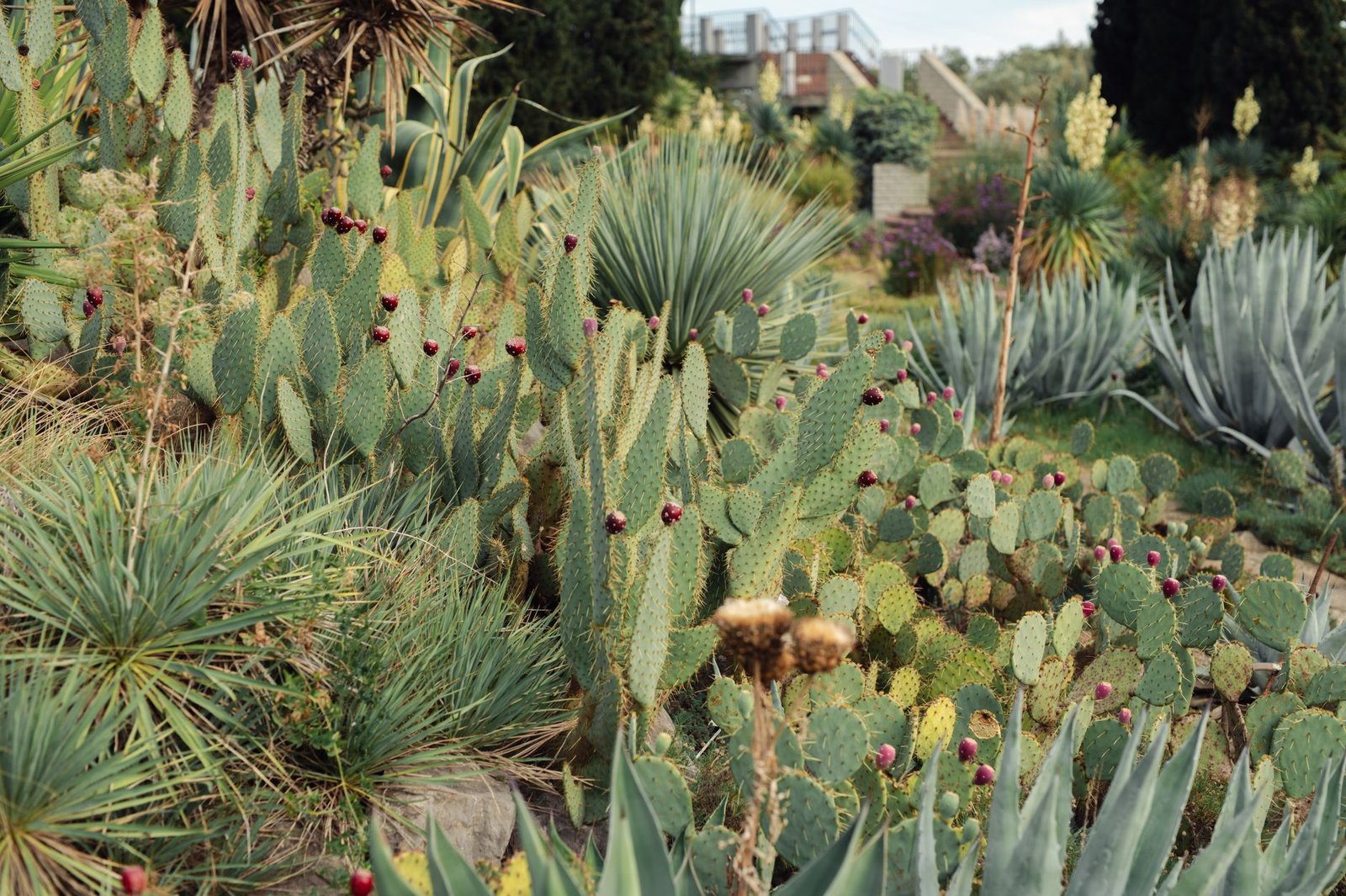
The selection of appropriate drought-tolerant shrubs is paramount for establishing a successful low-water landscape. In 2026, leading choices for sustainable, resilient gardens include robust Mediterranean natives such as Lavender and Rosemary, alongside Australian and North American varieties like Grevillea and Manzanita. These selections deliver exceptional aesthetic value and ecological benefits, significantly reducing irrigation requirements for the modern homeowner.
As environmental consciousness deepens and water resources face increasing pressure, low-water landscaping, often termed xeriscaping, has evolved from a niche practice into a mainstream imperative. This guide from Basisblog highlights the most effective and aesthetically pleasing drought-tolerant shrubs engineered to thrive in contemporary low-water designs, considering advancements in plant science and sustainable landscaping practices for the current year.
Understanding Low-Water Landscaping in 2026
Low-water landscaping in 2026 transcends simple plant selection; it encompasses an integrated design philosophy focused on water efficiency without compromising beauty or functionality. This modern approach prioritizes ecological balance, biodiversity, and long-term sustainability.
Evolution of Xeriscaping
The concept of xeriscaping has matured beyond merely planting cacti and succulents. Contemporary low-water landscapes are vibrant, diverse ecosystems that support local wildlife, offer year-round visual interest, and provide comfortable outdoor living spaces. Plant breeders and horticulturalists continue to develop new cultivars with enhanced drought resistance, disease immunity, and extended bloom periods, offering homeowners unprecedented choices for resilient gardens.
Water Conservation Imperatives and Technology
Water scarcity remains a critical global concern. Adopting low-water landscaping not only reduces utility bills but also plays a vital role in regional water conservation efforts. For 2026, the integration of smart irrigation systems—featuring weather sensors, soil moisture probes, and AI-driven scheduling—has become standard practice, optimizing water delivery precisely when and where it is needed. Additionally, advancements in soil amendments, such as slow-release hydrogels and biochar, are increasingly employed to improve water retention and soil health, further reducing the need for supplemental irrigation.
Top Drought-Tolerant Shrubs for Sustainable Gardens
Selecting the right shrubs is foundational to a thriving low-water landscape. The following varieties are celebrated for their resilience, beauty, and adaptability in 2026’s garden designs.
Mediterranean Marvels
- Rosemary (Rosmarinus officinalis): This aromatic evergreen shrub is a staple in dry landscapes. Known for its fragrant foliage and delicate blue flowers, Rosemary is exceptionally drought-tolerant once established. It thrives in full sun and well-drained soil, making it a versatile choice for borders, rock gardens, or as a culinary accent.
- Lavender (Lavandula angustifolia and stoechas): Beloved for its distinctive fragrance and vibrant purple blooms, Lavender is another Mediterranean classic. It attracts pollinators and requires minimal water once established. Varieties like English Lavender (L. angustifolia) and French Lavender (L. stoechas) offer different bloom times and forms, all adapted to arid conditions.
- Rockrose (Cistus spp.): Offering striking, paper-thin blooms in white, pink, or purple, Rockroses are fast-growing, evergreen shrubs perfectly suited for Mediterranean climates. They tolerate poor soils and salt spray, providing excellent texture and color with minimal water.
North American Natives
- Manzanita (Arctostaphylos spp.): Native to dry regions of North America, Manzanita shrubs are admired for their smooth, mahogany-colored bark and intricate branching patterns. These evergreen plants boast small bell-shaped flowers and attractive berries, thriving in full sun and fast-draining soils with very little supplemental water.
- Texas Sage (Leucophyllum frutescens): This tough native offers silvery-green foliage and produces showy purple-pink flowers, often blooming after rainfall, hence its common name. Texas Sage is incredibly heat and drought tolerant, making it ideal for arid and semi-arid regions.
- California Lilac (Ceanothus spp.): Known for its spectacular clusters of blue flowers, California Lilac encompasses a wide range of forms, from groundcovers to large shrubs. Many varieties are incredibly drought-tolerant and contribute to soil health by fixing nitrogen, thriving in sunny, well-drained locations.
Global Gems and Contemporary Choices
- Bottlebrush (Callistemon spp.): Hailing from Australia, Bottlebrush shrubs are named for their unique, brush-like red flowers that attract hummingbirds. They are remarkably adaptable to various soil types and tolerate significant periods of drought once mature, offering bold visual impact.
- Grevillea (Grevillea spp.): Another Australian native, Grevillea offers an incredible diversity of forms and unusual, often spidery, flowers in shades of red, orange, and yellow. Many species are exceptionally drought-tolerant, require minimal phosphorus fertilization, and are excellent for attracting pollinators.
- Littleleaf Cordia (Cordia parvifolia): A highly desert-adapted shrub, Littleleaf Cordia features small, dense foliage and clusters of delicate white flowers. It is excellent for xeriscapes, providing a fine texture and robust performance in hot, dry climates.
Integrating Drought-Tolerant Shrubs into Modern Designs
Successful low-water landscaping in 2026 involves thoughtful design that considers aesthetics, functionality, and sustainability. The integration of drought-tolerant shrubs should be seamless and intentional.
Aesthetic Considerations and Layering
When designing with drought-tolerant shrubs, the homeowner should consider texture, color, and form to create visual interest throughout the year. Grouping plants with similar water needs (hydrozoning) simplifies irrigation. Layering shrubs of varying heights—from low-growing groundcovers to medium-sized specimens—adds depth and mimics natural plant communities, contributing to a more dynamic and ecologically rich landscape.
Companion Planting and Hardscaping
Pairing drought-tolerant shrubs with complementary low-water perennials, grasses, and groundcovers enhances biodiversity and aesthetic appeal. Furthermore, integrating sustainable hardscaping materials, such as permeable pavers made from recycled aggregates, decorative gravel, and natural stone, can significantly reduce water use while defining spaces and pathways. These modern materials not only minimize runoff but also contribute to the overall environmental performance of the landscape.
Maintenance and Long-Term Success
While drought-tolerant shrubs are inherently low-maintenance, a few key practices ensure their long-term health and vitality.
Establishment and Mulching
The initial establishment period for newly planted shrubs is crucial. During this phase, consistent, albeit reduced, supplemental watering is necessary to encourage deep root growth. Once established, these shrubs require minimal irrigation. Applying a generous layer of organic mulch—such as shredded bark, wood chips, or compost—around plants is vital. Mulch conserves soil moisture, suppresses weeds, regulates soil temperature, and enriches the soil as it decomposes, significantly reducing the need for frequent watering.
Pruning and Soil Health
Pruning should focus on maintaining the plant’s natural form, removing dead or diseased branches, and encouraging healthy growth. For many drought-tolerant shrubs, light pruning after flowering is sufficient. Ensuring excellent soil drainage is paramount; most drought-tolerant plants prefer sandy or rocky soils and are susceptible to root rot in waterlogged conditions. Amending heavy clay soils with organic matter and grit can improve drainage and aeration, fostering a healthier root environment.
The selection and integration of drought-tolerant shrubs are essential components of sustainable landscaping in 2026. By choosing resilient species and implementing thoughtful design and maintenance practices, homeowners can create stunning, water-wise gardens that are both environmentally responsible and enduringly beautiful. These carefully chosen shrubs offer a harmonious blend of ecological benefit, visual appeal, and ease of care, representing the future of responsible garden design.