
The challenge of managing sentimental items without succumbing to clutter is a common dilemma for residents. In 2026, preserving cherished memories while maintaining a serene and organized living space is more achievable than ever, thanks to innovative strategies and evolving home organization philosophies. This article will explore seven compassionate and practical methods for organizing sentimental clutter, empowering the homeowner to honor their past without feeling overwhelmed by an accumulation of possessions.
Understanding Sentimental Clutter in 2026
The Emotional Connection
Sentimental items, from inherited heirlooms to childhood mementos, often carry profound emotional weight. These objects serve as tangible links to personal history, significant relationships, and cherished experiences. For many residents, the thought of parting with such items can evoke feelings of guilt, loss, or a fear of forgetting. The connection is not merely to the object itself, but to the memories and emotions it represents, making decluttering a nuanced and often challenging process.
Modern Decluttering Philosophies
Current home organization trends in 2026 emphasize a shift from rigid minimalism to mindful curation. The focus is less on eliminating possessions entirely and more on creating intentional spaces that reflect personal values and promote well-being. This approach recognizes the importance of sentimental items, advocating for systems that integrate them thoughtfully into the home environment rather than simply removing them. The goal is to achieve domestic comfort where memories are celebrated, not hidden or creating chaos.
7 Clever Strategies for Sentimental Organization
-
The “Memory Box” System
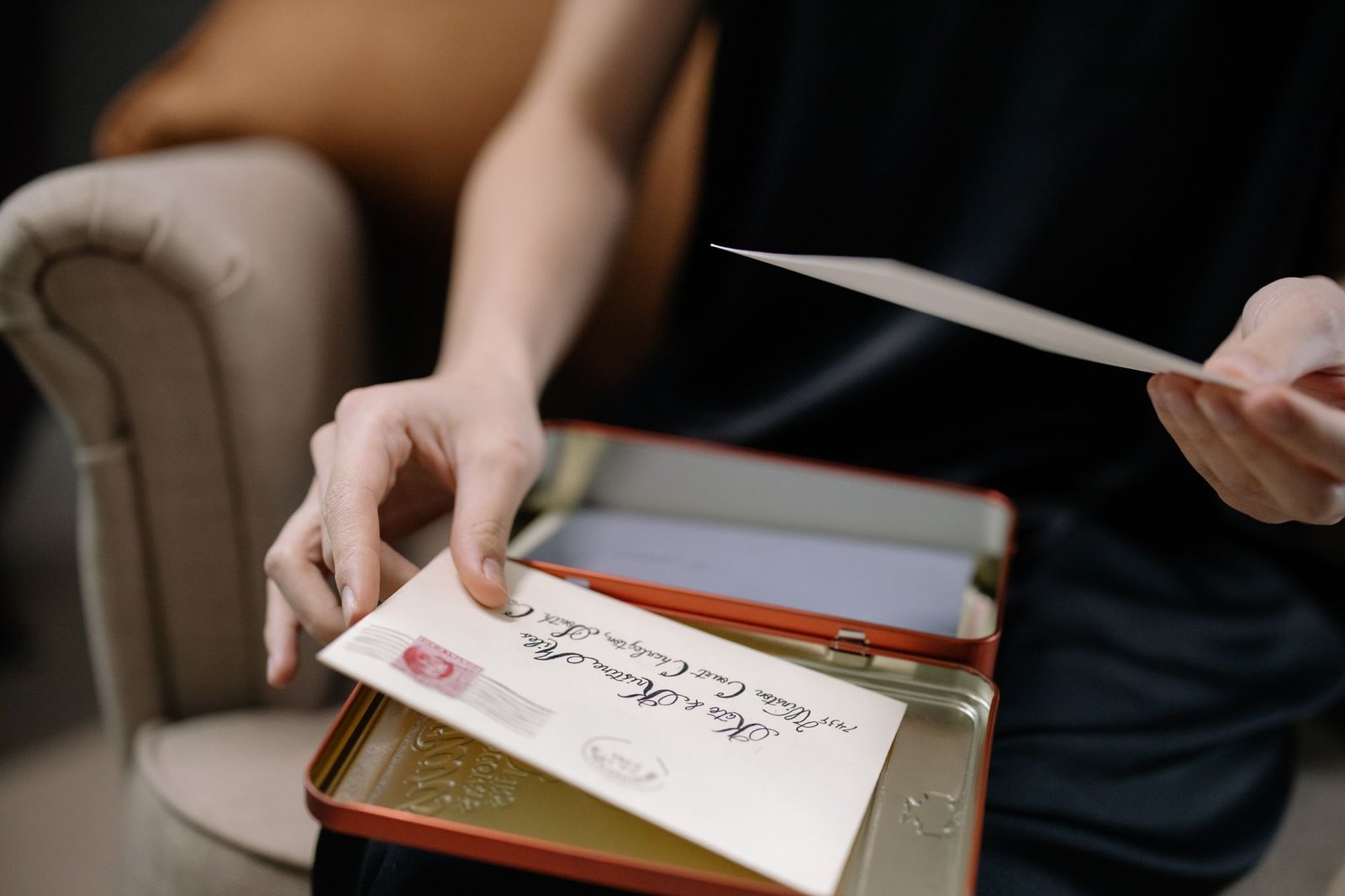
One highly effective strategy involves designating a specific “memory box” or container for each major life stage or relationship. This system allows the resident to collect and contain items that hold significant meaning, preventing them from scattering throughout the home. In 2026, these boxes can be stylishly designed from sustainable materials like recycled wood fibers or plant-based composites, offering both aesthetic appeal and environmental responsibility. The process involves selecting only the most potent symbols of a memory, ensuring the box remains manageable and becomes a curated collection rather than a random repository. Periodically, the homeowner can revisit the box, appreciating its contents and reaffirming its purpose.
-
Digital Archiving: Preserving Legacies
Leveraging 2026’s advanced technology offers a powerful solution for sentimental items that are not suitable for physical display or storage, or for those whose physical presence is not essential. Digital archiving transforms photographs, letters, children’s artwork, and even three-dimensional objects into high-resolution digital files. Services specializing in professional scanning and photographic documentation can meticulously capture these items. Files can then be stored securely in cloud-based platforms, accessible from anywhere, or on robust solid-state drives. AI-powered organization tools simplify sorting and retrieval, allowing the resident to create virtual albums and timelines, thus preserving the essence of the memory without physical clutter. This trend aligns with the increasing digital footprint of modern living.
-
The “One In, One Out” Rule for Keepsakes
For categories of sentimental items that are prone to continuous accumulation, such as greeting cards, small gifts, or children’s school projects, implementing a “one in, one out” rule can be remarkably effective. When a new item arrives that the resident wishes to keep for sentimental reasons, an older, less impactful item from the same category must be respectfully retired or re-homed. This strategy fosters continuous curation and prevents an unmanageable build-up. It encourages the homeowner to regularly assess the emotional weight of their possessions, ensuring that only the most significant items retain a place in their collection.
-
Curated Display: Artful Integration
Instead of relegating sentimental items to dusty corners, residents can integrate them artfully into their home décor. This approach transforms memories into conversation starters and decorative focal points. Consider using shadow boxes for displaying small collections, creating gallery walls with framed letters and photographs, or utilizing elegant étagères for showcasing select figurines or small heirlooms. The key is thoughtful placement and grouping, ensuring that each displayed item enhances the room’s aesthetic rather than contributing to visual noise. Modern interior design in 2026 often incorporates minimalist display solutions, using transparent acrylic or sleek metal shelving to highlight individual pieces.
-
Rotate and Reflect: Seasonal Storage
Not every sentimental item needs to be on permanent display or readily accessible. A “rotate and reflect” system involves storing certain sentimental collections in dedicated, climate-controlled storage containers – perhaps made from breathable, sustainable linen or recycled PET felt – and cycling them into prominence at various times of the year. For instance, holiday decorations, seasonal photographs, or specific family memorabilia can be brought out during relevant periods. This keeps the home uncluttered while allowing for periodic enjoyment and remembrance. The act of rotating items also provides an opportunity for the resident to re-evaluate their attachment to each piece, making conscious decisions about its continued place in the collection.
-
The “Legacy Letter” Approach
For items that carry significant historical or relational importance, but which the homeowner does not wish to physically retain, the “legacy letter” offers a poignant alternative. This involves writing a letter detailing the item’s history, its significance, and the memories it evokes. The letter itself then becomes the preserved memory, perhaps stored in a digital archive or a dedicated legacy journal, while the physical item can be respectfully passed on, donated, or disposed of. This method allows the resident to honor the item’s story and its emotional impact without the burden of its physical presence, proving that the narrative often holds more value than the object.
-
Sustainable Disposal and Gifting
When an item’s purpose has been served, or its emotional resonance has faded, respectful and sustainable disposal or re-homing is crucial. Instead of simply discarding, consider methods that align with 2026’s emphasis on circularity and ethical consumption. Items in good condition can be donated to charitable organizations, offered to family members or friends who might appreciate their historical value, or even sold through online marketplaces specializing in vintage or antique goods. For items beyond repair, explore recycling options for specific materials. The goal is to ensure the item’s journey ends responsibly, minimizing waste and potentially extending its story with a new owner.
Innovative Storage Solutions for 2026
Smart Storage Technology
The year 2026 brings an array of smart storage solutions designed to optimize organization. Integrated home systems now offer inventory tracking for stored items, utilizing miniature RFID tags or QR codes linked to a digital database accessible via a smartphone app. This allows the homeowner to quickly locate specific sentimental items without rummaging through multiple boxes. Climate-controlled storage units, both within the home and in external facilities, are becoming more sophisticated, employing advanced sensors to protect delicate memorabilia from humidity and temperature fluctuations, ensuring their longevity.
Eco-Conscious Materials
Beyond functionality, the materials used for storage in 2026 reflect a strong commitment to environmental sustainability. Manufacturers are increasingly utilizing renewable resources like fast-growing bamboo, recycled ocean plastics, and even mycelium (mushroom-based composites) for storage bins and archival boxes. These materials offer durability, aesthetic appeal, and biodegradability or recyclability at the end of their lifecycle. Opting for such solutions supports eco-friendly practices while providing secure and attractive containment for cherished possessions.
Organizing sentimental clutter is not about erasing memories, but about curating a harmonious living environment where those memories can thrive without overwhelming the space. By adopting these seven clever strategies and embracing the innovative storage solutions available in 2026, residents can achieve a profound sense of domestic comfort. The homeowner can celebrate their personal history and emotional connections, fostering an organized, beautiful, and guilt-free home.