
The year 2026 marks a renewed appreciation for integrating functionality with aesthetics in outdoor spaces, and edible flowers stand at the forefront of this movement. Homeowners are increasingly seeking ways to enhance garden beauty while simultaneously providing fresh, flavorful ingredients for the kitchen. This article will explore seven popular and straightforward edible flowers that promise to transform any 2026 home garden into a vibrant, productive, and utterly delightful landscape. These botanical gems offer a dual purpose, delivering stunning visual appeal alongside unique culinary notes, making them essential additions for the discerning gardener.
Beyond the Plate: The Rise of Edible Landscaping in 2026
The convergence of aesthetic appeal and sustainable food sourcing defines a significant trend in 2026 gardening. Edible landscaping, once a niche practice, has become a mainstream desire, driven by factors such as a focus on local food systems, a desire for fresh, organic ingredients, and the undeniable charm these plants bring to outdoor living areas. Modern horticultural advancements and innovative design approaches are making it easier than ever for residents to cultivate beautiful, productive gardens. From smart irrigation systems utilizing recycled water to biodegradable planting materials, the tools available in 2026 support a highly efficient and environmentally conscious approach to garden design. Furthermore, the principles of biophilic design are encouraging the integration of edible elements not just in dedicated garden plots, but also within ornamental borders and container arrangements, blurring the lines between beauty and utility.
Seven Essential Edible Flowers for the 2026 Home Garden
Cultivating a diverse array of edible flowers offers both visual splendor and a palette of intriguing flavors. The following selections are chosen for their ease of growth, widespread availability, and versatility in both garden design and culinary applications.
Nasturtium (Tropaeolum majus)
- Visual Appeal: Bright, cheerful flowers in shades of yellow, orange, and red; attractive lily-pad-like leaves. Available in trailing, mounding, and compact varieties, suitable for various garden styles.
- Culinary Use: Both flowers and leaves are edible, offering a distinctive peppery, slightly spicy flavor. Excellent in salads, sandwiches, and as a colorful garnish for savory dishes. Pickled nasturtium seeds, often called “poor man’s capers,” are a gourmet treat.
- Growing Tips: Thrives in full sun to partial shade and well-drained soil. Prefers moderate watering. Known for deterring certain pests, making them a valuable companion plant. Consider compact 2026 varieties bred for container gardening.
Calendula (Calendula officinalis)
- Visual Appeal: Golden-yellow to vibrant orange daisy-like blooms that brighten any garden space. Petals have a lovely texture.
- Culinary Use: Possesses a mild, slightly peppery or tangy flavor, sometimes described as subtly bitter. Petals can be used fresh in salads, baked into bread, or dried to add color to rice and egg dishes. Often called “poor man’s saffron” for its ability to tint foods.
- Growing Tips: Easy to grow from seed, preferring full sun and well-drained soil. Deadheading encourages continuous blooming throughout the season. Newer disease-resistant cultivars are ideal for the 2026 gardener.
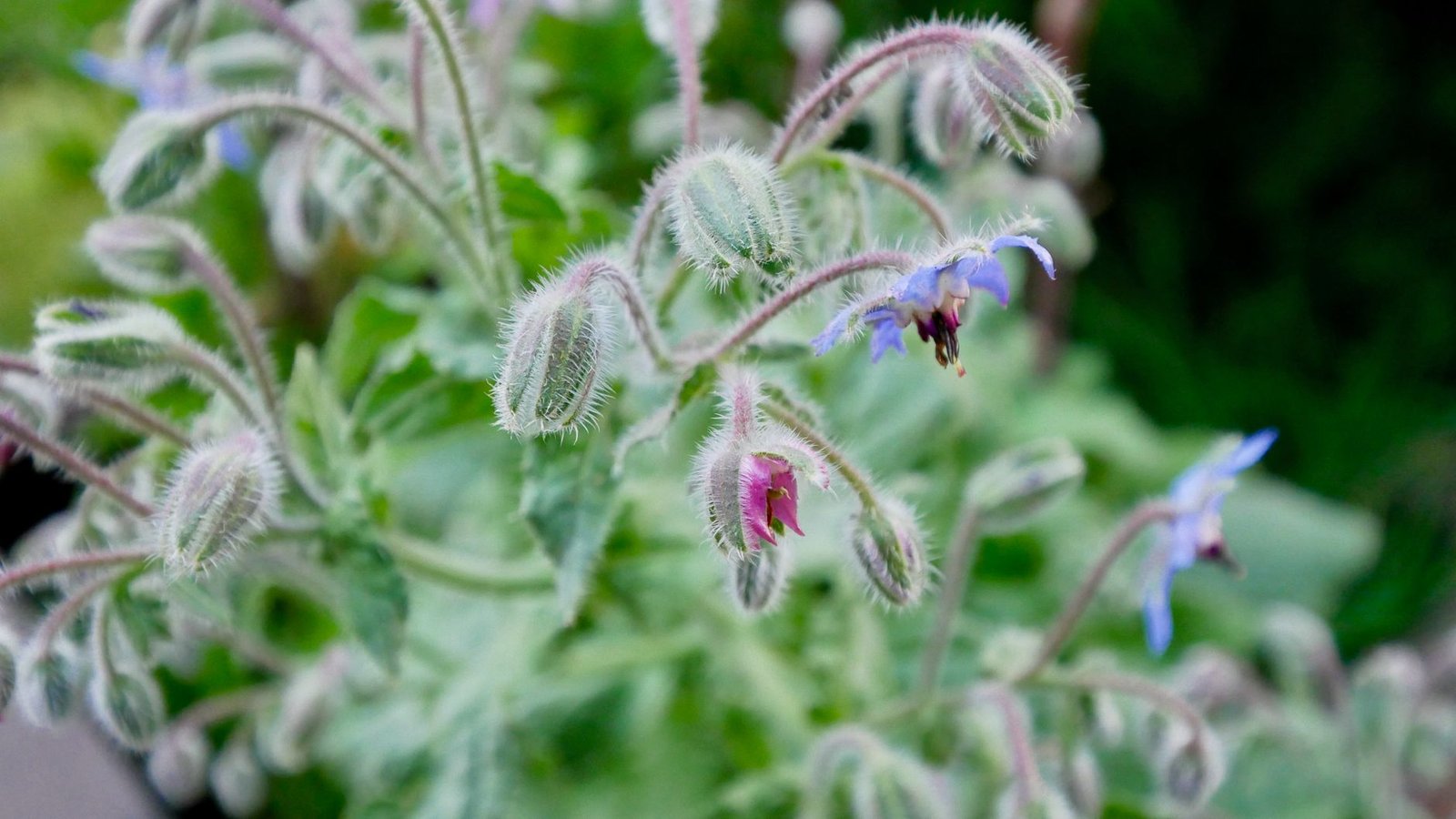
Borage (Borago officinalis)
- Visual Appeal: Striking, star-shaped true-blue flowers that dangle delicately. Its fuzzy leaves add a unique texture to the garden. Highly attractive to pollinators.
- Culinary Use: Both flowers and young leaves carry a refreshing cucumber-like flavor. Flowers make an elegant garnish for cocktails, salads, and desserts. Leaves can be used in summer drinks, soups, or even tempura.
- Growing Tips: A vigorous annual that self-seeds readily. Prefers full sun and well-drained soil. Tolerant of various conditions once established. An excellent companion for tomatoes and strawberries.
Pansy & Viola (Viola x wittrockiana & Viola cornuta)
- Visual Appeal: Iconic “faces” with a vast spectrum of colors and patterns, from vibrant purples and yellows to delicate pastels. Violas are smaller but often more prolific.
- Culinary Use: Possess a mild, slightly sweet, or grassy flavor. Primarily used for stunning visual appeal in culinary applications, perfect for decorating cakes, pastries, salads, and fruit platters.
- Growing Tips: Best grown in partial shade in warmer climates or full sun in cooler regions. Prefers consistently moist, rich soil. Excellent for containers, window boxes, and as ground cover. The 2026 market offers many long-blooming, heat-tolerant varieties.
Dianthus (Dianthus caryophyllus, specifically varieties like ‘Pinks’)
- Visual Appeal: Charming, often frilly petals in shades of pink, white, and red, frequently with contrasting markings. Many emit a lovely clove-like fragrance.
- Culinary Use: The petals have a distinct spicy, clove-like flavor, making them ideal for infusing simple syrups, flavoring desserts, or garnishing fruit salads. Only the petals should be consumed, as the white heel at the base can be bitter.
- Growing Tips: Requires full sun and alkaline, well-drained soil. Deadheading prolongs bloom time. Look for perennial varieties that offer multi-season interest in the 2026 garden.
Lavender (Lavandula angustifolia)
- Visual Appeal: Iconic purple spikes and silvery-green foliage, instantly recognizable and highly aromatic. Creates a calming ambiance.
- Culinary Use: Offers a unique floral, slightly sweet, and herbaceous flavor. Used sparingly, it enhances desserts, beverages (lemonade, tea), roasted meats, and herbes de Provence blends. Essential for floral shortbread or infused honey.
- Growing Tips: Thrives in full sun and very well-drained soil; intolerant of wet feet. Drought-tolerant once established. Pruning after flowering maintains shape and encourages new growth. New compact English lavender cultivars are ideal for smaller 2026 spaces.
Rose (Rosa species – specific edible varieties)
- Visual Appeal: Timeless beauty in an incredible array of colors, forms, and fragrances. From delicate miniatures to grand climbers, roses offer unparalleled elegance.
- Culinary Use: Petals are primarily used, offering a fragrant, often subtly fruity or spicy flavor. Ideal for rosewater, jams, jellies, infused sugars, and as a stunning garnish. Ensure pesticide-free cultivation. Varieties like Rosa rugosa are particularly prized for their large, edible hips and fragrant petals.
- Growing Tips: Requires full sun, rich, well-drained soil, and consistent moisture. Specific care varies by variety. For edible use, select disease-resistant, fragrant varieties and avoid systemic pesticides. 2026 offers many sustainably bred roses with improved disease resistance.
Cultivating Culinary Blooms: Tips for a Thriving Edible Garden
Successful cultivation of edible flowers relies on a few fundamental practices:
- Organic Practices are Paramount: For any flower destined for the plate, it is crucial to avoid synthetic pesticides, herbicides, and chemical fertilizers. The resident should opt for organic soil amendments, compost, and natural pest control methods.
- Proper Identification: Always be 100% certain of a plant’s identity before consumption. Some ornamental flowers are toxic. When in doubt, do not consume.
- Harvesting for Flavor: Generally, flowers are best harvested in the cool morning after the dew has dried. Select fresh, fully open blooms that are free from blemishes.
- Sunlight and Soil: Most edible flowers prefer full sun (at least 6 hours daily) and well-drained, fertile soil. Adapting to specific plant needs is key.
- Watering Wisely: Utilize 2026 smart irrigation solutions like drip systems or soil moisture sensors to ensure efficient water use, delivering hydration directly to the root zone and minimizing waste.
- Deadheading: Regularly removing spent blooms encourages the plant to produce more flowers, extending the harvest period.
Sustainable Practices and Future-Forward Gardening in 2026
The 2026 garden embraces sustainability as a core principle. Residents are increasingly integrating practices that benefit both the environment and the garden’s longevity. This includes employing water-saving techniques such as rainwater harvesting and utilizing advanced, hyper-local weather forecasting for irrigation scheduling. Material innovation also plays a role, with compostable seed starting trays and planters made from recycled plastics or bio-based composites becoming standard. Furthermore, selecting native edible flowers and prioritizing heirloom or regionally adapted varieties enhances biodiversity and promotes resilience against local pests and diseases. The use of innovative vertical gardening systems, even for some edible flowers, is gaining traction in urban environments, maximizing space and bringing fresh produce closer to the kitchen. Embracing these forward-thinking approaches ensures a beautiful, productive, and environmentally responsible garden for years to come.
Conclusion
Transforming a garden into a culinary and aesthetic masterpiece is an achievable goal for any homeowner in 2026. By incorporating these seven versatile edible flowers, the resident not only elevates the visual appeal of their outdoor space but also unlocks a new dimension of flavor for their dishes. From vibrant nasturtiums to fragrant roses, these blooms invite experimentation and connection with nature, proving that a truly beautiful garden is one that nourishes the soul, the eyes, and the palate.