
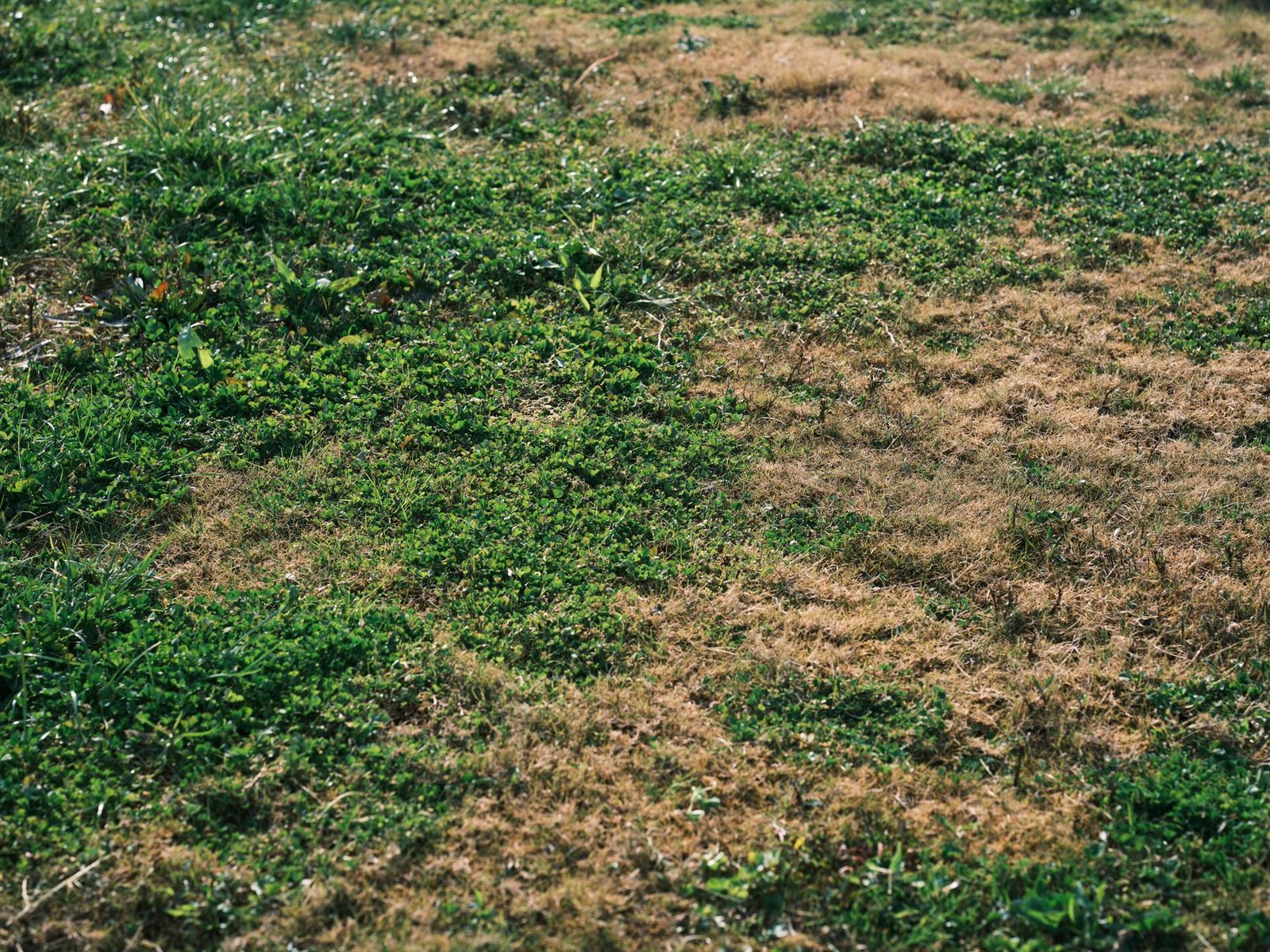
A weed-infested lawn can be a source of frustration for the homeowner, but achieving a lush, green turf without chemical intervention is entirely possible in 2026. This article outlines five effective organic strategies to transform problematic lawns into vibrant, healthy spaces, aligning with modern eco-conscious landscaping principles.
Understanding the Organic Lawn Approach in 2026
In 2026, the shift towards sustainable living extends prominently into landscape management. Homeowners are increasingly seeking alternatives to synthetic herbicides and fertilizers, driven by environmental awareness and a desire for safer outdoor environments for families and pets. Organic lawn care is not merely a trend; it is a foundational philosophy that promotes the overall health and resilience of the turf ecosystem.
The 2026 Landscape: Beyond Chemicals
Contemporary landscape design emphasizes holistic health. This means fostering a robust soil microbiome, selecting appropriate grass species, and implementing preventative measures rather than reactive chemical treatments. The market for organic lawn solutions has expanded significantly, offering advanced bio-stimulants, precision application tools, and smart irrigation technologies that support this natural approach.
Strategy 1: Optimize Mowing and Watering Practices
Proper cultural practices are the first line of defense against weeds. Adjusting mowing height and ensuring efficient irrigation are critical.
Mowing for Weed Suppression
- Raise Mowing Height: Maintaining a grass height of 3-4 inches encourages deeper root growth and shades out weed seeds, inhibiting their germination. Scalping the lawn weakens the grass and invites weed intrusion.
- Sharp Blades are Essential: Dull mower blades tear grass, leaving it susceptible to disease and stress. Regular sharpening, ideally before each mowing season and every few weeks during peak growth, promotes a clean cut and healthier turf. Many 2026 robotic mowers now feature self-sharpening or easily replaceable blade cartridges, simplifying this task for the resident.
Smart Watering for a Stronger Lawn
- Deep and Infrequent Watering: Encourage deep root growth by watering deeply but less frequently. Aim for 1 inch of water per week, applied in one or two sessions, depending on soil type and climate.
- Utilize Smart Irrigation Systems: Modern irrigation controllers, often integrated with AI and local weather data, precisely deliver water where and when it is needed, minimizing waste and preventing conditions favorable for weeds. These 2026 systems can even detect soil moisture levels and adjust schedules automatically.
Strategy 2: Cultivate Superior Soil Health
A healthy lawn begins with healthy soil. Optimizing soil composition creates an environment where desirable grasses thrive, and weeds struggle.
The Role of Soil Testing and Amendments
Understanding soil pH and nutrient levels is fundamental. The homeowner should conduct a soil test every 2-3 years. Based on the results, organic amendments like compost, aged manure, or balanced organic fertilizers can be applied. In 2026, advanced DIY soil testing kits offer smartphone integration for instant analysis and personalized recommendations.
Aeration and Dethatching for Vitality
- Core Aeration: This process involves removing small plugs of soil, alleviating compaction, and allowing air, water, and nutrients to reach the grass roots more effectively. It is particularly beneficial for high-traffic areas. Robotic aerators are emerging as an innovative solution for homeowners seeking automated soil improvement.
- Dethatching: Excessive thatch (a layer of dead grass and organic matter between the soil surface and green blades) can harbor pests and diseases while impeding water and nutrient penetration. Dethatching when the thatch layer exceeds half an inch improves overall lawn health.
Strategy 3: Strategic Seeding and Overseeding
A dense, healthy turf leaves little room for weeds to establish themselves.
Choosing the Right Grass Species
Selecting grass varieties well-suited to the local climate, sun exposure, and soil conditions is paramount. In 2026, seed suppliers offer increasingly resilient, disease-resistant, and drought-tolerant blends, often incorporating beneficial endophytic fungi that enhance plant vigor and pest resistance naturally.
Overseeding for Density
Overseeding in late summer or early fall (for cool-season grasses) or late spring/early summer (for warm-season grasses) fills in thin spots and introduces new, robust grass plants. This increases turf density, effectively outcompeting weeds for light, water, and nutrients. Ensuring good seed-to-soil contact is crucial for germination success.
Strategy 4: Implement Targeted Organic Weed Control
Even with excellent cultural practices, some weeds will inevitably appear. Organic methods provide effective solutions without harsh chemicals.
Manual Removal and Spot Treatments
- Hand-Weeding: For smaller infestations or persistent weeds, manual removal remains highly effective. Weeding tools designed for ergonomic use make this task less arduous. It is most effective when the soil is moist.
- Horticultural Vinegar: For broadleaf weeds, a concentrated horticultural vinegar (acetic acid solution, typically 10-20%) can act as a spot treatment. Caution is advised, as it is non-selective and will damage any plant tissue it contacts. The user should apply it precisely on weeds on a sunny day.
Organic Pre-Emergents
Corn Gluten Meal (CGM): As a natural pre-emergent herbicide, CGM inhibits weed seed germination while also providing a slow-release nitrogen fertilizer. It is most effective when applied in early spring before weed seeds germinate. The homeowner should apply CGM uniformly across the lawn.
Emerging Thermal Weed Control
New in 2026, portable thermal weeders, utilizing focused heat or steam, are gaining traction for precise weed eradication without chemicals. These devices offer a targeted solution for individual weeds or small patches, minimizing impact on surrounding turf.
Strategy 5: Foster a Balanced Lawn Ecosystem
An ecosystem approach to lawn care encourages natural balance, reducing reliance on intervention.
Beneficial Microbes and Insects
Introducing beneficial nematodes and fungi can help control soil-borne pests and diseases naturally. Promoting biodiversity through selective planting in surrounding landscape beds can also attract beneficial insects that prey on lawn pests. Organic matter additions (compost) inherently boost microbial life.
Integrated Pest Management (IPM) Principles
Adopting IPM means using a combination of common-sense practices. This includes monitoring for pest issues, accurately identifying problems, and then implementing the least toxic solutions first. For instance, addressing grubs with milky spore disease or beneficial nematodes rather than synthetic insecticides. The homeowner’s vigilance in early detection is key.
Conclusion: The Path to a Thriving Organic Lawn in 2026
Achieving a lush, green lawn free from weeds organically in 2026 is an attainable goal for the homeowner committed to sustainable practices. By embracing smart cultural methods, prioritizing soil health, implementing strategic seeding, utilizing targeted organic controls, and fostering a balanced ecosystem, a vibrant and resilient turf can be cultivated. These five strategies provide a comprehensive framework, empowering the resident to enjoy a beautiful, chemical-free outdoor space that contributes positively to the home’s aesthetic and ecological footprint.