
The Imperative of Indoor Air Quality in 2026
For a healthier 2026 home, residents are increasingly recognizing the critical importance of indoor air quality. As modern building practices and advanced materials continue to shape residential spaces, so too does the complexity of the indoor atmosphere. Fortunately, a natural and aesthetically pleasing solution exists: specific houseplants are remarkably effective at naturally purifying indoor air, creating a more salubrious living environment for the homeowner.
Understanding 2026 Home Environments and Toxins
In 2026, homes are often constructed with energy efficiency in mind, leading to tighter envelopes and reduced natural ventilation. While beneficial for heating and cooling, this can trap indoor air pollutants, concentrating them within living spaces. Modern furnishings, construction materials, and everyday household products continue to off-gas Volatile Organic Compounds (VOCs) such as formaldehyde, benzene, trichloroethylene, and xylene. These substances originate from sources like engineered wood products, synthetic fabrics, paints, cleaning supplies, and even advanced smart home electronics. Persistent exposure to these toxins can contribute to various health concerns, making active air purification a fundamental aspect of contemporary home wellness strategies.
The Scientific Role of Plants in Air Purification
The ability of certain plants to purify air is a well-documented scientific phenomenon. Through photosynthesis, plants absorb carbon dioxide and release oxygen. Beyond this, their leaves are capable of absorbing airborne pollutants, which are then transported to the root zone. Microorganisms in the soil around the plant roots play a crucial role, breaking down these absorbed toxins into less harmful substances. This natural biofiltration system works silently and continuously, making plants an integral component of any 2026 air quality management plan. Incorporating plant life also aligns perfectly with the growing trend of biophilic design, which seeks to connect indoor occupants with nature for improved well-being and productivity.
Seven Essential Houseplants for Superior Air Quality
Implementing a carefully selected array of houseplants can significantly enhance indoor air purity. The following seven plants are particularly adept at removing common household toxins, contributing to a truly healthier home atmosphere.
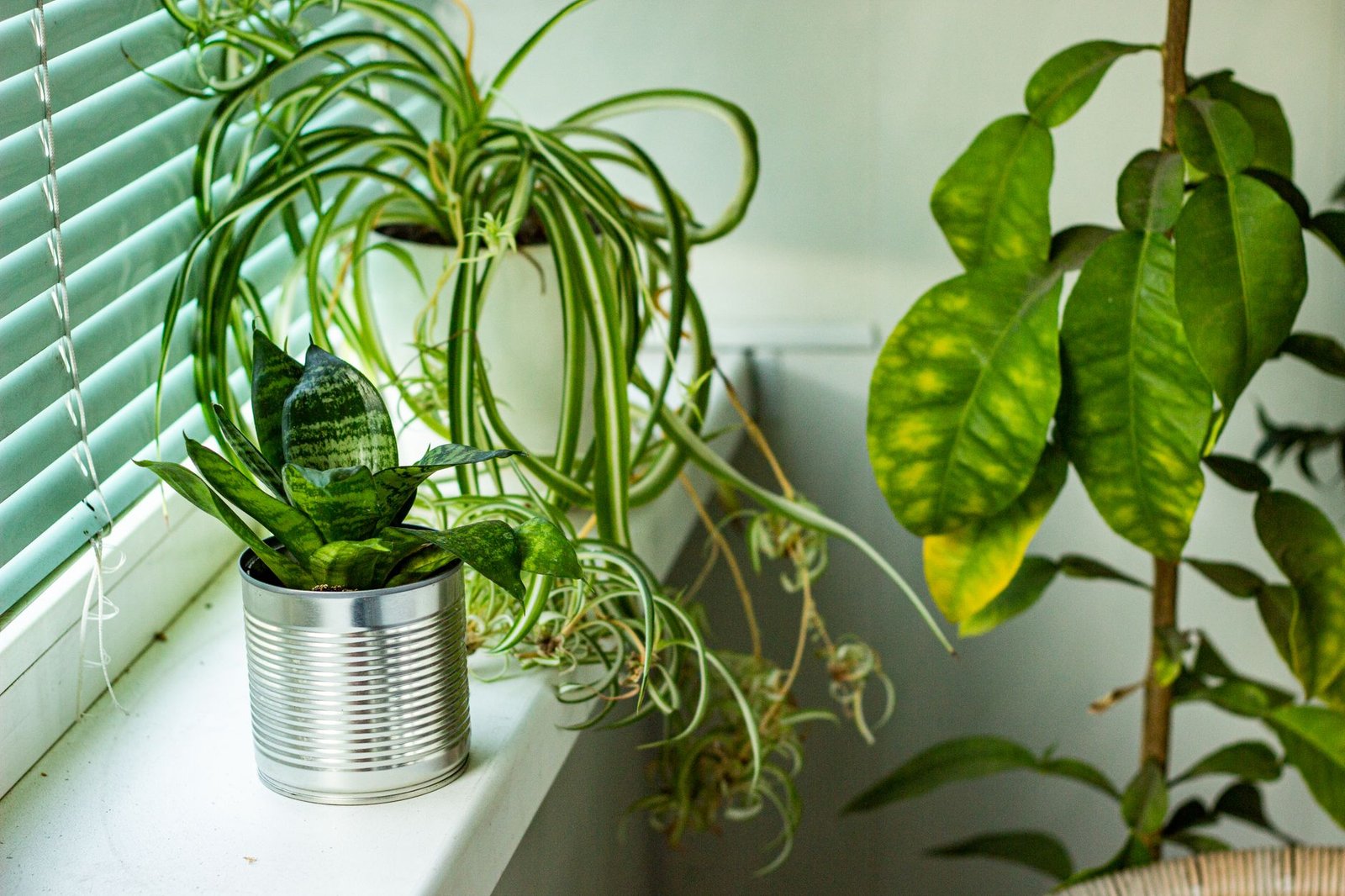
1. Snake Plant (Sansevieria trifasciata)
- Purification Benefits: Exceptional at removing formaldehyde, benzene, trichloroethylene, xylene, and toluene. Uniquely, it converts carbon dioxide to oxygen at night, making it ideal for bedrooms.
- 2026 Appeal: Its sleek, architectural form complements minimalist and modern interior design trends. It is incredibly drought-tolerant and low-maintenance, suiting busy residents.
2. Spider Plant (Chlorophytum comosum)
- Purification Benefits: Highly effective against formaldehyde, xylene, and carbon monoxide. It is known for its prolific