In 2026, the pursuit of sustainable and low-maintenance outdoor spaces continues to shape residential landscape design. Many homeowners are seeking attractive alternatives to traditional turfgrass, driven by desires to reduce water consumption, minimize upkeep, and embrace ecological stewardship. This article explores seven no-mow lawn alternatives that not only address these practical concerns but also deliver stunning aesthetic appeal for diverse yard types. These modern solutions offer beautiful, functional landscapes that require significantly less effort and resources than conventional lawns.
The Evolving Landscape: Why No-Mow Reigns in 2026
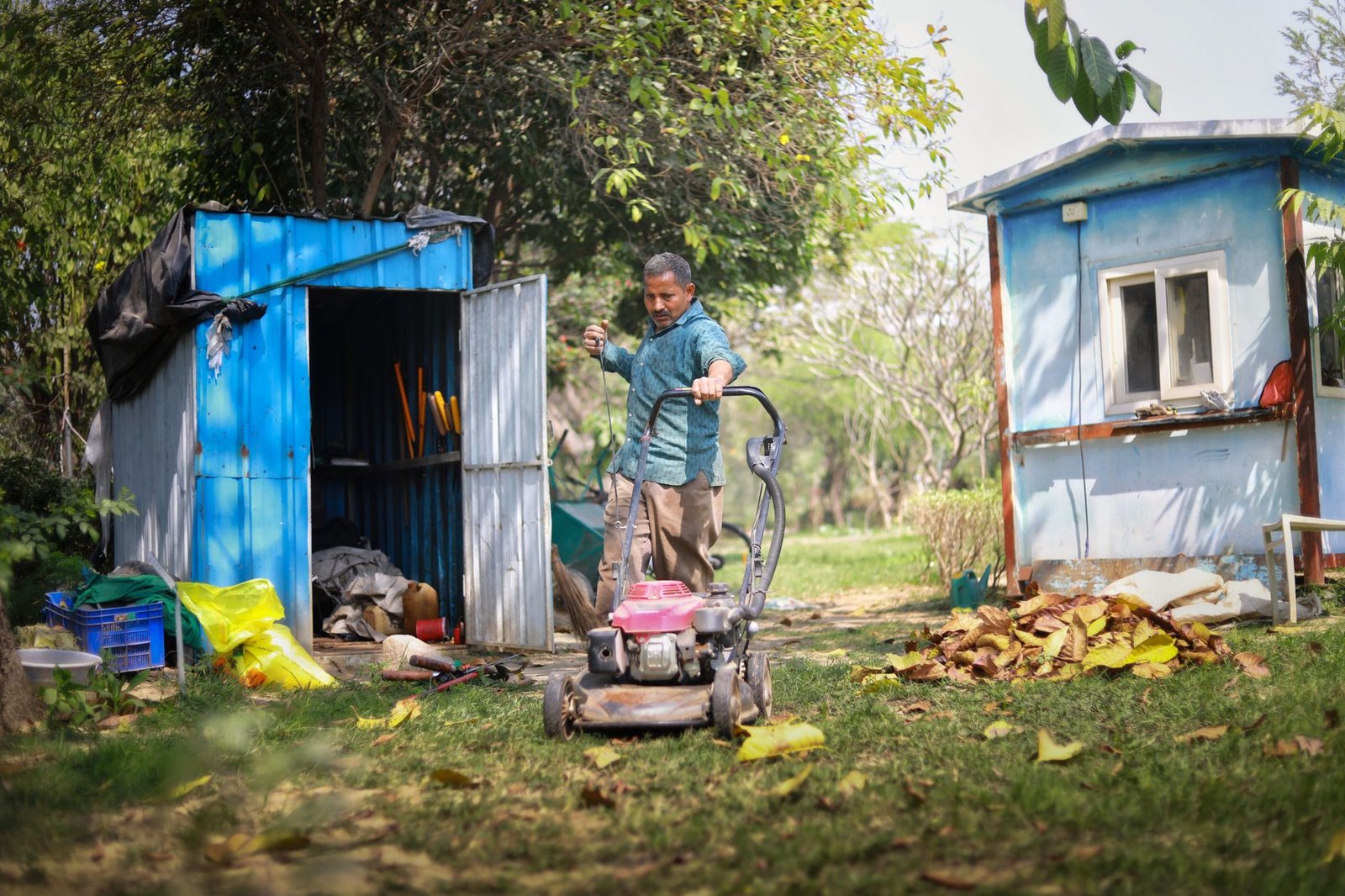
In 2026, a significant shift in landscape design moves away from resource-intensive turfgrass monocultures. Traditional lawns demand substantial resources—frequent watering, regular mowing, and chemical applications—contributing to increased environmental footprints and homeowner time. The growing demand for ecologically responsible, visually appealing landscapes has propelled no-mow alternatives to the forefront of contemporary design. This trend is driven by several key factors:
- Water Conservation: Reduces irrigation needs amidst escalating costs and drought concerns.
- Reduced Maintenance: Frees homeowner time from frequent mowing, fuel, and equipment demands.
- Enhanced Biodiversity: Supports local ecosystems, benefiting pollinators and wildlife, aligning with 2026’s emphasis on biophilic design.
- Sustainability Initiatives: Aligns with eco-conscious choices and reduced carbon footprints.
- Aesthetic Versatility: Offers diverse textures, colors, and forms, enhancing property value.
These alternatives represent an investment in both property and a more harmonious relationship with nature, reflecting modern homeowner priorities.
Top 7 No-Mow Lawn Alternatives for 2026
Here are seven attractive and practical no-mow solutions transforming residential landscapes in 2026:
1. Microclover and Low-Growing Legumes
Microclover (Trifolium repens ‘Pirouette’ or ‘Microclover’), a diminutive white clover variety, remains a frontrunner in 2026 no-mow solutions. Its nitrogen-fixing ability naturally reduces fertilizer needs, promoting healthier soil. This resilient plant forms a dense, bright green carpet, suppressing weeds and tolerating moderate foot traffic. Newer cultivars offer finer textures and enhanced drought resistance. When mixed with fine fescues, microclover creates a low-maintenance alternative that stays green even in drier conditions, providing a lush appearance with minimal irrigation post-establishment.
- Aesthetics: Fine-textured, vibrant green, often dotted with small white flowers.
- Suitability: Full sun to partial shade, adaptable to various soil types, ideal for moderate foot traffic areas.
- 2026 Trend Focus: Nitrogen-fixing capabilities align with organic landscaping; improved drought-tolerant varieties.
2. Native Sedges and Fine Fescues
Embracing native sedges (Carex spp.) and drought-tolerant fine fescues offers a highly sustainable and aesthetically pleasing option. These grass-like plants are adapted to local climates, requiring minimal water once established and growing to a manageable height without mowing. Varieties like Pennsylvania Sedge (Carex pensylvanica) create a soft, flowing texture, while various fescues provide a fine, wispy look. These options support local ecosystems and integrate seamlessly into naturalistic designs.
- Aesthetics: Soft, flowing textures; various shades of green, with subtle seasonal color changes.
- Suitability: Dependent on species; many sedges thrive in shade, fescues tolerate sun to partial shade; excellent for low-traffic areas.
- 2026 Trend Focus: Native plant restoration, biodiversity support, and regional climate adaptability; smart seed mixes.
3. Creeping Thyme and Other Flowering Groundcovers
For areas desiring aromatic beauty and vibrant color, creeping thymes (e.g., Thymus serpyllum, Thymus praecox) and similar flowering groundcovers provide an exquisite alternative. These low-growing plants form dense mats, suppressing weeds while offering seasonal floral displays and a pleasant fragrance when walked upon. Other excellent choices include Roman Chamomile (Chamaemelum nobile) or creeping phlox for early spring color. New hybrid varieties offer extended bloom times and enhanced hardiness, making them popular for 2026 installations.
- Aesthetics: Varied textures, profuse small flowers in spring/summer (pinks, purples, whites), often evergreen.
- Suitability: Full sun to partial shade, well-drained soil, excellent for pathways and rock gardens with light foot traffic.
- 2026 Trend Focus: Biophilic design elements through sensory experience; pollinator-friendly landscapes.
4. Sedum and Succulent Carpets
In sunny, dry environments, sedum and other low-growing succulents offer a striking, water-wise no-mow solution. Species like ‘Dragon’s Blood’ sedum (Sedum spurium ‘Dragon’s Blood’) or various stonecrops form a colorful, textural carpet that requires virtually no irrigation once established. Their diverse forms, colors, and resilience make them ideal for modern, minimalist landscapes or xeriscapes. Their ability to thrive in poor soils makes them exceptionally versatile, embodying resilience in 2026 landscaping.
- Aesthetics: Bold textures, vibrant year-round color, often with seasonal flowers; sculptural appeal.
- Suitability: Full sun, well-drained soil, extremely drought-tolerant; best for low-traffic or decorative areas.
- 2026 Trend Focus: Xeriscaping, extreme drought tolerance, architectural plant forms, and low-input plant selection.
5. Moss Lawns
For shaded, moist areas where traditional turf struggles, a moss lawn presents a serene and unique aesthetic. Mosses (e.g., Hypnum cupressiforme, Polytrichum commune) create a velvety, emerald green carpet that requires no mowing, fertilizing, or irrigation after establishment. Their soft texture and ability to thrive in challenging conditions make them a sophisticated choice for woodland gardens or contemplative spaces. Modern soil preparation techniques and misting systems in 2026 facilitate easier establishment and maintenance of these elegant, minimalist surfaces.
- Aesthetics: Lush, velvety, vibrant green, often with a subtle undulating texture.
- Suitability: Full to deep shade, consistently moist, acidic soil; low-traffic areas.
- 2026 Trend Focus: Biophilic design for tranquil spaces, minimalist landscaping, and adaptive planting for difficult conditions.
6. Permeable Pavers with Groundcover Infill
Combining hardscaping with softscaping elements provides a durable and attractive no-mow solution, particularly for high-traffic zones or pathways. Permeable pavers allow rainwater to infiltrate the soil, reducing runoff, a key sustainability goal for 2026. The spaces between pavers can be planted with resilient, low-growing groundcovers like Irish Moss (Sagina subulata), Scotch Moss (Sagina subulata ‘Aurea’), or hardy creeping sedums. This approach offers the functionality of a patio or pathway with the softness and greenery of a living landscape, blending utility with natural beauty.
- Aesthetics: Structured hardscape softened by living greenery; modern and elegant.
- Suitability: High-traffic areas, patios, driveways, walkways; requires good drainage.
- 2026 Trend Focus: Stormwater management, sustainable hardscaping, urban heat island reduction, and integrated design.
7. Designed Xeriscapes with Decorative Aggregates
A well-executed xeriscape goes beyond basic rock gardens, creating dynamic, sculptural landscapes that are virtually maintenance-free and exceptionally water-efficient. This involves using a combination of drought-tolerant native plants, ornamental grasses, and carefully chosen decorative aggregates like decomposed granite, river rock, or permeable crushed gravel. The aggregates provide clean lines, define spaces, and serve as an inorganic mulch to retain soil moisture. In 2026, innovative aggregate materials, including recycled glass or slag, are gaining traction, offering new textures and colors while reinforcing sustainable practices. The thoughtful arrangement of plants and hardscape elements creates a visually rich environment that complements modern architectural styles.
- Aesthetics: Highly artistic, textural, minimalist or naturalistic depending on design; year-round interest.
- Suitability: Full sun, dry conditions, sloped areas; very low traffic.
- 2026 Trend Focus: Extreme water conservation, sustainable material sourcing, architectural landscaping, and fire-wise design in vulnerable regions.
Integrating No-Mow Solutions for Optimal Appeal in 2026
Adopting no-mow alternatives requires thoughtful planning to ensure both functionality and aesthetic success. Considerations for the homeowner include site analysis, plant selection, and ongoing care to maximize the benefits of these innovative landscapes.
Strategic Planning and Design
Before implementing any no-mow solution, a thorough site assessment is crucial. Factors such as sunlight exposure, soil type, drainage, and expected foot traffic should guide plant selection. For instance, moss thrives in deep shade and consistent moisture, while sedums demand full sun and excellent drainage. Consulting with a landscape architect can help tailor selections to specific microclimates within a property. The intelligent integration of these alternatives with existing landscape features ensures a cohesive and visually pleasing outcome.
Minimalist Maintenance & Smart Technologies
While