In 2026, the pursuit of optimal sleep and domestic comfort remains a top priority for homeowners. When confronting the dual challenges of anxiety and nocturnal overheating, a significant decision arises: weighted blanket versus cooling blanket. The definitive answer is nuanced, as the superior choice hinges on the individual’s primary need, though modern textile innovations increasingly bridge this gap, offering solutions that cater to both anxieties and elevated body temperatures.
The Science of Serenity: Understanding Weighted Blankets
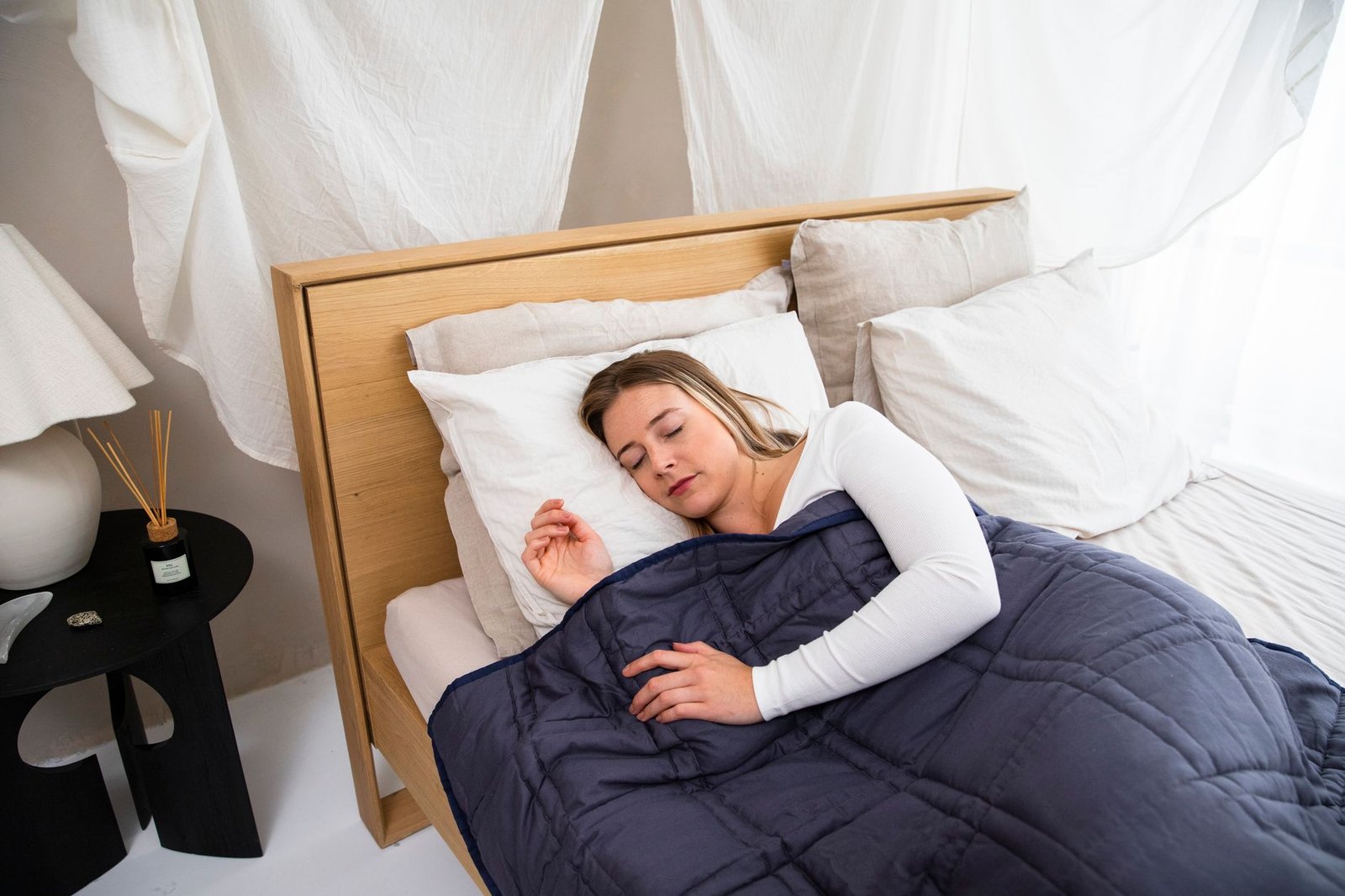
Weighted blankets have solidified their position as a cornerstone of home wellness, primarily due to their unique physiological benefits. Their design, which applies gentle, evenly distributed pressure across the body, is rooted in the therapeutic principle of Deep Pressure Stimulation (DPS).
Deep Pressure Stimulation (DPS) Explained
DPS works by mimicking the sensation of a comforting hug or swaddling. This pressure activates the parasympathetic nervous system, responsible for rest and digestion, while simultaneously reducing sympathetic nervous system activity, which governs the ‘fight or flight’ response. The outcome is a noticeable decrease in cortisol levels, the body’s primary stress hormone, and an increase in serotonin and melatonin production. Serotonin is a mood stabilizer and precursor to melatonin, the sleep-regulating hormone. For residents grappling with anxiety, stress, restless leg syndrome, or general sleep disturbances, the application of DPS can lead to a profound sense of calm, facilitating faster sleep onset and improved sleep quality.
Modern Weighted Blanket Materials and Design in 2026
The weighted blanket market in 2026 has evolved significantly beyond rudimentary designs. Fillers now feature advanced, silent micro-glass beads that distribute weight seamlessly, alongside sustainable options such as organic millet, buckwheat husks, and even finely shredded recycled plastics for eco-conscious consumers. The exterior fabrics have seen dramatic improvements, with a strong emphasis on breathability and thermal regulation. Many weighted blankets now incorporate outer layers made from Tencel lyocell, bamboo viscose, or specialized moisture-wicking synthetic blends. These materials, often interwoven with cooling fibers like jade or graphene, work to counteract the inherent heat retention often associated with heavier bedding, offering a degree of temperature neutrality. Furthermore, modular designs allow for customizable weight distribution and interchangeable covers, adapting to seasonal needs or evolving personal preferences.
Who Benefits Most from a Weighted Blanket?
A weighted blanket is particularly beneficial for individuals experiencing chronic anxiety, panic disorders, PTSD, ADHD, or generalized stress. Its grounding effect provides sensory input that helps quiet an overactive mind, making it an invaluable tool for bedtime routines. While historically a challenge for hot sleepers, the 2026 market offers substantially improved options that manage heat more effectively without compromising the therapeutic weight.
The Art of Cool: Exploring Cooling Blankets
For individuals whose primary sleep obstacle is overheating, cooling blankets offer targeted relief through innovative thermal management technologies.
How Cooling Technology Works
Cooling blankets are engineered to actively dissipate heat and manage moisture, creating a more comfortable microclimate around the sleeper. This can be achieved through several mechanisms:
- Moisture-Wicking Fabrics: Materials like bamboo, Tencel, and specialized polyester blends draw moisture away from the skin, facilitating evaporative cooling.
- High Thermal Conductivity: Fabrics infused with minerals like jade, graphene, or silver quickly transfer heat away from the body.
- Enhanced Airflow: Loosely woven structures or perforated designs promote air circulation, preventing heat buildup.
Cutting-Edge Cooling Blanket Innovations for 2026
The 2026 cooling blanket sector showcases remarkable advancements. Phase Change Materials (PCMs) are now commonly integrated, absorbing and releasing heat as body temperature fluctuates, maintaining a stable, cool surface. Advanced polymer fibers are engineered at a molecular level to be inherently cool to the touch and highly breathable. Some premium models even feature active cooling elements, such as discreetly integrated thermoelectric cooling modules or micro-fan systems, providing on-demand temperature adjustments controlled via smart home integration or a dedicated app. Graphene infusions and aerogel composites are pushing the boundaries of thermal management, offering ultra-lightweight blankets with unparalleled heat dissipation capabilities, often with antimicrobial properties.
Ideal Users for Cooling Blankets
Cooling blankets are indispensable for hot sleepers, individuals prone to night sweats, residents living in warm climates, or those experiencing temperature fluctuations due to hormonal changes. The objective is to prevent overheating before it occurs, ensuring uninterrupted sleep through consistent thermal comfort.
The Ultimate Showdown: Weighted vs. Cooling for the Modern Sleeper
The choice between a weighted blanket and a cooling blanket often comes down to prioritizing one core benefit over another, but 2026 trends offer compelling hybrid solutions.
Direct Comparison: Anxiety vs. Heat
The core distinction remains:
- Weighted Blankets: Primarily target anxiety, stress, and insomnia through Deep Pressure Stimulation, promoting relaxation and serotonin/melatonin production. Modern iterations now address heat more effectively.
- Cooling Blankets: Specifically address overheating and night sweats by actively dissipating heat and managing moisture, ensuring a stable, cool sleep environment.
The Hybrid Solution: Bridging the Gap in 2026
For the resident who experiences both anxiety and struggles with heat, 2026 presents an exciting array of hybrid solutions. Many weighted blanket manufacturers now offer models specifically designed with cooling properties, featuring breathable outer shells (bamboo, Tencel, smart blends) and internal constructions that promote airflow. Some even incorporate PCM-infused layers or actively cooling filaments within the weighted structure. Another effective strategy is to combine a standard weighted blanket with a dedicated, high-performance cooling blanket layered on top, or using a cooling mattress pad beneath a weighted blanket. This multi-layered approach allows the user to experience the anxiety-reducing benefits of weight while actively managing surface temperature. There are also innovative products emerging that combine both technologies into a single unit, albeit often at a premium price point, leveraging smart textiles and adaptive climate control for an all-encompassing sleep experience.
Making the Informed Choice
When selecting the ideal sleep aid, the homeowner should consider several factors:
- Primary Concern: Is anxiety reduction or temperature regulation the paramount need?
- Climate and Bedroom Environment: Does the living space naturally run hot or cold?
- Material Sensitivity: Are there any allergies or preferences for natural versus synthetic fibers?
- Budget: Hybrid and advanced active cooling options tend to be more expensive but offer tailored solutions.
Experimentation, often facilitated by trial periods offered by manufacturers, can be invaluable in determining the optimal solution for individual comfort and wellness needs.
In 2026, the market for sleep aids offers unprecedented sophistication. Whether the resident seeks the calming embrace of a weighted blanket, the refreshing touch of a cooling blanket, or an intelligent hybrid solution, well-informed choices can significantly enhance domestic comfort and contribute to restorative sleep. Understanding the distinct mechanisms and modern innovations of each category empowers the homeowner to cultivate an environment conducive to both tranquility and thermal regulation.