
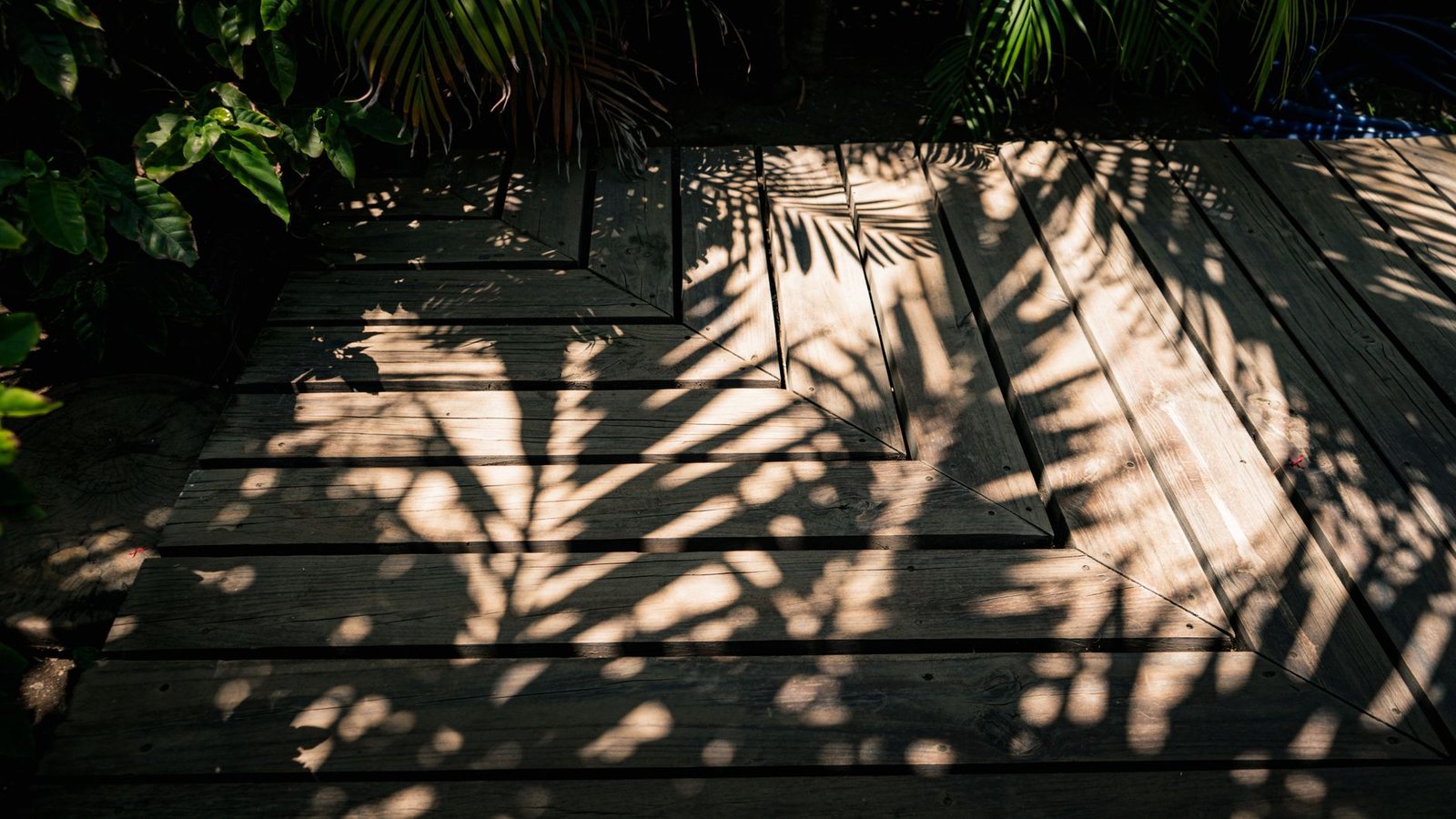
In 2026, the pursuit of durable and environmentally responsible outdoor spaces has never been more prominent. Homeowners are increasingly prioritizing materials that not only withstand the test of time but also minimize ecological footprints. This article explores seven sustainable decking materials engineered to deliver exceptional longevity, often spanning decades, while aligning with modern eco-conscious design principles. Each option presents a unique blend of environmental impact, durability, maintenance requirements, and aesthetic appeal, catering to diverse preferences and project specifications for contemporary outdoor living.
The Drive Towards Sustainable Outdoor Living in 2026
The landscape of outdoor living in 2026 is significantly shaped by a collective commitment to sustainability. Advances in material science and a heightened awareness of environmental responsibility have led to a robust market for decking solutions that are both high-performing and eco-friendly. Residents are seeking alternatives to traditional, less sustainable options, desiring products that offer long-term value, reduced maintenance, and a positive impact on the planet. The industry has responded with innovative materials and processes that redefine what is possible for durable and beautiful outdoor structures.
7 Sustainable Decking Materials That Endure for Decades
For those aiming to install a deck that combines enduring strength with environmental stewardship, the following materials represent the forefront of sustainable decking technology in 2026:
1. Recycled Plastic Composite Decking
Composed primarily of recycled high-density polyethylene (HDPE) or low-density polyethylene (LDPE), often blended with other plastics, recycled plastic composite decking offers an incredibly durable and low-maintenance solution. Its environmental benefit stems from diverting vast amounts of plastic waste from landfills and oceans. In 2026, manufacturers have refined processes to create boards with enhanced UV stability, minimizing fading, and improved slip resistance. This material is impervious to rot, insects, and splintering, requiring only occasional cleaning to maintain its appearance. With warranties often extending beyond 25 years, its lifespan easily reaches several decades. Aesthetically, it comes in a wide array of colors and textures, some mimicking natural wood grains with remarkable realism.
2. Bamboo Composite Decking
Utilizing rapidly renewable bamboo, strand-woven bamboo composite decking is an impressive contender for sustainable outdoor spaces. Bamboo grows at an astonishing rate, making it a highly sustainable resource. The material undergoes a specialized process where bamboo strands are compressed with resins under high pressure, resulting in an exceptionally dense and hard board. This treatment imparts superior resistance to moisture, insects, and fungal decay. Modern bamboo composites feature advanced sealing and finishing techniques for even greater durability and dimensional stability, especially crucial in varying climates. Maintenance is straightforward, typically involving periodic cleaning and reapplication of a protective finish every few years. Expected lifespan is often 20-30 years or more, making it a truly long-lasting choice. Its natural, warm aesthetic appeals to many homeowners seeking an organic yet sophisticated look.
3. Accoya Wood (Modified Wood)
Accoya is a prime example of acetylated wood, a modification process that drastically enhances the wood’s durability, stability, and longevity. Sourced from sustainably managed forests (FSC-certified), the non-toxic acetylation process transforms softwood at a cellular level, rendering it virtually immune to rot, insect attack, and warping. This material represents a significant step forward from traditional pressure-treated lumber due to its superior performance and non-toxic nature. Accoya boasts an impressive lifespan, with a 50-year above-ground warranty, making it a multi-generational decking material. It requires minimal maintenance beyond routine cleaning and can be left unfinished to gracefully weather to a silvery-grey patina, or stained/painted for a custom appearance. For 2026, its application is expanding to include more complex architectural designs due to its inherent stability.
4. Black Locust Wood
Black Locust (Robinia pseudoacacia) is a naturally durable hardwood native to North America, known for its exceptional resistance to rot and insects without any chemical treatment. This fast-growing, regenerative species is often sourced from sustainably managed woodlands, making it an excellent ecological choice. Its density and inherent properties give it a lifespan comparable to tropical hardwoods, often exceeding 25-30 years, even in challenging environments. The wood weathers to an attractive grey if left untreated, or can be oiled to maintain its golden-brown hue. Maintenance is minimal, primarily involving periodic cleaning. While its availability can sometimes be regional, increased demand in 2026 has spurred more consistent supply chains and milling options for decking applications, making it a more accessible choice for the environmentally conscious resident.
5. Reclaimed Wood
Utilizing reclaimed wood for decking is perhaps one of the most directly sustainable options, as it repurposes timber from old buildings, barns, or industrial structures, preventing new deforestation. Each piece carries a unique history and character, offering unparalleled aesthetic depth with a distinct vintage appeal. The durability of reclaimed wood depends on the original species and its previous use; many species like oak, redwood, or Douglas fir have proven their longevity over decades or even centuries. Sourcing certified reclaimed wood ensures its authenticity and provenance. While initial installation may involve some preparation, maintenance mirrors that of new solid wood decking – periodic cleaning and potentially sealing or oiling. The lifespan is typically exceptional, as the wood has already demonstrated its endurance, often lasting another 20-40 years or more once installed as decking. In 2026, specialized treatments for reclaimed wood enhance its weather resistance, expanding its suitability for various climates.
6. Aluminum Decking
Often overlooked, aluminum decking is an incredibly sustainable and long-lasting material. Aluminum is 100% recyclable, and many decking products incorporate significant percentages of recycled content. Its inherent properties make it resistant to rot, insects, fire, and extreme weather conditions. Unlike wood or composites, it will not splinter, warp, or crack, ensuring a lifespan of 50 years or more with virtually no maintenance beyond occasional cleaning. Modern aluminum decking features interlocking designs that create a water-tight surface, making the space beneath dry and usable. Advancements in 2026 include highly durable powder coatings that resist fading, scratching, and provide a range of colors and textures, some even mimicking wood grains. While the initial cost may be higher, its unparalleled longevity and minimal upkeep offer significant long-term value.
7. Cellular PVC Decking (Advanced PVC)
Distinct from traditional composite decking, cellular PVC decking is made entirely of polyvinyl chloride, with no wood fibers. This makes it impervious to moisture, mold, mildew, and insect damage, offering exceptional durability and dimensional stability. Its sustainability profile is enhanced by its recyclability and the fact that it does not require new deforestation. Modern cellular PVC decking features highly realistic wood grain embossing and a durable cap layer that provides superior resistance to stains, scratches, and fading. Many products include Cool-Touch technology in 2026, which reduces surface temperatures, making the deck more comfortable in direct sunlight. Maintenance is exceptionally low, requiring only periodic cleaning. With typical warranties of 25-30 years, its actual lifespan often extends far beyond, proving it to be a multi-decade investment.
Choosing the Right Sustainable Decking Material
Selecting the ideal sustainable decking material involves a careful evaluation of several factors. The homeowner should consider the local climate, as some materials perform better under specific weather conditions. Budget considerations are always important, though the long-term savings from reduced maintenance and replacement costs should be factored into the overall value proposition. Aesthetic preferences play a crucial role, whether one desires the natural look of wood, the consistent finish of composites, or the sleek appeal of aluminum. Finally, ease of installation and the availability of local suppliers and installers for specific materials should be investigated to ensure a smooth project execution. Consulting with a qualified landscape architect or building professional can provide invaluable guidance for making an informed decision that harmonizes with both environmental goals and personal lifestyle.
Conclusion
The array of sustainable decking materials available in 2026 offers compelling options for any homeowner committed to creating a durable, beautiful, and eco-friendly outdoor space. From the recycled ingenuity of plastic composites to the natural resilience of Accoya wood and the enduring strength of aluminum, each material provides a pathway to a deck that will last for decades. By carefully considering environmental impact, long-term durability, maintenance requirements, and aesthetic desires, individuals can select a decking solution that not only enhances their property but also contributes positively to a more sustainable future. Investing in these advanced, sustainable options ensures a rewarding outdoor experience for many years to come.