
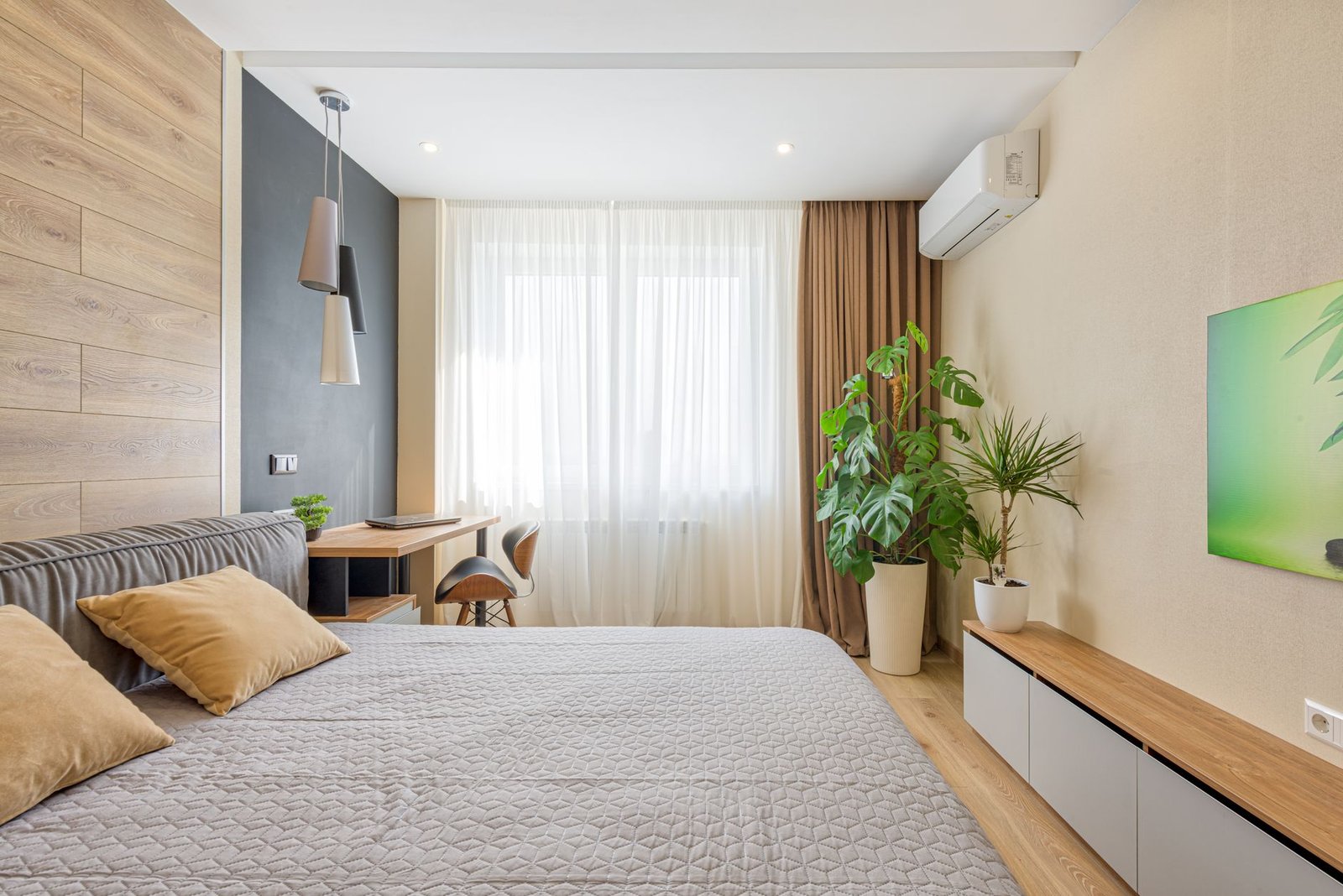
The Health and Comfort Imperative of Optimal Bedroom Humidity
A dry bedroom environment can lead to significant discomfort and a range of health issues for residents. Addressing excessively dry air is crucial for fostering optimal well-being and a restorative sleep environment. This article explores five effective natural strategies to enhance bedroom humidity without relying on electronic humidifiers, offering sustainable and integrated solutions perfectly suited for the modern home in 2026. These methods encompass strategic plant placement, indoor laundry drying, decorative water features, simple water evaporation techniques, and optimized steam retention from bathing.
Dry indoor air, a pervasive issue particularly prevalent during colder months or in arid climates, profoundly impacts residential comfort and long-term health. Maintaining optimal bedroom humidity, ideally within the 40-60% range, is fundamental. This balanced moisture level supports respiratory health, mitigates dry skin and irritated nasal passages, and demonstrably contributes to higher quality sleep. Individuals residing in overly dry conditions frequently report symptoms such as persistent dry coughs, increased static electricity, chapped lips, and even minor structural damage to wooden furniture due to desiccation.
In 2026, there is an amplified global focus on Indoor Air Quality (IAQ) as a non-negotiable cornerstone of home wellness. Simultaneously, the principles of sustainable living increasingly guide homeowners towards non-appliance solutions. These natural methods reduce energy consumption, minimize maintenance needs, and seamlessly integrate biophilic elements into the living space, aligning with contemporary environmental values and smart home ecosystems.
5 Natural Ways to Enhance Bedroom Humidity
1. Embrace Biophilic Design with Strategic Houseplants
Integrating specific houseplants is a highly effective, aesthetically pleasing, and biologically beneficial method to boost ambient moisture in a bedroom. Plants naturally release water vapor into the air through a process known as transpiration. This biophilic approach not only humidifies the environment but also purifies the air and significantly enhances the room’s aesthetic appeal, contributing to a sense of calm and connection to nature.
- Peace Lily (Spathiphyllum): Renowned for its high transpiration rates and exceptional air-purifying qualities, making it a dual-purpose choice.
- Boston Fern (Nephrolepis exaltata): A classic and potent humidity booster, this fern thrives with consistent moisture and proper light.
- Spider Plant (Chlorophytum comosum): Exceptionally easy to care for, these plants are effective at releasing water and are resilient to varying conditions.
- Areca Palm (Dypsis lutescens): A larger, more substantial plant that can significantly contribute to overall humidity, making it ideal for spacious bedrooms.
- Snake Plant (Sansevieria trifasciata): While slightly less prolific in humidity release compared to ferns or palms, it is exceptionally resilient, requires minimal care, and contributes positively to general air quality.
For optimal results, it is recommended that several plants be strategically placed within the bedroom, potentially near windows to benefit from natural light, or grouped in clusters to create localized zones of higher humidity. Modern smart planters, widely available in 2026, offer integrated self-watering systems and intelligent light supplementation, ensuring plant vitality and consistent moisture release with minimal effort from the homeowner. Furthermore, sustainable ceramic and recycled polymer planters are trending for their eco-friendly profiles and contemporary designs.
2. Leverage the Power of Indoor Laundry Drying
Drying clothes indoors represents a straightforward, energy-efficient, and highly effective method for naturally increasing ambient humidity within a bedroom. As water evaporates from freshly laundered fabrics, it directly adds moisture into the room’s atmosphere, contributing to a more comfortable environment without drawing electricity.
- Utilize a dedicated drying rack, preferably constructed from natural wood, bamboo, or recycled metal, positioning it in a well-ventilated area of the bedroom.
- For optimal humidity distribution, consider placing the rack near a gentle air current or a subtle heat source, such as a radiator (ensuring a safe distance to prevent fire hazards).
- Ensure adequate spacing between garments to facilitate efficient drying and prevent the development of mustiness or mold.
In 2026, advances in textile engineering mean many fabrics are designed to dry faster, and specialized eco-friendly drying racks with integrated, passive air circulation features are becoming more common, enhancing efficiency and further deterring mold development. This method not only humidifies but also reduces reliance on energy-intensive tumble dryers.
3. Introduce Decorative Water Features
Small indoor water features, such as elegant tabletop fountains or open-top aquariums, serve as refined and soothing sources of passive evaporation. The continuous movement of water in a fountain or the exposed surface area of an open aquarium allows water molecules to escape into the air, gradually elevating humidity levels within the room while also providing calming auditory benefits.
- Regular maintenance is essential for these features to prevent mineral buildup, algae growth, and bacterial proliferation.
- Using distilled or filtered water can significantly minimize scale deposits and preserve the feature’s pristine appearance and functionality.
Modern minimalist fountain designs, frequently incorporating natural stone, sustainably sourced composite materials, or recycled glass, are particularly popular in 2026. Some advanced models now feature whisper-quiet, energy-efficient pumps and even subtly integrated low-level air purification systems, blending aesthetics with wellness technology.
4. Strategic Use of Wet Towels and Water Bowls
For a simple, cost-effective, and immediately implementable humidity boost, strategically placing bowls of water or damp towels around the bedroom can be highly beneficial. This method relies purely on passive evaporation to release moisture into the surrounding air, requiring no special equipment.
- Place decorative ceramic, terracotta, or natural stone bowls filled with clean water on stable surfaces such as bedside tables, dressers, or windowsills. Terracotta, being porous, can subtly enhance the rate of evaporation.
- Drape clean, damp towels over chairs, banisters, or dedicated drying racks. For an added sensory benefit, a few drops of natural essential oils (e.g., lavender for relaxation) can be incorporated into the water or applied sparingly to the towel, provided the resident has no sensitivities.
Proximity to a subtle, indirect heat source (avoiding direct contact) can gently accelerate the evaporation process; however, placement near sensitive electronics or in pathways should be avoided. The prevailing trend in 2026 leans towards natural, artisanal materials for these accessories, emphasizing both functional efficacy and harmonious aesthetic integration within the bedroom environment.
5. Optimize Shower and Bath Steam Retention
The voluminous steam generated during a hot shower or bath is an exceptionally potent source of immediate atmospheric moisture. Rather than immediately venting all of this steam away, a calculated portion can be strategically introduced into adjacent living spaces, including the bedroom, to provide a rapid humidity surge.
- Implementation technique: After showering or bathing, partially open the bathroom door for a controlled period, allowing the warm, moist air to circulate into the bedroom.
It is crucial to balance this approach with proper bathroom ventilation to prevent excessive moisture buildup in the bathroom itself, which could lead to mold or mildew formation. Advanced smart home ventilation systems, readily available in 2026, can detect localized humidity levels and offer automated, nuanced adjustments, permitting controlled steam release into adjacent rooms without compromising structural integrity or encouraging microbial growth. This method is best utilized periodically and with careful monitoring of overall humidity levels.
Holistic Humidity Management and 2026 Trends
For achieving and maintaining optimal bedroom humidity levels, combining several of these natural methods often yields the most robust and consistent results. For instance, a homeowner might effectively incorporate several humidity-boosting plants, dry a load of laundry indoors once or twice a week, and maintain a small decorative water feature near a window.
Monitoring indoor humidity levels with a reliable smart hygrometer is highly recommended. These sophisticated devices, frequently integrating seamlessly with broader smart home ecosystems in 2026, provide residents with real-time data, allowing for precise adjustments to their chosen methods as ambient conditions fluctuate. The emphasis in modern home wellness is on creating a balanced, dynamic environment. While boosting humidity is important, equally vital is preventing over-humidification, which can unfortunately lead to issues such as mold growth, increased dust mite populations, and general discomfort. The overarching goal remains a steady, comfortable humidity range between 40-60%.
Furthermore, the sustainable sourcing of materials for plants, water features, and drying racks aligns perfectly with contemporary eco-conscious living. Homeowners are increasingly seeking products made from recycled, renewable, or ethically produced materials, enhancing the overall environmental footprint of their home.
Cultivating a Naturally Balanced Bedroom Environment
Achieving comfortable and healthy bedroom humidity levels without reliance on artificial devices is entirely feasible through the thoughtful integration of natural processes. By adopting biophilic elements, leveraging everyday household activities, and embracing simple evaporative techniques, residents can effectively combat the challenges of dry air. These natural solutions not only improve indoor air quality and personal comfort but also significantly enhance the aesthetic appeal and sustainable profile of the home, ultimately fostering a truly restorative and healthy sleep environment for years to come.