Reducing household energy expenditures remains a top priority for homeowners in 2026, and a range of intelligent smart home gadgets now offers proven strategies for achieving significant savings on utility bills. These innovative devices leverage advanced technologies such as artificial intelligence, sophisticated sensor arrays, and seamless connectivity to optimize energy consumption across various domestic systems, delivering tangible financial benefits and enhancing overall home comfort.
Revolutionizing Home Efficiency: Energy Savings in 2026
As energy costs continue their upward trajectory in 2026, the adoption of smart home technology has transitioned from a luxury to a pragmatic necessity for many households. The advancements in Internet of Things (IoT) devices, coupled with more robust interoperability standards like Matter and Thread, have made integrating energy-saving solutions simpler and more effective than ever before. Modern materials, such as highly efficient micro-LEDs and dynamic insulation composites, are also playing a crucial role in the enhanced performance of these new-generation devices. Homeowners are increasingly seeking solutions that not only automate tasks but also provide transparent data and actionable insights into their energy usage, directly impacting their monthly utility statements.
Eight Smart Gadgets Delivering Tangible Energy Savings
1. Advanced Smart Thermostats
Today’s smart thermostats are far beyond simple programmable devices. In 2026, these systems feature advanced AI-driven learning algorithms that adapt to the resident’s daily routines and preferences, optimizing heating and cooling schedules with unparalleled precision. Many now offer granular zonal control, allowing individual rooms or specific areas to be managed independently, preventing energy waste in unoccupied spaces. Predictive analytics, integrating hyper-local weather forecasts and even utility demand-response signals, enables proactive adjustments, significantly reducing HVAC consumption. The implementation of geofencing technology ensures systems automatically adjust when a residence is vacant, further maximizing efficiency.
2. Intelligent LED/OLED Lighting Systems
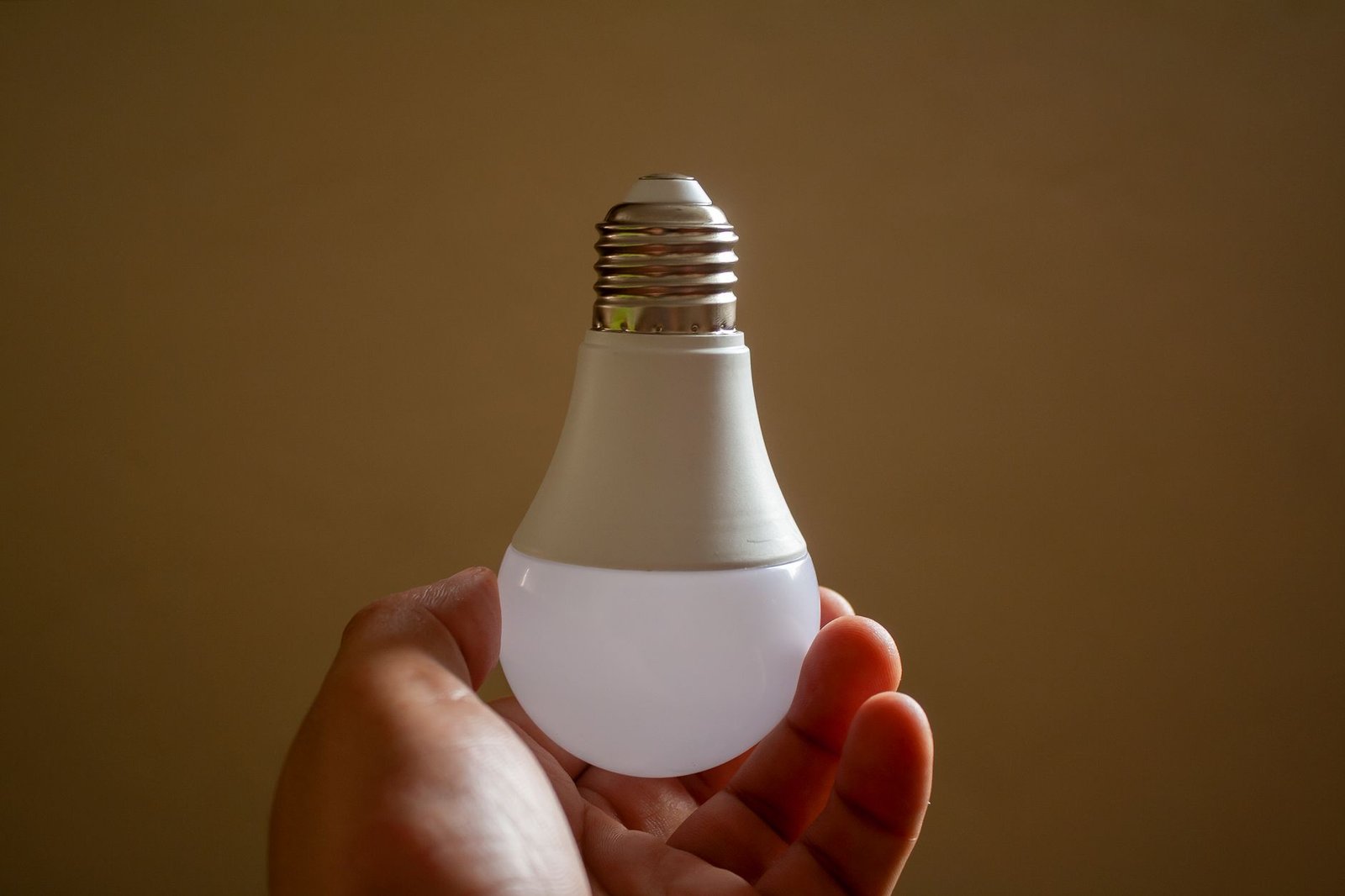
While LED lighting has long been a staple for energy efficiency, 2026 brings forth intelligent systems incorporating dynamic light sensors and advanced occupancy detection. These systems automatically adjust brightness and color temperature based on ambient light levels and room occupancy, ensuring illumination is always optimal without unnecessary waste. The rise of micro-LED and highly efficient OLED panels in fixtures provides superior light quality with even lower power draws. Networked lighting solutions allow for comprehensive scheduling and scene creation, preventing lights from being left on accidentally and offering considerable energy savings over traditional setups.
3. Smart Power Strips and Plugs
Phantom load, or