In 2026, selecting the best patio heater for cold evenings depends significantly on the specific outdoor space, desired heat intensity, and operational preferences. While no single unit universally dominates, electric radiant heaters equipped with smart technology and high-efficiency propane models featuring advanced safety protocols often emerge as leading choices for most residential applications.
Evolving Outdoor Comfort: Patio Heater Trends in 2026
The outdoor living sector continues its robust expansion, with patio heaters evolving beyond simple heat sources into sophisticated outdoor comfort appliances. For 2026, key trends include enhanced energy efficiency, integration of smart home technologies, a greater emphasis on sustainable materials, and increasingly refined aesthetic designs. Consumers are seeking not just warmth, but seamless operation, eco-conscious options, and units that complement contemporary outdoor decor. The rise of multi-functional outdoor zones has also driven demand for versatile heating solutions capable of adapting to various configurations.
- Smart Integration: Wi-Fi enabled controls, voice assistant compatibility, and app-based scheduling for precise temperature management and energy savings.
- Material Innovation: Use of advanced alloys for increased durability and corrosion resistance, alongside eco-friendly recycled polymers and composite materials.
- Efficiency Gains: Improved burner designs for gas models and more targeted infrared technology for electric units reduce energy consumption.
- Safety Enhancements: Integrated tip-over switches, overheat protection, and improved flame-failure devices are standard across premium models.
Understanding Patio Heater Types for Optimal Selection
The core decision revolves around the fuel source, each offering distinct advantages for various outdoor scenarios.
Electric Patio Heaters
Electric models, particularly those utilizing infrared technology, are gaining prominence in 2026 due to their efficiency and ease of use. They convert nearly all energy into radiant heat, warming objects and people directly rather than the air. Installation typically requires access to an appropriate power outlet or professional hardwiring. These units are ideal for enclosed patios, covered decks, or areas where gas lines are impractical.
- Pros: Instant heat, no emissions, quiet operation, minimal maintenance, often wall-mounted or ceiling-mounted, increasingly smart-enabled.
- Cons: Require electricity, initial wiring may be necessary, can be less portable, potentially higher operating cost depending on electricity rates.
- 2026 Innovations: Advanced parabolic reflectors for wider heat distribution, IP65 weatherproofing, and sleek, minimalist designs that blend into modern architecture.
Propane Patio Heaters
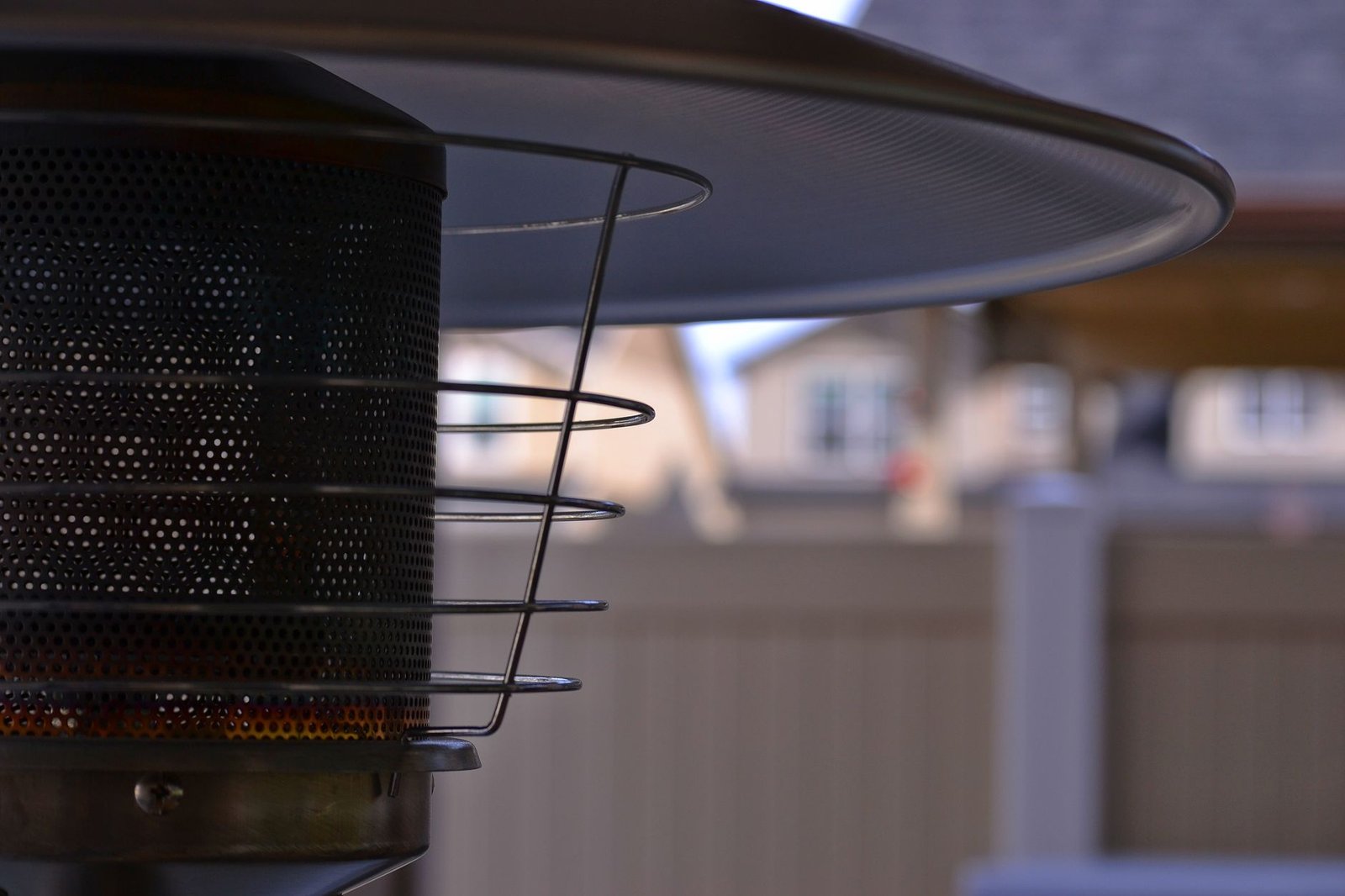
Propane heaters remain a popular choice for their portability and powerful heat output. They are freestanding, umbrella-style units that radiate warmth over a wide area, making them suitable for open patios, poolside lounging areas, or temporary setups. The fuel source is a standard 20-pound propane tank, offering flexibility but requiring refills.
- Pros: Highly portable, strong heat output, no external power required, quick setup.
- Cons: Require propane tank refills, produce some emissions, can be bulky, open flame requires careful placement.
- 2026 Innovations: More efficient burner technology reducing propane consumption, hidden tank compartments with easy access, enhanced tip-over and anti-tilt safety features, and models with integrated LED lighting.
Natural Gas Patio Heaters
For homeowners with a dedicated natural gas line, these heaters offer unparalleled convenience and an unlimited fuel supply. They are typically hard-piped into the gas system, making them a permanent fixture. Ideal for fixed outdoor kitchens, expansive patios, or frequently used outdoor entertaining spaces.
- Pros: Unlimited fuel supply, lower operating costs than propane, no refills or tank storage, consistent heat.
- Cons: Professional installation required, not portable, higher upfront cost, fixed location.
- 2026 Innovations: Smart ignition systems for remote control, improved flame safety shut-off valves, and more compact designs for easier integration into built-in outdoor features.
Wood or Pellet Burning Heaters
While less common for direct patio heating due to smoke and ash, modern outdoor fire pits and chimineas designed for pellet or clean-burning wood offer an ambient heating solution. These are more about creating an atmosphere than efficient space heating, though advanced designs minimize smoke. Ideal for rustic settings or areas where a traditional fire experience is desired.
- Pros: Authentic flame ambiance, natural warmth.
- Cons: Requires fuel management, produces smoke and ash, less efficient for direct heating, safety considerations.
- 2026 Innovations: Smokeless fire pit technology, durable ceramic and composite materials that withstand extreme temperatures, and integrated ash collection systems.
Key Considerations for Selecting the Best Patio Heater
Several factors influence the ideal patio heater choice for any given outdoor environment.
Heating Capacity and Coverage Area
The heat output, measured in BTUs for gas heaters or watts for electric, dictates the coverage area. Larger, more open spaces require higher BTUs or wattage. Radiant heaters are effective even in breezy conditions, while convective heaters warm the air, which can dissipate quickly in open environments. The resident should assess the square footage needing warmth and consider ceiling height or proximity to walls.
Safety Features
Safety is paramount for any outdoor heating appliance. Essential features in 2026 models include automatic shut-off mechanisms for tip-overs or low oxygen levels, flame failure protection, and cool-to-touch guards around heating elements. Propane and natural gas units must meet strict certification standards. Electric units should have appropriate IP ratings for outdoor exposure.
Design Aesthetics and Integration
Patio heaters are increasingly viewed as design elements. Modern offerings include sleek stainless steel, powder-coated aluminum, and even models integrated into outdoor furniture. The homeowner should consider how the heater complements the existing landscape architecture and overall outdoor decor. Wall-mounted or ceiling-mounted electric heaters offer a discreet heating solution, while freestanding gas heaters can become a focal point.
Energy Efficiency and Operating Costs
Beyond the initial purchase price, the ongoing cost of fuel is a significant consideration. Electric heaters have variable costs depending on local electricity rates, while natural gas typically offers the lowest per-unit heating cost. Propane costs fluctuate and require tank refills. Modern units across all categories prioritize efficiency to minimize long-term expenses.
Top Recommendations for 2026
Considering the diverse needs of outdoor spaces, specific recommendations can be made based on use cases.
- For Covered Patios and Enclosed Spaces: High-efficiency electric infrared heaters from brands known for advanced smart features and discreet mounting options are highly recommended. Look for models with Wi-Fi control for seamless integration into smart home ecosystems.
- For Large, Open Patios and Event Spaces: Robust propane umbrella heaters with enhanced safety features and efficient burner technology provide powerful, portable heat. Models with integrated ambient lighting offer added functionality.
- For Permanent Outdoor Kitchens and Dedicated Entertaining Zones: Hard-piped natural gas heaters offer unparalleled convenience and cost-effectiveness for fixed installations. Prioritize units with durable construction and remote ignition.
- For Ambient Warmth and Aesthetic Appeal: Smokeless wood or pellet fire pits provide a compelling focal point and a more traditional fire experience, suitable for larger, well-ventilated areas where atmospheric comfort is as important as direct heat.
Maintenance and Longevity in 2026
Regardless of the chosen type, regular maintenance extends the life and ensures the safe operation of a patio heater. This includes periodic cleaning of heating elements and reflectors, checking gas lines for leaks, and ensuring electrical connections are secure and weatherproof. Many 2026 models feature modular designs for easier component replacement, further enhancing their longevity and sustainability.
Conclusion
The best patio heater for cold evenings in 2026 is ultimately the one that aligns most effectively with the specific requirements of an outdoor space, balancing heating efficiency, safety, aesthetic integration, and operational convenience. By evaluating fuel types, heating capacity, and modern feature sets against individual needs, residents can ensure their outdoor areas remain comfortable and inviting throughout the cooler seasons, transforming exterior spaces into true extensions of the home.