
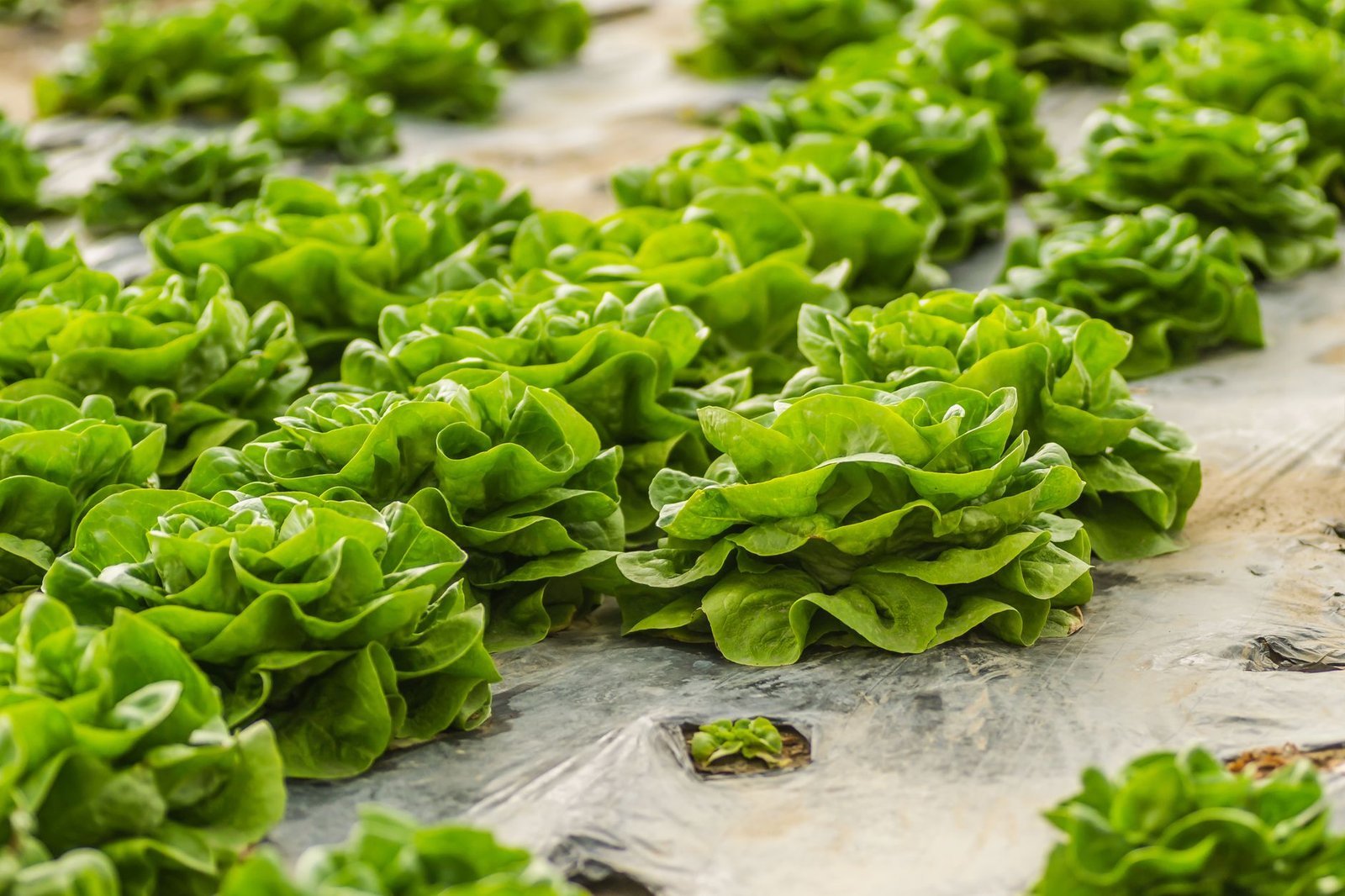
Compacted garden soil presents a significant challenge to plant growth, hindering root development, nutrient uptake, and water absorption. Fortunately, several effective strategies exist to rejuvenate overburdened garden beds, ensuring robust plant health and bountiful harvests in 2026 and beyond. Understanding the causes and implementing targeted solutions can transform dense, lifeless soil into a thriving ecosystem.
Understanding Soil Compaction and Its Impact
Soil compaction occurs when soil particles are pressed together, reducing the pore space essential for air and water movement. This condition can severely impede root penetration, suffocating plants by limiting oxygen supply and preventing roots from accessing vital water and nutrients. Standing water on the surface, stunted plant growth, and a hard, impenetrable soil surface are common indicators of compaction.
Primary Causes of Soil Compaction
- Foot Traffic and Heavy Equipment: Repeated pressure from walking or machinery can compress soil, especially when wet.
- Tilling Wet Soil: Working soil when it is saturated can destroy its structure, leading to clumping and compaction.
- Lack of Organic Matter: Soil rich in organic matter is more resilient to compaction due to its improved aggregation and structure.
- Heavy Rains and Irrigation: Intense watering or rainfall can cause finer soil particles to settle and pack together, particularly in soils with low organic content.
Strategies for Breaking Up Compacted Soil
Addressing compacted soil requires a multi-pronged approach that focuses on physical loosening, structural improvement, and long-term maintenance. The resident’s goal is to create a porous, well-aerated environment.
Physical Aeration Techniques
- Manual Fork Aeration: For smaller beds, a broadfork or digging fork can be used to loosen soil without inverting the layers. The user inserts the fork into the ground and gently rocks it back and forth, creating air pockets. This method is effective for localized compaction and is less disruptive than tilling.
- Core Aeration: Similar to lawn aeration, specialized tools can remove small plugs of soil, creating channels for air and water. This is particularly useful for widespread compaction over larger areas.
- Deep Cultivation (Careful Tilling): In severe cases, very careful, shallow tilling when soil moisture is optimal (crumbles easily, not wet) might be considered. However, this is generally a last resort, as excessive tilling can destroy beneficial soil structure over time. For 2026, minimal disturbance techniques are favored.
Enhancing Soil Structure with Organic Amendments
Incorporating organic matter is arguably the single most effective long-term solution for improving soil structure, drainage, and overall health. Organic materials act like sponges, holding water and nutrients while creating stable soil aggregates that resist compaction.
- Compost: Well-rotted compost is a foundational amendment. Spreading a 2-4 inch layer annually and lightly working it into the topsoil (or allowing worms to incorporate it in no-dig systems) significantly improves texture.
- Aged Manure: A rich source of organic matter and nutrients, aged manure also contributes to improved soil structure. It is crucial to use composted or aged manure to avoid burning plants with excessive nitrogen.
- Leaf Mold: Decomposed leaves provide excellent organic matter, particularly beneficial for improving water retention and aeration.
- Biochar: A significant trend for 2026, biochar offers long-term benefits for soil structure, water retention, and microbial activity. Incorporating high-quality, sustainably produced biochar can create micropores that enhance drainage while also sequestering carbon. Application rates typically range from 5-10% by volume.
Modern Approaches and 2026 Trends
The field of soil health continues to evolve, with 2026 seeing increased adoption of advanced techniques and materials for combating compaction and fostering robust growth.
No-Dig and Minimal Tillage Practices
Increasingly, gardeners are embracing no-dig or minimal tillage methods. These approaches avoid disturbing the soil layers, preserving the intricate fungal networks and microbial communities that naturally create healthy soil structure. By simply adding layers of compost and mulch to the surface, the resident allows nature’s processes to improve the soil over time, effectively preventing future compaction.
Smart Soil Monitoring and Precision Amendments
For 2026, smart soil sensors are becoming more accessible, providing real-time data on soil moisture, temperature, and even nutrient levels. This allows the homeowner to irrigate precisely when needed, preventing overwatering that can contribute to compaction. The data also informs targeted amendment applications, ensuring optimal soil conditions without wasteful or counterproductive interventions.
Cover Cropping for Natural Soil Improvement
Planting cover crops during off-seasons is an ancient yet increasingly refined practice. Crops like clover, vetch, or rye send roots deep into the soil, naturally breaking up compacted layers. When these crops are tilled under or left to decompose on the surface, they add substantial organic matter, enriching the soil and enhancing its structure. Selecting species specifically known for their deep root systems is key.
Maintaining Optimal Soil Health and Preventing Future Compaction
Once soil structure is improved, preventative measures are crucial to avoid a return to compaction.
- Consistent Organic Matter Addition: Continue adding compost, leaf mold, or other organic materials annually. This continuous replenishment is vital for long-term soil health.
- Mulching: A 2-4 inch layer of organic mulch (wood chips, straw, shredded leaves) on garden beds provides numerous benefits. It moderates soil temperature, conserves moisture, suppresses weeds, and as it decomposes, contributes organic matter, feeding the soil’s microbial life and preventing surface compaction from rainfall.
- Dedicated Pathways: Establish clear pathways in the garden to direct foot traffic and prevent accidental compaction of planting areas. Using stepping stones or raised beds can also help minimize pressure on the soil.
- Crop Rotation: Regularly rotating crops helps maintain diverse soil biology and can prevent depletion of specific nutrients. Including deep-rooted crops in the rotation can also help alleviate compaction naturally over time.
- Avoid Working Wet Soil: Always check soil moisture before working. If a squeezed handful forms a tight ball, it’s too wet. If it crumbles easily, it’s ready.
Conclusion
Reversing compacted garden soil is an investment in the garden’s future productivity. By understanding the underlying causes and implementing a combination of physical aeration, consistent organic matter amendments, and modern preventative strategies, the homeowner can transform challenging soil into a fertile medium. Embracing these practices for 2026 ensures improved drainage, superior soil health, and the foundation for a truly bumper harvest, supporting vibrant plant life and abundant yields for years to come.