
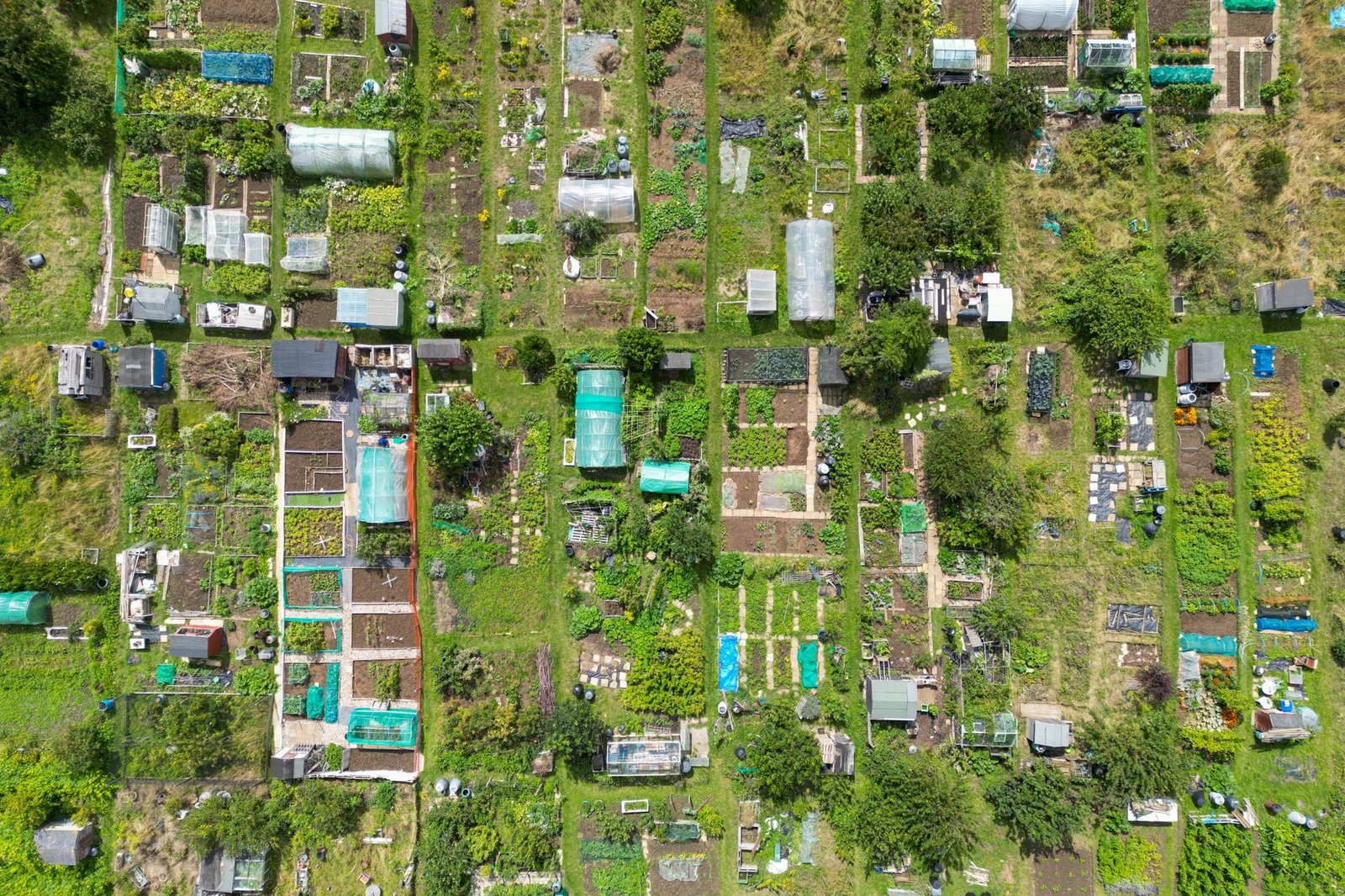
For individuals embarking on their permaculture journey in 2026, selecting an optimal starter plant is crucial for early success and sustained motivation. The consensus among landscape architects and sustainable gardeners points to Comfrey (Symphytum officinale), specifically the sterile Bocking 14 variety, as the standout choice. This dynamic accumulator offers unparalleled versatility, requires minimal upkeep, and provides a multitude of benefits to an emerging permaculture system, making it ideal for the novice practitioner.
The Ascent of Beginner-Friendly Permaculture in 2026
Permaculture, a design system for creating sustainable human habitats, continues its trajectory from niche practice to mainstream appeal in 2026. Homeowners and land managers are increasingly seeking resilient, productive, and aesthetically pleasing landscapes that reduce environmental impact and foster self-sufficiency. This year’s trends underscore a heightened focus on climate resilience, biodiversity integration, and the judicious use of resources, driving demand for plants that align with these principles while being forgiving for those new to the approach.
2026 Trends in Sustainable Cultivation
- Enhanced Focus on Soil Health: Modern permaculture emphasizes sophisticated soil management, including biochar applications, advanced composting techniques, and the use of mycorrhizal inoculants for robust plant growth.
- Water Conservation Innovation: The adoption of smart irrigation systems, integrated greywater recycling, and aesthetically designed rainwater harvesting solutions are becoming standard, necessitating plants that thrive with efficient water use.
- Urban and Small-Scale Integration: Vertical gardening systems, modular raised beds crafted from recycled composites, and compact food forest designs allow permaculture principles to flourish even in limited urban spaces.
- Data-Driven Decisions: Soil sensors and environmental monitoring tools provide real-time data, enabling homeowners to optimize conditions for their plants and reduce guesswork.
The selection of foundational plants is paramount to establishing a thriving permaculture system. These initial choices should be robust, multi-functional, and require minimal intervention, providing immediate positive feedback to the resident.
Comfrey: The Permaculture Powerhouse for Novices
Among the myriad options, Comfrey (Bocking 14) consistently emerges as the most recommended permaculture plant for those just starting out in 2026. Its ease of cultivation, coupled with its extensive utility, makes it an invaluable asset in any regenerative landscape.
Why Comfrey (Bocking 14) Stands Out
The Bocking 14 cultivar of Comfrey is particularly favored because it is sterile and does not spread by seed, preventing it from becoming invasive while still offering prolific growth. Its benefits are numerous:
- Dynamic Accumulator: Comfrey possesses deep taproots capable of mining essential nutrients like potassium, calcium, and phosphorus from deeper soil layers, bringing them to the surface in its leaves. This enriches the topsoil when the leaves decompose.
- Chop and Drop Mulch: The plant produces an abundance of leafy biomass that can be regularly chopped and dropped around other plants. This acts as a highly effective, nutrient-rich mulch, suppressing weeds, conserving soil moisture, and slowly releasing vital nutrients as it breaks down.
- Potent Liquid Fertilizer: Comfrey leaves can be steeped in water to create a powerful liquid feed, often referred to as ‘Comfrey tea,’ which is exceptionally beneficial for fruiting and flowering plants due to its high potassium content.
- Soil Conditioner: Its extensive root system breaks up compacted soil, improving aeration and drainage, while its decaying leaves contribute significantly to soil organic matter.
- Pollinator Attractor: Comfrey flowers are a favorite food source for bees and other beneficial insects, enhancing biodiversity and pollination services within the garden.
- Animal Fodder: For residents with livestock, Bocking 14 Comfrey provides a highly nutritious supplement to animal diets, particularly for poultry and rabbits.
Establishing Comfrey requires minimal effort. It tolerates a wide range of soil conditions, though it thrives in moist, well-drained soil and prefers full sun to partial shade. Once planted, it requires little attention beyond regular cutting for mulch or fertilizer. Modern sustainable nurseries often supply Bocking 14 root cuttings, ensuring genetic purity and ease of propagation.
Beyond Comfrey: Other Stellar Beginner Options for 2026
While Comfrey takes the top spot, several other plants offer significant benefits and are well-suited for the permaculture novice, contributing to a diverse and resilient system from the outset.
Nitrogen-Fixing Companions
Nitrogen fixers are crucial for enriching soil naturally, reducing the need for external fertilizers.
- Bush Beans and Peas: These annuals are easy to grow, provide edible yields, and introduce nitrogen into the soil through symbiotic bacteria in their root nodules.
- Clover (e.g., White Clover): An excellent living groundcover, clover suppresses weeds, retains soil moisture, and fixes nitrogen. Modern, drought-tolerant varieties are increasingly available.
Edible Groundcovers and Living Mulch
These plants serve multiple purposes: protecting the soil, suppressing weeds, and offering edible yields.
- Strawberries: Hardy and prolific, strawberries create an effective groundcover, yield delicious fruit, and attract pollinators.
- Sweet Potato: A vigorous vine that produces edible leaves and tubers, sweet potatoes are excellent for covering ground quickly and suppressing unwanted growth.
Support Species and Pioneer Plants
These plants provide structure, attract beneficials, or create favorable microclimates.
- Sunflowers (Giant Varieties): Tall sunflowers can provide shade for understory plants, act as a trellis for climbing beans, and attract birds with their seeds.
- Jerusalem Artichoke (Sunchoke): A robust perennial that provides edible tubers and tall stalks that can serve as a temporary windbreak or support structure. It is extremely hardy and requires minimal care.
Integrating Permaculture Principles for Lasting Success
Choosing the right plants is merely the first step. For a truly successful permaculture system, the resident must also embrace core design principles.
Observation and Interaction
Starting small and observing the landscape’s unique characteristics—sun patterns, water flow, existing flora and fauna—is vital. This iterative approach allows for adjustments and improvements as the system develops, fostering a deeper connection with the environment.
Smart Water Management
In 2026, efficient water use is more critical than ever. Implementing strategies like contour planting (swales), hugelkultur beds (mounds of decaying wood to retain moisture), and installing modern, modular rainwater harvesting systems significantly reduces reliance on external water sources. Smart sensors, integrated with automated drip irrigation, ensure water is delivered precisely where and when it is needed, minimizing waste.
Building Soil Fertility
Prioritizing soil health through consistent mulching with organic materials, establishing diverse plant communities, and utilizing no-dig gardening methods builds a living, fertile foundation that sustains the entire system. Contemporary soil amendments, such as high-quality vermicompost and targeted microbial inoculants, further enhance soil vitality.
Creating Guilds and Polycultures
Designing plant guilds—mutually beneficial groupings of plants—mimics natural ecosystems and maximizes resource efficiency. For example, planting Comfrey alongside fruit trees provides essential nutrients and attracts pollinators, creating a supportive ecosystem where each element contributes to the health of the whole. This holistic approach, combined with the strategic selection of beginner-friendly plants like Comfrey, empowers any homeowner to cultivate a productive, resilient, and beautiful permaculture landscape in 2026 and beyond.