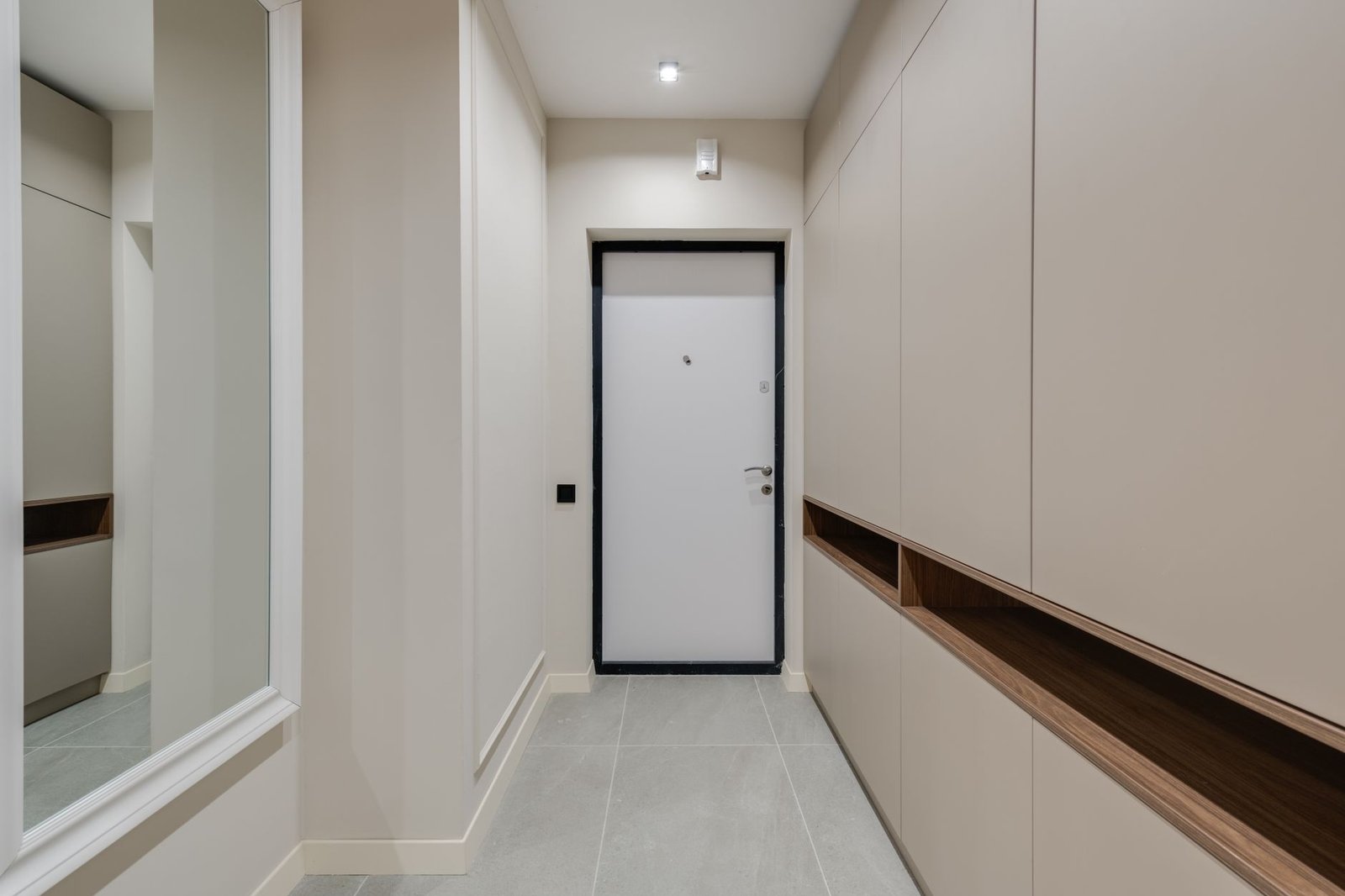
A small entryway can often feel like a design dilemma, leaving the resident with a cramped, uninviting first impression of the home. However, transforming a tight entrance into a welcoming and highly functional space does not require extensive renovations. By employing strategic decor and smart furniture placement, even the most compact entryways can feel significantly larger and more organized. This article will explore seven innovative, space-saving decor hacks for 2026, incorporating modern trends and material developments to help any homeowner optimize their compact entry.
Maximizing Verticality and Light for Enhanced Space
The illusion of space in a small entryway largely depends on how effectively vertical dimensions are utilized and how light is manipulated.
1. Embrace Vertical Storage Solutions
Clutter is the nemesis of a small space. Vertical storage is a cornerstone of efficient entryway design. Instead of wide, floor-consuming units, the focus should be on slim, wall-mounted, or tall options. For 2026, look for:
- Floating Shelves: These minimalist shelves, particularly those crafted from lightweight, recycled composites or sustainably sourced bamboo, offer practical storage for keys, mail, or small decor without obstructing floor space.
- Wall-Mounted Organizers: Sleek panels with integrated hooks, small cubbies, or magnetic strips for keys are trending. Many 2026 designs incorporate smart features, such as inductive charging pads for mobile devices, seamlessly integrating technology into utility.
- Slim Console Tables: Opt for designs with minimal depth, perhaps featuring an open base to maintain visual flow. Materials like ultra-thin sintered stone or high-pressure laminate with wood grain finishes are durable and stylish, reflecting contemporary preferences for resilient and aesthetically pleasing surfaces.
2. Strategically Place Mirrors and Reflective Surfaces
Mirrors are a designer’s oldest trick for expanding space, and for good reason. They reflect light, making a room feel brighter and more open. Proper placement is key:
- Opposite a Light Source: Positioning a large mirror directly across from a window or light fixture maximizes natural and artificial light distribution, instantly brightening and expanding the perception of the space.
- Full-Length Mirrors: A tall, slender mirror leaning against a wall or mounted flush creates an impression of added height, drawing the eye upwards. Frameless designs or those with very thin, metallic frames (e.g., brushed brass or matte black finishes, popular in 2026) enhance the modern, minimalist aesthetic.
- Reflective Accents: Consider decor items with mirrored or metallic finishes, such as a polished chrome vase or a small side table with a glass top. These subtly reflect light, adding sparkle and depth without overwhelming the compact area.
Smart Furniture and Multifunctionality
In a small entryway, every piece of furniture must earn its place by offering both aesthetic appeal and practical utility. Multifunctional designs are paramount.
3. Opt for Slim-Profile and Foldable Furniture
The footprint of furniture is critical. Choose pieces that are narrow, streamlined, or can be folded away when not in use.
- Ultra-Narrow Console Tables: Designs with a depth of 20-25 cm are ideal. Many 2026 models feature integrated power outlets or discreet USB ports, catering to the homeowner’s charging needs.
- Floating Benches or Stools: A wall-mounted bench with a slim profile provides a convenient spot to sit while putting on shoes without cluttering the floor. Alternatively, compact, stackable stools made from lightweight, recycled plastics or sustainably harvested timber can be tucked away easily.
- Wall-Mounted Folding Desks/Tables: For entryways that occasionally double as a temporary workspace, a small wall-mounted table that folds flat against the wall offers incredible versatility. Modern iterations often include integrated smart-device holders or lighting.
4. Embrace Multifunctional Pieces with Integrated Storage
Furniture that serves multiple purposes is a homeowner’s best friend in a small space. This trend is amplified in 2026, with designers focusing on seamless integration of storage.
- Storage Ottomans or Benches: A bench or ottoman with a lift-top lid provides hidden storage for shoes, bags, or other items that tend to accumulate near the door. Look for models upholstered in durable, easy-to-clean fabrics or innovative vegan leathers, which are gaining popularity for their sustainability and longevity.
- Coat Racks with Shelving: Instead of separate coat racks and shelves, choose units that combine both. Modern designs feature sleek metal frames with wooden shelves or composite panels, providing hooks for outerwear and a surface for hats, gloves, or display items.
- Entryway Cabinets with Shoe Storage: Slim cabinets specifically designed to store shoes vertically or on pull-out racks keep footwear out of sight and off the floor, maintaining a tidy appearance. Many 2026 designs incorporate ventilation systems to prevent odors.
Strategic Decor and Visual Illusions
Beyond furniture, the thoughtful application of decor, color, and lighting can profoundly influence how a small entryway feels.
5. Implement Strategic and Layered Lighting
Good lighting can dramatically alter the perception of space. Avoid single, harsh overhead lights; instead, create layers of illumination.
- Sconces: Wall-mounted sconces free up floor and table space while providing ambient light. Up-lighting designs can make ceilings appear higher. Smart LED sconces for 2026 often offer tunable white light and color options, allowing the resident to adjust the mood.
- Task Lighting: A small, elegant table lamp on a console or a directed spotlight can highlight key features or provide practical light for finding keys.
- Integrated Lighting: Consider LED strips tucked beneath floating shelves or within coat racks for discreet, functional, and atmospheric lighting. Smart home integration allows for automated lighting scenes, welcoming the resident home with optimal illumination.
6. Utilize Light Color Palettes and Strategic Wall Treatments
Color is a powerful tool for visual expansion. Light colors generally make spaces feel larger and airier, while certain wall treatments can add depth.
- Light, Neutral Colors: Walls painted in soft whites, pale grays, or subtle pastels reflect light and make the space feel more open. These timeless hues also serve as a versatile backdrop for decor.
- Accent Walls for Depth: In some cases, a carefully chosen accent wall can create an illusion of depth. Consider a wall with a subtle, textured wallpaper or a mural depicting an open landscape or abstract biophilic pattern. Digital wallpaper technology in 2026 allows for bespoke, easily changeable designs.
- Continuous Flooring: Using the same flooring material from the entryway into an adjacent room creates a seamless transition, preventing the eye from stopping abruptly and making the area feel more expansive.
7. Prioritize Decluttering and Mindful Organization
Ultimately, even the most ingenious design hacks will fail if the space is cluttered. A tidy entryway is the most effective way to make it feel larger and more serene.
- “One In, One Out” Rule: Implement a strict policy for new items entering the home. If a new item is purchased, an old one must be discarded or relocated.
- Designated Homes for Everything: Ensure every item in the entryway has a specific place. This could be a bowl for keys, a hook for bags, or a basket for mail. For 2026, smart home key finders and digital organizational apps can further streamline this process.
- Regular Purging: Periodically review the items in the entryway and remove anything that does not belong or is no longer needed. This includes seasonal items, stray papers, and excess outerwear. Embracing minimalist principles helps maintain visual calm and prevents the space from feeling overwhelmed.
By thoughtfully applying these seven space-saving decor hacks, homeowners can transform even the smallest entryway into a functional, aesthetically pleasing, and welcoming prelude to the rest of the dwelling. The strategic use of vertical space, reflective surfaces, smart furniture, layered lighting, light color palettes, and diligent organization, all informed by 2026’s trends in sustainable and smart design, ensures that a compact entrance never feels cramped again.