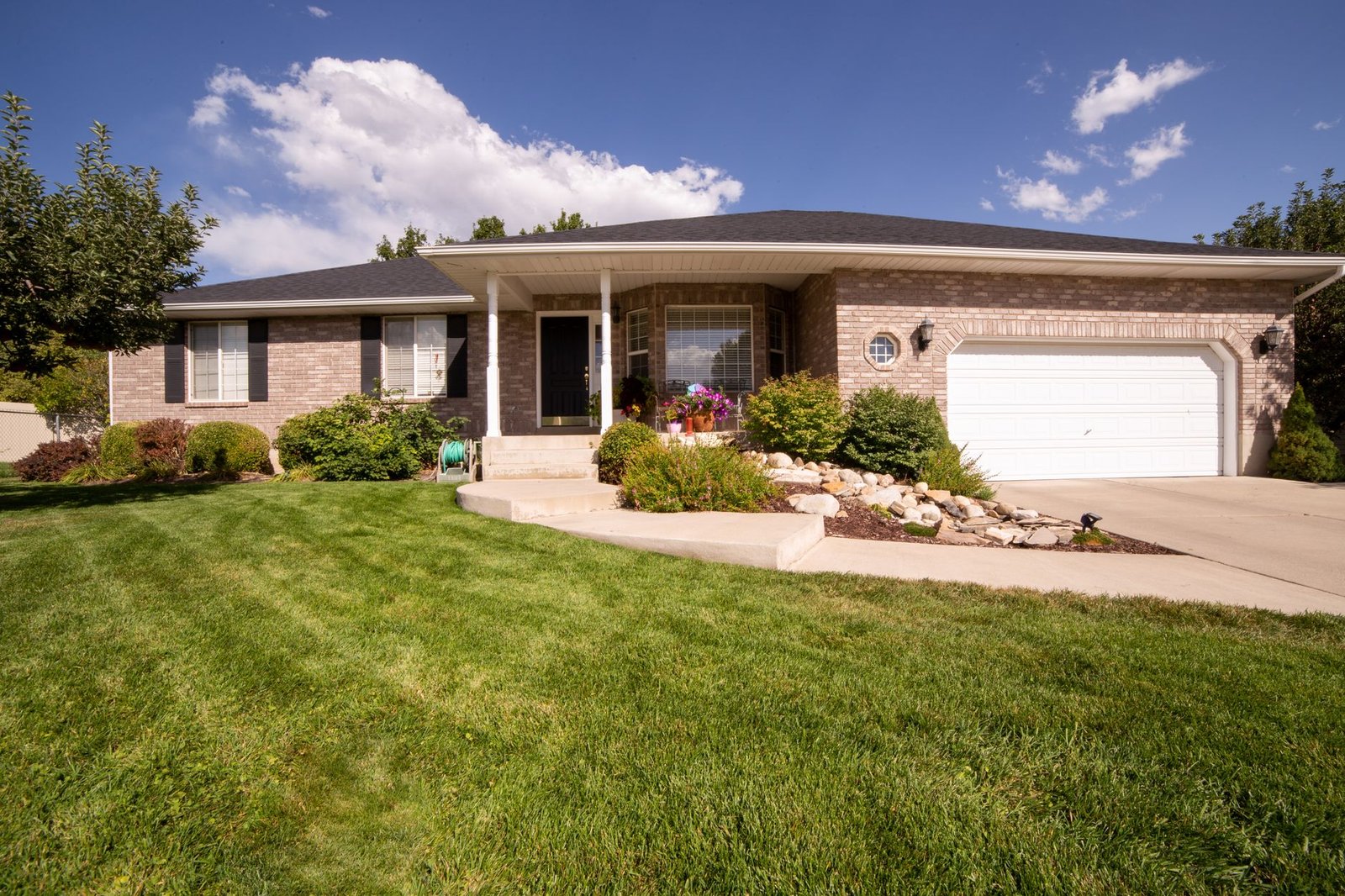
Achieving a captivating outdoor aesthetic that remains vibrant throughout all seasons, without demanding extensive time and effort, is a primary goal for homeowners in 2026. This article presents eight specific plant varieties renowned for their minimal upkeep requirements and consistent visual interest, ensuring year-round curb appeal for diverse climates. Thoughtful plant selection, combined with modern landscaping strategies, allows for the creation of effortlessly beautiful and resilient exterior spaces.
The Imperative of Enduring Curb Appeal in 2026
In the evolving landscape of home design and property value, the exterior presence of a residence holds significant sway. For 2026, the emphasis is firmly on sustainable beauty and efficiency. Homeowners are increasingly seeking solutions that offer maximum aesthetic return for minimal investment in terms of time and resources. This extends beyond basic upkeep to considerations of environmental impact and long-term resilience. Selecting plants that naturally thrive across seasons, resisting pests and diseases while requiring little intervention, aligns perfectly with contemporary domestic comfort analyses and landscape architectural principles. Such selections ensure the property maintains a polished and inviting look, enhancing curb appeal without burdening the resident with constant maintenance tasks.
Top 8 Low-Maintenance Plants for Consistent Visual Interest
The following plant varieties are celebrated for their hardiness, versatility, and ability to provide continuous visual appeal with minimal care.
1. Dwarf Conifers
Description: Varieties such as ‘Little Gem’ Dwarf Spruce or ‘Blue Star’ Juniper offer diverse textures and striking year-round color, from deep greens to silvery blues. Their compact size makes them ideal for foundation plantings, rock gardens, or container arrangements.
Year-Round Appeal: Provides consistent evergreen structure and color, offering interest even under snow. Their unique forms become focal points.
Maintenance: Requires minimal pruning, primarily for shaping or removing dead branches. Drought-tolerant once established and generally disease-resistant.
2. Boxwood (Buxus sempervirens)
Description: A classic evergreen shrub renowned for its dense, small leaves and adaptability to various pruning styles. Modern cultivars, like ‘Green Mountain’ or ‘Winter Gem’, offer enhanced cold hardiness.
Year-Round Appeal: Its consistent green foliage provides a strong structural element, perfect for formal hedges, borders, or even informal accents. It acts as a reliable backdrop for seasonal plantings.
Maintenance: Tolerates a wide range of soils. Requires occasional watering in dry spells and can be pruned for desired shape, though a natural form is also attractive.
3. Hydrangea paniculata Varieties
Description: Cultivars such as ‘Limelight’, ‘Vanilla Strawberry’, or ‘Quick Fire’ boast large, cone-shaped flowers that emerge in summer and gracefully change color through autumn, persisting into winter. These are more sun-tolerant and robust than their traditional counterparts.
Year-Round Appeal: Offers spectacular summer blooms, extended fall color, and architectural dried flower heads that provide winter interest and texture.
Maintenance: Extremely hardy and adaptable. Requires minimal pruning in late winter or early spring to encourage vigorous new growth and abundant blooms. Tolerant of various soil types.
4. Ornamental Grasses
Description: Selections like Karl Foerster Feather Reed Grass, Little Bluestem, or Hameln Dwarf Fountain Grass provide dynamic movement, texture, and subtle color shifts. Modern landscape designs frequently incorporate them for their architectural form.
Year-Round Appeal: Offers graceful movement and texture through spring and summer, transitioning to golden or reddish hues in fall. Their dried seed heads and stalks provide enduring winter interest.
Maintenance: Remarkably low-maintenance, requiring only a single cutback in late winter or early spring before new growth appears. Drought-tolerant once established.
5. Sedum Varieties (e.g., ‘Autumn Joy’/’Autumn Fire’)
Description: These succulent perennials are known for their fleshy leaves and sturdy flower heads that bloom in late summer and autumn. Their resilience and vibrant color make them a garden staple.
Year-Round Appeal: Provides interesting foliage texture throughout the growing season, culminating in showy pink or reddish flower clusters that hold their form and color well into winter, even after drying.
Maintenance: Extremely drought-tolerant and thrives in full sun with well-drained soil. Requires virtually no care beyond a cutback in late winter.
6. Hellebore (Lenten Rose)
Description: An early-flowering perennial prized for its ability to bloom in late winter or early spring, often while snow is still on the ground. Its leathery, evergreen foliage provides year-round interest.
Year-Round Appeal: Offers crucial color during the dormant season, brightening the landscape with elegant, often nodding flowers. Its strong foliage provides a textural groundcover.
Maintenance: Tolerates shade and dry conditions once established. Requires minimal attention, primarily removal of older leaves in late winter to showcase emerging blooms.
7. Winterberry Holly (Ilex verticillata)
Description: A deciduous holly known for its spectacular display of bright red or orange berries that cling to bare branches through winter. Cultivars like ‘Red Sprite’ or ‘Sparkleberry’ are popular.
Year-Round Appeal: While its foliage is attractive in summer, its true show begins in late fall as leaves drop, revealing a stunning profusion of berries that persist, providing vibrant color against a winter backdrop.
Maintenance: Prefers moist, acidic soil but is adaptable. Requires minimal pruning. A male pollinator is necessary for berry production on female plants.
8. Lavender (Lavandula angustifolia)
Description: This aromatic evergreen shrub is cherished for its fragrant purple flowers and silvery-green foliage. Varieties such as ‘Hidcote’ or ‘Munstead’ are particularly robust.
Year-Round Appeal: Provides lovely texture and fragrance with its foliage, followed by a profusion of summer blooms. The dried flower stalks also retain interest.
Maintenance: Thrives in full sun and well-drained soil, exhibiting excellent drought tolerance once established. Requires light pruning after flowering to maintain shape and encourage bushiness.
Integrating 2026 Trends for Sustainable Outdoor Spaces
Beyond plant selection, modern landscaping practices in 2026 heavily leverage technological advancements and sustainable design principles to enhance curb appeal and reduce maintenance.
Smart Landscaping Technologies
The integration of smart irrigation systems equipped with weather sensors and soil moisture probes is becoming standard. These systems optimize water usage, preventing overwatering or underwatering, thereby preserving plant health and minimizing resource consumption. Remote monitoring and adjustment capabilities offer homeowners unparalleled convenience, ensuring plants receive precise care without direct intervention. Robotic lawnmowers, too, have evolved, offering autonomous upkeep of turf areas, freeing up significant time for other pursuits.
Resilient Plant Selection and Biophilic Design
The trend towards biophilic design continues to strengthen, emphasizing the connection between humans and nature. This translates to selecting plants that not only look good but also support local ecosystems and contribute to overall environmental health. Drought-tolerant and regionally appropriate species are increasingly favored to build resilience against changing climatic conditions. This approach ensures that the chosen flora is not merely decorative but actively thrives within its environment, demanding less external support. The focus on plant diversity also contributes to healthier soil and a more robust landscape.
Eco-Conscious Hardscaping Materials
Modern hardscaping materials play a crucial role in creating a cohesive, low-maintenance outdoor environment. Permeable paving solutions, made from recycled aggregates or designed with spacing for groundcover, manage stormwater effectively while minimizing runoff. The use of durable, regionally sourced stone or composites with a high recycled content reduces environmental impact and ensures longevity. Furthermore, advancements in sealant technologies mean that pathways and patios require less frequent cleaning and resealing, resisting stains and weathering for extended periods. These material choices contribute to the overall sustainability and reduced maintenance burden of the entire outdoor space.
Cultivating a Seamlessly Beautiful Exterior
Achieving year-round curb appeal in 2026 is an attainable goal for the homeowner committed to thoughtful landscape design. By prioritizing the selection of the eight low-maintenance plant varieties detailed—Dwarf Conifers, Boxwood, Hydrangea paniculata varieties, Ornamental Grasses, Sedum, Hellebore, Winterberry Holly, and Lavender—a foundation of enduring beauty is established. When combined with the intelligent integration of 2026’s smart landscaping technologies, resilient design philosophies, and eco-conscious hardscaping materials, the result is an outdoor space that is not only visually stunning but also remarkably self-sufficient. This strategic approach ensures the exterior of a residence remains captivating and reflective of modern living, demanding minimal effort while delivering maximum aesthetic impact across every season.