
North-facing patios, while offering refuge from intense afternoon sun, can still receive significant sun exposure during certain times of the day or year, necessitating effective shade solutions for optimal comfort. In 2026, homeowners possess an array of innovative and practical options to transform these spaces into cool, inviting havens. This article explores eight advanced shade solutions, integrating modern materials, smart technology, and sustainable design principles to enhance outdoor living.
Understanding North-Facing Patio Dynamics
The sun exposure on a north-facing patio can be more nuanced than commonly perceived. Depending on the hemisphere, season, and specific orientation, direct sunlight can be substantial during morning hours, late afternoon, or during lower sun angles in winter. While direct, overhead midday sun is often minimized, the angled sun can create glare and heat, making strategic shade crucial. The aim is to mitigate this sun while preserving natural light and outdoor views, leveraging 2026’s advancements in materials and automation.
Innovative Shade Solutions for 2026
1. Automated Bioclimatic Pergolas
Bioclimatic pergolas represent a pinnacle of modern shade technology. For 2026, these structures feature motorized, adjustable louvered roofs crafted from lightweight, high-strength aluminum alloys or recycled composite materials. The resident can control the louvers via a smart home system or dedicated app, precisely modulating sunlight and ventilation. Integrated sensors automatically adjust the louvers in response to sun intensity, wind speed, or rain, offering unparalleled comfort and protection. These systems often include integrated LED lighting and optional heating elements for year-round usability.
2. Smart Retractable Shade Sails
Moving beyond traditional static designs, 2026’s retractable shade sails utilize advanced, UV-stabilized technical textiles that are both durable and resistant to fading and mildew. These sails can be automated, deploying and retracting with the touch of a button or based on pre-programmed schedules. Key innovations include integrated wind sensors that automatically retract the sail during high gusts, preventing damage. Available in a wide spectrum of colors and shapes, they offer a dynamic and aesthetically pleasing solution that complements contemporary architectural styles.
3. Integrated Vertical Louver Systems
For north-facing patios particularly susceptible to low-angle sun exposure, integrated vertical louver systems provide a sophisticated barrier. These systems can be standalone or incorporated into a pergola structure, featuring vertical fins made from sustainable timber composites, recycled plastics, or powder-coated aluminum. Many 2026 models offer pivotable or sliding louvers, allowing the homeowner to manually or automatically adjust them to block direct sun while maintaining airflow and privacy. Their sleek design adds a modern architectural element to the outdoor space.
4. Dynamic Living Green Walls
Embracing biophilic design, dynamic living green walls offer a sustainable and naturally cooling shade solution. These vertical gardens, populated with heat-tolerant climbing plants like vigorous vines or espaliered fruit trees, can be trained to grow along a trellis or modular panel system. In 2026, smart irrigation systems integrated into these walls ensure optimal plant health with minimal water waste. As the plants mature, they create a dense, living canopy that cools the air through evapotranspiration, reduces glare, and enhances air quality, all while providing a vibrant aesthetic.
5. Solar-Powered Smart Umbrella Systems
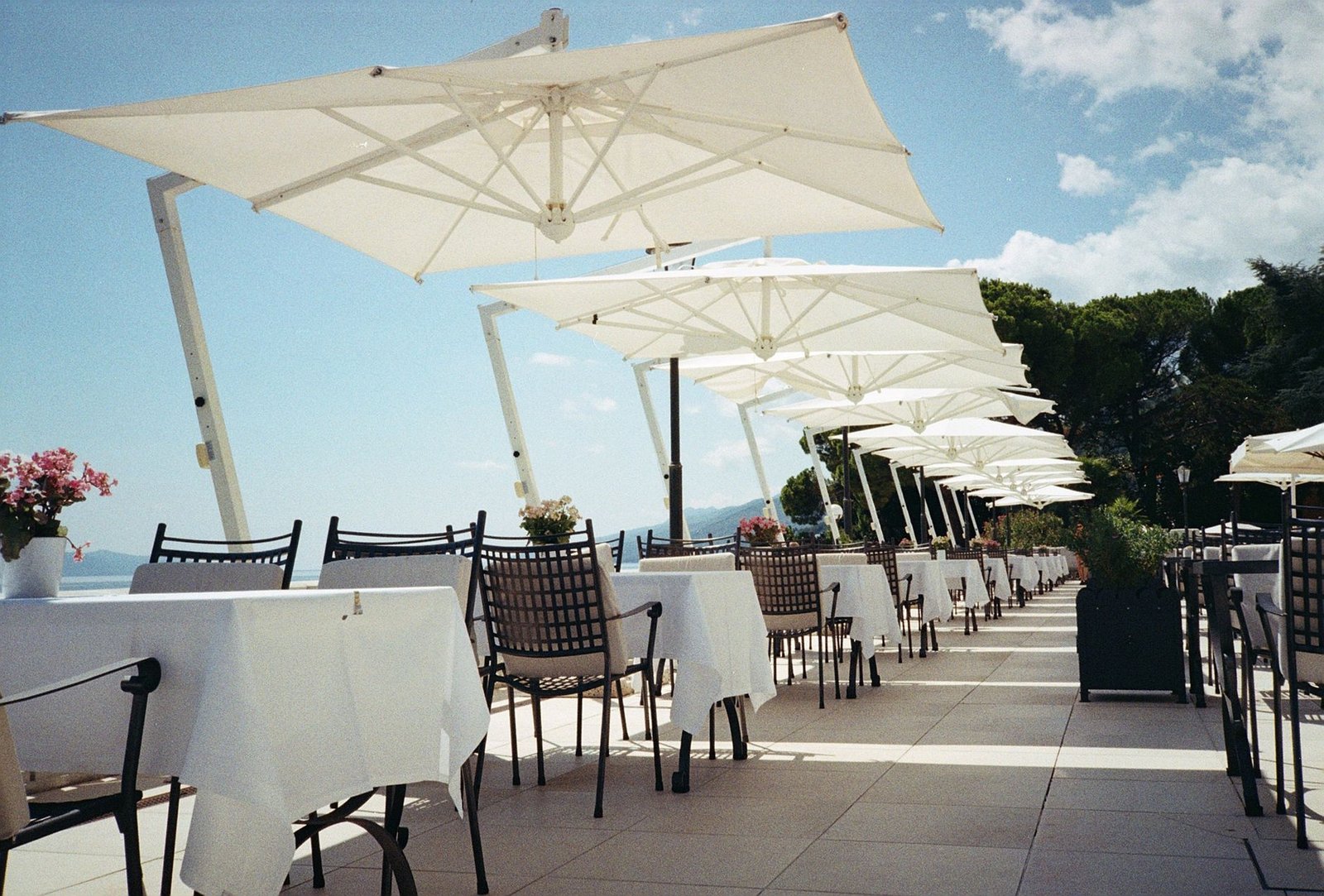
Large, cantilevered umbrellas have evolved significantly. The 2026 versions are solar-powered, enabling integrated LED lighting for evening ambiance and even charging ports for mobile devices. These smart umbrellas feature robust, UV-resistant fabrics with high UPF ratings and boast easy-to-operate crank or push-button mechanisms for effortless positioning. Some advanced models include wind-load engineering for increased stability and app connectivity for remote control, making them a flexible and eco-conscious choice for targeted shade.
6. Insulated Patio Covers with Diffused Skylights
For a more permanent and robust solution, insulated patio covers provide comprehensive shade and protection. Modern designs in 2026 incorporate advanced composite panels with excellent thermal insulation, keeping the area beneath cooler. Crucially, these covers can integrate diffused skylights or light panels that allow ambient light to filter through without harsh direct sun or excessive heat. This preserves brightness while eliminating glare, creating a comfortable, usable outdoor room that is protected from both sun and rain.
7. Modular Shade Pods and Gazebos
The trend for flexible, adaptable outdoor spaces has led to the popularity of modular shade pods and contemporary gazebos. These pre-fabricated structures, available in a variety of sizes and materials (including recycled aluminum, sustainable wood, and weather-resistant composites), offer a dedicated shaded zone. Many 2026 models feature integrated privacy screens, built-in seating, and even smart lighting or misting systems. Their modular nature allows for easy installation and potential relocation, providing a versatile and stylish shade solution.
8. Automated Privacy Screens with Integrated Planters
Combining functionality with aesthetics, automated privacy screens serve a dual purpose by offering both shade and seclusion. These screens can be constructed from slatted wood composites, metal, or durable woven materials and are often motorized to retract or extend as needed. For 2026, designs frequently incorporate integrated planters along their base or top edges, allowing for the addition of foliage that further enhances the cooling effect and visual appeal. This solution is particularly effective for blocking low-angle sun or creating intimate zones within a larger patio.
Selecting the Optimal Shade Solution
When selecting a shade solution for a north-facing patio, several factors warrant consideration. The resident should assess the specific sun path throughout the day and year, considering whether low-angle sun or prolonged morning/late afternoon exposure is the primary concern. Budget, desired aesthetic, maintenance requirements, and the level of automation preferred also play significant roles. Consulting with an expert can help match the ideal solution to the specific needs and design aspirations of the outdoor space, ensuring a comfortable and stylish patio for years to come.