
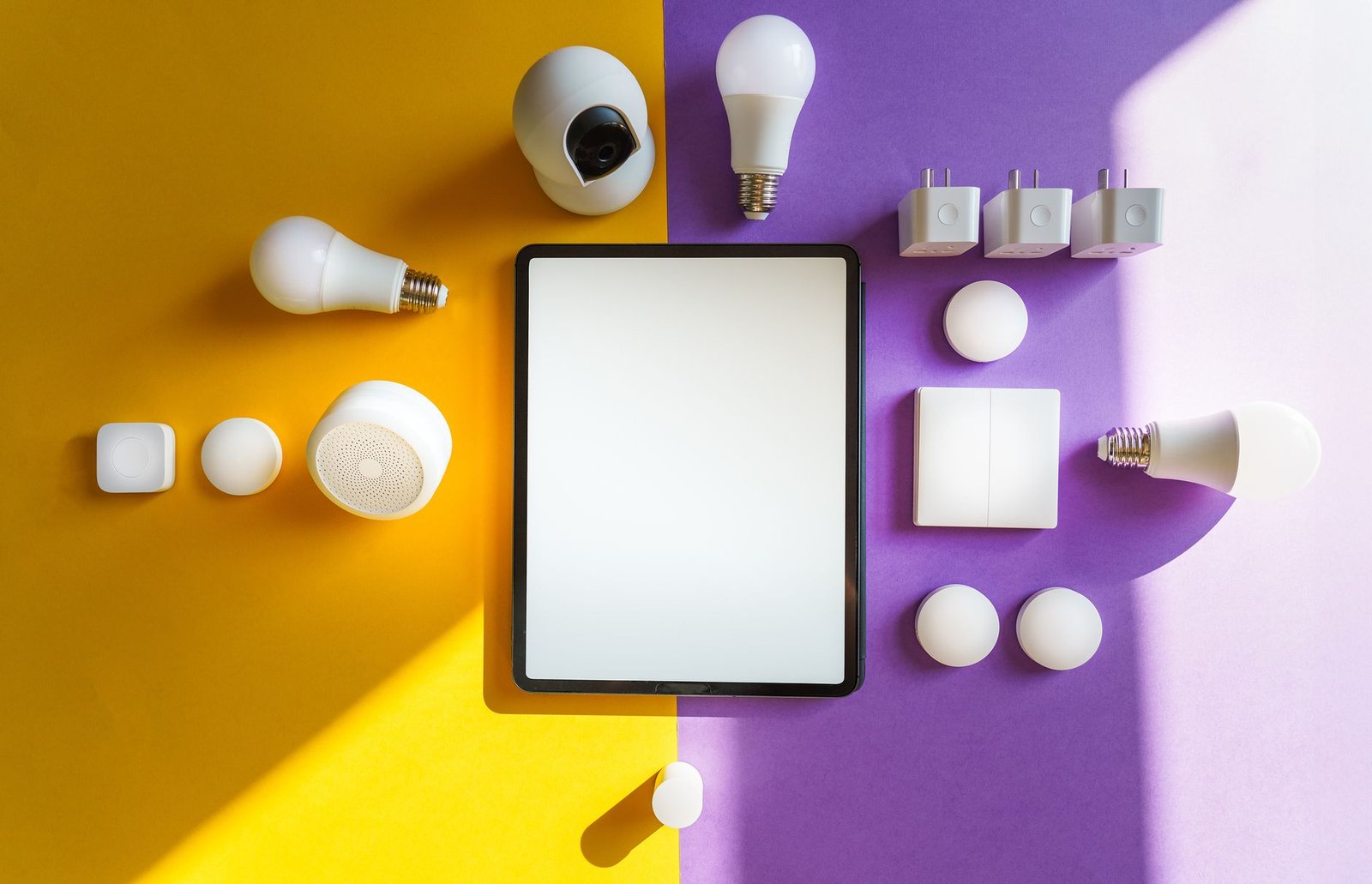
What Is the Best Smart Home Hub for Beginners in 2026?
For individuals embarking on their smart home journey in 2026, the optimal smart home hub typically balances intuitive setup with broad compatibility, offering a seamless entry point into connected living. Platforms integrated within established ecosystems, such as those leveraging Apple HomeKit, Google Home, or Amazon Alexa, generally present the smoothest experience for a first smart home system. These solutions capitalize on familiar user interfaces and a vast, pre-vetted array of compatible devices, significantly streamlining the initial setup process for the homeowner.
A smart home hub serves as the central brain of a connected dwelling, translating commands and coordinating communication between diverse smart devices. With the rapid evolution of smart home technology, including the maturing Matter protocol and increasingly sophisticated AI integration, selecting the right hub in 2026 means prioritizing simplicity, robust connectivity, and future-proofing. This guide assists the beginner in navigating the options, focusing on ease of use, essential features, and the trends shaping the modern smart home landscape.
Understanding Smart Home Hubs
A smart home hub acts as the orchestrator for all connected devices within a residence, bringing disparate technologies together under a single point of control. Without a hub, many smart devices operate independently, requiring separate applications and making unified automation challenging. The hub centralizes this management, creating a cohesive and responsive smart environment.
What a Hub Does
The primary function of a smart home hub is to facilitate communication between devices that may use different wireless protocols, such as Wi-Fi, Bluetooth, Zigbee, Z-Wave, and Thread. It translates these varied languages into a common one, allowing a smart lock to communicate with a smart light, or a motion sensor to trigger a thermostat adjustment. This centralization enables:
- Unified Control: Management of all devices from a single app or voice command.
- Automation: Creation of routines and scenes, where multiple devices respond to a single trigger (e.g., ‘Good Morning’ scene turning on lights and brewing coffee).
- Remote Access: Control of home devices from anywhere with an internet connection.
- Enhanced Reliability: Often, local processing of commands, reducing reliance on cloud services and improving response times.
Why a Hub is Essential for a First Smart Home System
For the beginner, a smart home hub is not just a convenience; it is a foundational component. It simplifies the learning curve by consolidating interfaces and provides the backbone for future expansion. A well-chosen hub ensures that as the resident adds more devices, the system remains manageable and performs efficiently, preventing the common frustration of a fragmented smart home.
Key Considerations for Beginners in 2026
Choosing a smart home hub in 2026 involves evaluating several critical factors, especially for a beginner prioritizing a smooth and reliable experience.
Simplicity of Installation and Setup
The initial setup process can often be daunting. For beginners, a hub offering guided, app-based installation is paramount. Systems that provide clear instructions, automatic device discovery, and minimal manual configuration significantly enhance the user experience. Features like QR code pairing for new devices and intuitive onboarding tutorials are highly beneficial.
Device Compatibility and Ecosystem Integration
Compatibility is arguably the most crucial factor. The ideal hub for a beginner in 2026 will have broad support for various device types and brands. The emergence and widespread adoption of the Matter protocol have become a game-changer, promising unprecedented interoperability across different manufacturers and ecosystems. Homeowners should seek hubs that fully support Matter, ensuring future purchases seamlessly integrate into their system. Beyond Matter, consideration of existing devices or preferred brand ecosystems (e.g., Apple, Google, Amazon) will guide the selection, as these platforms often offer tighter integration for their proprietary and partner devices.
Essential Features for a First Smart Home System
While advanced features exist, beginners should focus on core functionalities that offer immediate value:
- Voice Control Integration: Seamless operation with preferred voice assistants (Siri, Google Assistant, Alexa).
- Remote Access: The ability to control devices and monitor home status from outside the residence.
- Basic Automation: Simple routines based on schedules, presence detection, or sensor input (e.g., lights on at sunset).
- Energy Monitoring: While not strictly essential, hubs with energy tracking capabilities can help the resident understand and optimize consumption, aligning with 2026’s increased focus on sustainability.
Privacy and Security
Data privacy and system security are non-negotiable in 2026. The selected hub should offer robust encryption, secure authentication methods, and clear policies regarding data handling. Hubs that prioritize local processing for core functions reduce reliance on cloud servers, enhancing both privacy and response times. Regular firmware updates are also essential for patching vulnerabilities and ensuring long-term security.
Top Smart Home Hub Recommendations for Beginners
For beginners in 2026, the most accessible and recommended smart home hubs are often those deeply integrated into major technology ecosystems, functioning as the central control point without requiring extensive technical knowledge.
Ecosystem-Integrated Hubs (e.g., Apple HomePod, Google Nest Hub, Amazon Echo Devices)
These devices serve as more than just smart speakers or displays; they act as powerful hubs for their respective ecosystems, offering significant advantages for beginners:
- Apple HomeKit (via HomePod or Apple TV): For residents deeply embedded in the Apple ecosystem, HomeKit offers exceptional privacy and a highly intuitive interface through the Home app. HomePod and Apple TV devices function as HomeKit hubs, providing Thread network support (crucial for Matter) and robust automation capabilities. The emphasis on user privacy and seamless integration with other Apple devices makes it a strong contender for beginners prioritizing ease of use and security.
- Google Home (via Nest Hub or compatible Google speakers): Google’s ecosystem is known for its powerful AI and deep integration with services. Google Nest Hubs and other Assistant-enabled speakers act as hubs, supporting Wi-Fi, Bluetooth, and increasingly Thread. The Google Home app provides a comprehensive interface for managing devices and routines, while Google Assistant offers advanced voice control and proactive suggestions. Matter support is a key focus for Google, ensuring broad compatibility.
- Amazon Alexa (via Echo Show or Echo devices): Amazon’s Alexa ecosystem boasts the widest array of compatible devices and a mature voice assistant. Echo devices, especially those with built-in Zigbee and Thread radios (like the Echo Show and newer Echo models), can serve as effective hubs. The Alexa app simplifies device management, and the vast number of skills provides extensive customization. Amazon’s continued commitment to Matter ensures its future relevance.
These ecosystem-integrated options are ideal because they leverage existing user familiarity with the respective brands, offer strong voice control, and simplify device pairing through their established apps. They generally require less configuration than standalone universal hubs, making them perfect for a first smart home system.
Setting Up the First Smart Home System
Establishing a smart home system for the first time can be an exciting endeavor. A structured approach ensures a smooth and effective implementation.
Planning the Ecosystem
Before purchasing devices, the homeowner should consider their primary needs. Will the focus be on lighting, security, climate control, or entertainment? Identifying these core areas helps in selecting compatible devices within the chosen hub’s ecosystem. Starting with a few essential devices (e.g., smart lights and a smart plug) allows for gradual expansion and learning.
Step-by-Step Installation
- Unboxing and Hub Placement: Position the smart home hub centrally within the residence for optimal wireless coverage.
- App Download and Account Setup: Install the hub’s accompanying mobile application and create an account.
- Device Pairing: Follow the app’s instructions to pair the first smart devices. This often involves scanning a QR code or entering a serial number, especially with Matter-certified devices.
- Basic Automation: Create simple routines, such as ‘lights on at sunset’ or ‘thermostat adjusts when motion is detected’.
- Testing and Troubleshooting: Thoroughly test all connections and automations. Refer to manufacturer support or community forums for any issues.
The Future of Smart Homes: Trends for 2026 and Beyond
The smart home landscape in 2026 is characterized by significant advancements and evolving priorities, offering exciting prospects for new users.
AI Integration and Proactive Automation
Smart home hubs are increasingly leveraging artificial intelligence for more proactive and personalized automation. Instead of just following predefined rules, systems in 2026 are beginning to learn residents’ habits and preferences, anticipating needs and making adjustments autonomously. This includes predictive climate control, adaptive lighting based on natural light cycles, and even proactive maintenance alerts for appliances. Edge AI processing within hubs is becoming more common, enabling faster, more private data analysis without constant reliance on cloud services.
Matter Protocol Maturation and Universal Interoperability
The Matter protocol, introduced in prior years, has reached significant maturity in 2026, solidifying its role as the industry standard for smart home communication. This means virtually all new smart home devices are expected to be Matter-certified, eliminating previous compatibility headaches and fostering a truly open ecosystem. Homeowners can confidently purchase devices from different manufacturers, knowing they will seamlessly integrate with their Matter-enabled hub.
Sustainable Smart Materials and Energy Efficiency
A growing trend in 2026 is the emphasis on sustainability within smart home technology. Device manufacturers are increasingly using recycled plastics, bamboo, and other bioplastics in product casings, reducing environmental impact. Furthermore, hubs and connected devices are designed with greater energy efficiency in mind, optimizing power consumption through advanced chip designs and intelligent power management, aligning with global efforts towards greener living.
Enhanced Security and Privacy
As smart homes become more integrated into daily life, security and privacy remain paramount. In 2026, smart home hubs offer more sophisticated encryption methods, multi-factor authentication, and greater control over data sharing. The trend towards increased local processing not only speeds up commands but also enhances privacy by keeping sensitive data within the home network rather than transmitting it to the cloud.
Ambient Computing and Seamless Integration
The vision of ambient computing—where technology fades into the background, responding naturally to the environment and human presence—is steadily progressing. Smart home hubs are evolving to support more natural interactions, less reliant on explicit commands. This includes more advanced sensor fusion, contextual awareness, and the ability for the home environment to adapt intuitively to the resident’s mood or activity, creating a truly responsive and comfortable living space.
Conclusion
For the beginner venturing into smart home technology in 2026, the selection of an appropriate hub is a pivotal decision. Prioritizing solutions integrated within established ecosystems like Apple HomeKit, Google Home, or Amazon Alexa provides an accessible and robust starting point due to their ease of setup, extensive compatibility facilitated by the Matter protocol, and intuitive user interfaces. As the smart home continues its rapid evolution with advancements in AI, sustainable materials, and enhanced privacy features, choosing a foundational hub that emphasizes simplicity and expandability ensures a rewarding and future-proof smart living experience.