
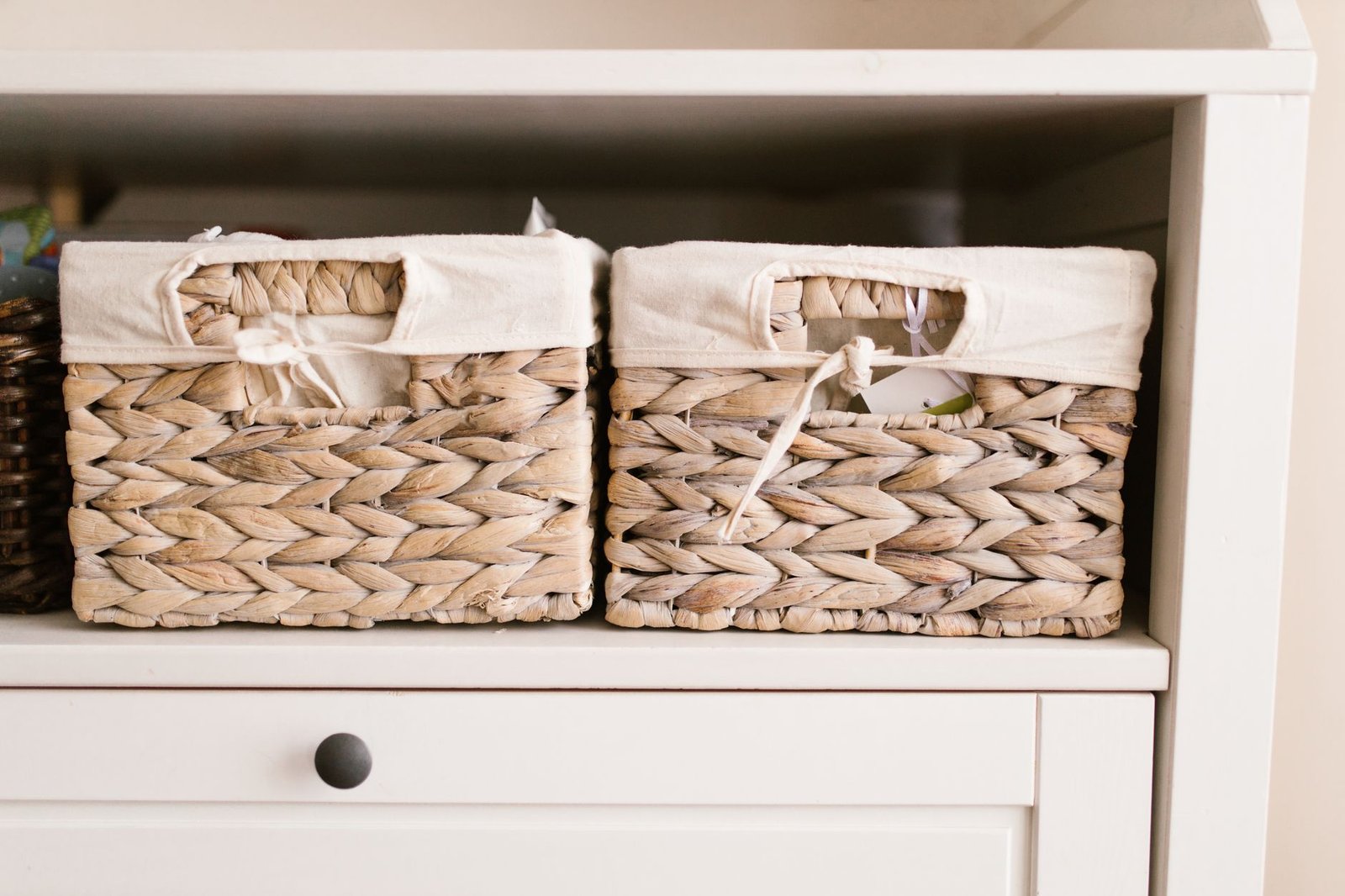
When organizing a home, the choice between plastic storage bins and fabric baskets often presents a nuanced decision for the resident. In 2026, with evolving material science and refined aesthetic preferences, neither option universally outperforms the other; instead, the superior choice hinges on specific functional requirements, desired visual integration, and the environmental considerations of the homeowner.
Understanding the distinct advantages and limitations of each storage solution, alongside contemporary trends, empowers the individual to curate an organized space that is both efficient and visually cohesive. This analysis delves into the modern context of both plastic bins and fabric baskets to clarify their optimal applications.
The Enduring Appeal of Plastic Storage Bins in 2026
Plastic storage bins continue to be a staple in home organization for compelling reasons, bolstered by innovations in material science by 2026. Modern plastic options prioritize durability, clarity, and enhanced sustainability, making them highly effective for certain storage scenarios.
Pros of Plastic Storage Bins:
- Exceptional Durability and Longevity: Advanced polymers, often incorporating significant percentages of recycled content, offer robust construction that withstands heavy use and protects contents effectively. They resist crushing, tearing, and general wear over long periods.
- Superior Protection: Plastic bins provide an impermeable barrier against dust, moisture, and pests, making them ideal for storing sensitive items or use in environments prone to such issues, like basements, garages, or attics.
- High Visibility: A wide range of clear plastic options allows for easy identification of contents without needing to open the bin, streamlining the retrieval process. Smart labels and QR code integration are common features in 2026, linking physical storage to digital inventories.
- Stackability and Space Efficiency: The rigid structure of plastic bins makes them inherently stackable, maximizing vertical storage space. Many designs feature interlocking lids or tapered bodies for nested storage when empty.
- Ease of Cleaning: Non-porous surfaces allow for quick wiping and sanitization, a critical advantage for items stored in workshops, playrooms, or food pantries.
- Cost-Effectiveness: While specialized smart bins can be pricier, standard recycled plastic bins remain one of the most economical bulk storage solutions available.
Cons of Plastic Storage Bins:
- Aesthetic Limitations: Despite advancements in design, plastic bins often possess a utilitarian appearance that may clash with sophisticated interior aesthetics, particularly in visible living areas.
- Environmental Impact Concerns: While recycled content is prevalent in 2026, the perception of plastic’s environmental footprint persists. Homeowners prioritize products with clear recycling pathways and minimal virgin plastic use.
- Rigidity and Space Adaptation: Their fixed shape means plastic bins are less adaptable to irregularly shaped spaces or items, and they cannot be collapsed when not in use.
- Potential for Off-Gassing: Though regulated, some lower-quality plastics can still emit volatile organic compounds (VOCs). By 2026, consumers widely seek out BPA-free and non-toxic certified options.
Best Uses for Plastic Storage Bins:
Plastic bins are invaluable for long-term storage in utility areas like garages, basements, and attics. They are ideal for tools, seasonal decorations, bulk pantry items, archived documents, and any goods requiring protection from environmental factors. Their durability makes them perfect for children’s toys and craft supplies where frequent cleaning is necessary.
The Evolving Elegance of Fabric Baskets in 2026
Fabric baskets have transitioned from simple decorative pieces to sophisticated, functional storage solutions. The 2026 market sees an emphasis on sustainable materials, refined textures, and integrated structural support that enhances their utility without sacrificing their aesthetic appeal.
Pros of Fabric Baskets:
- Superior Aesthetics and Design Integration: Available in a vast array of colors, textures, and patterns, fabric baskets effortlessly blend with diverse interior design schemes. Materials like organic cotton, jute, wool felt, and recycled PET felt offer a tactile richness often preferred for visible storage.
- Softness and Safety: Their pliable nature makes them ideal for storing delicate items, clothing, or for use in children’s rooms where hard edges pose a concern.
- Flexibility and Adaptability: Fabric baskets can conform slightly to fit into tighter or irregular spaces. Many are collapsible, offering easy storage when not in use.
- Portability and Lightweight: Generally lighter than their plastic counterparts, fabric baskets are convenient for moving contents from one room to another.
- Breathability: Natural fiber baskets allow for air circulation, which can be beneficial for storing linens, towels, and clothing, reducing mustiness.
- Sustainability Focus: The 2026 market heavily features fabric baskets made from renewable resources, recycled textiles, or biodegradable materials, appealing to environmentally conscious consumers.
Cons of Fabric Baskets:
- Reduced Durability and Protection: Fabric is susceptible to tearing, staining, and wear over time. It offers minimal protection against moisture, dust, or pests, making it unsuitable for certain environments or item types.
- Cleaning Challenges: Most fabric baskets require spot cleaning or gentle hand washing, which can be less convenient than simply wiping down a plastic surface.
- Limited Visibility: The opaque nature of fabric baskets means contents are not visible, necessitating clear labeling for efficient retrieval.
- Less Stackable: While some designs include rigid frames for stacking, most fabric baskets are not designed for vertical stacking, limiting their efficiency in certain contexts.
- Higher Cost for Premium Materials: High-quality, sustainable, or designer fabric baskets can command a significantly higher price point than basic plastic bins.
Best Uses for Fabric Baskets:
Fabric baskets excel in visible storage applications within living rooms, bedrooms, nurseries, and open shelving. They are perfect for corralling throw blankets, magazines, remote controls, children’s toys (especially plush ones), laundry, and personal care items. Their soft aesthetic makes them ideal for adding warmth and texture to a space while maintaining organization.
2026 Trends and Material Innovations Driving Choices
The year 2026 has seen significant advancements influencing storage choices:
- Sustainable Materials Take Center Stage: Demand for recycled and responsibly sourced materials continues to grow. This includes post-consumer recycled (PCR) plastics with enhanced aesthetic finishes and an expanded range of organic, recycled, and upcycled fabrics like hemp, linen blends, and innovative mushroom-based textiles.
- Integrated Smart Features: Some high-end plastic bins now incorporate RFID tags or NFC chips for seamless integration with home inventory apps, allowing homeowners to track contents and locations digitally. Fabric options are exploring embedded sensors for environmental monitoring (e.g., humidity).
- Aesthetics Meet Functionality: Plastic bins are seeing more sophisticated designs, including matte finishes, integrated handle designs, and customizable inserts. Fabric baskets increasingly feature discreet internal rigid frames to improve stackability and maintain shape, blurring the lines between the two categories.
- Modularity and Customization: Storage systems are designed with greater modularity, allowing residents to combine different types and sizes of bins and baskets for a highly personalized organization solution. Custom color palettes and material combinations are increasingly available.
- Health and Wellness Focus: The emphasis on non-toxic, chemical-free materials is paramount. Manufacturers are providing transparent certifications for BPA-free plastics and Oeko-Tex certified fabrics, catering to health-conscious households.
Making the Optimal Choice for the Modern Home
Ultimately, the question of whether plastic bins or fabric baskets are