
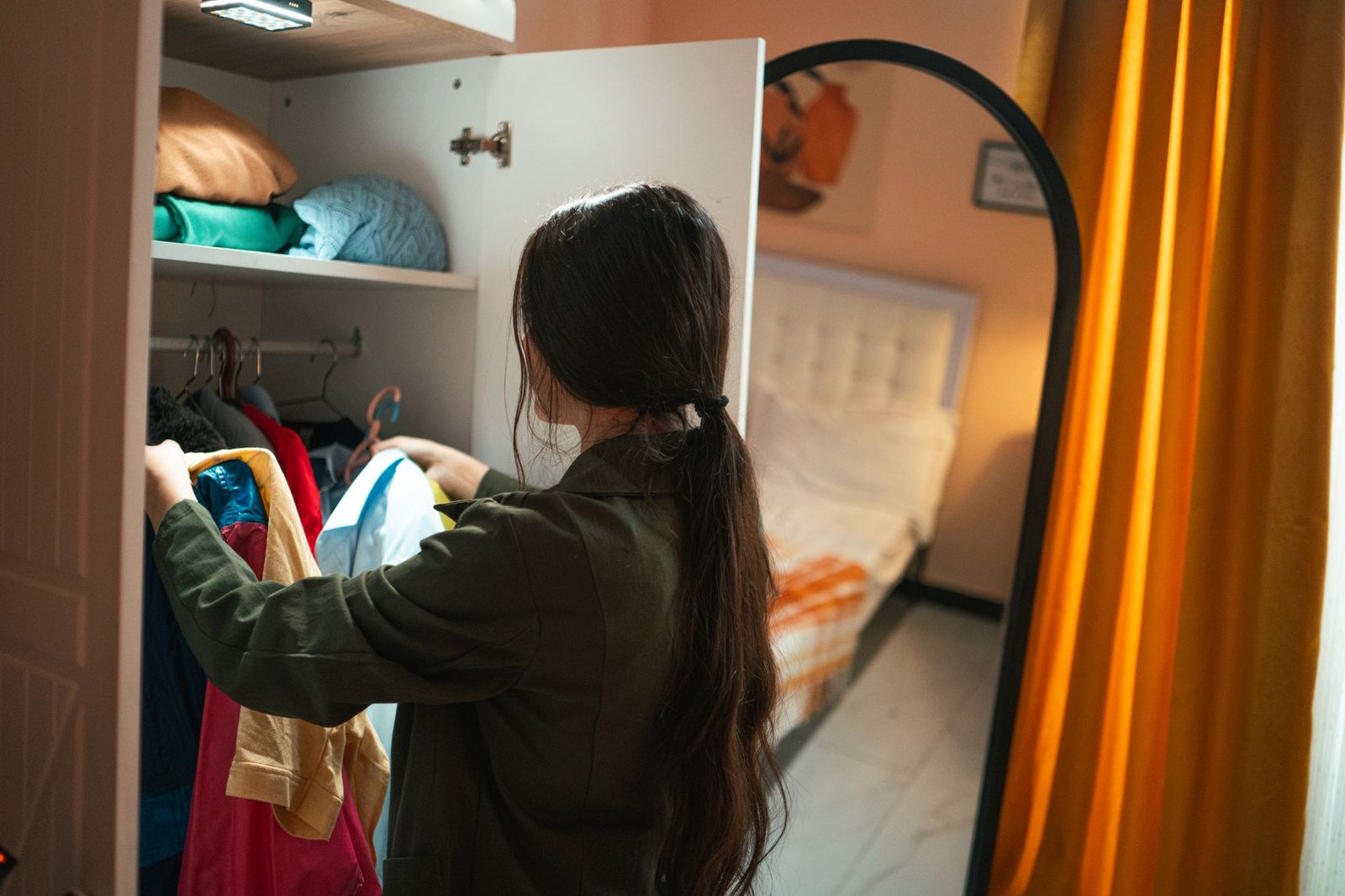
A small bedroom lacking a traditional closet presents a common design challenge, yet numerous innovative built-in storage alternatives exist to maximize space efficiently. For 2026, homeowners can leverage seven storage-savvy built-in solutions that integrate seamlessly with modern interior design trends, transforming compact areas into highly functional and stylish retreats. These solutions prioritize both aesthetics and utility, ensuring every inch serves a specific purpose for the resident.
The Evolving Landscape of Bedroom Design in 2026
Modern living often necessitates a thoughtful approach to space utilization, particularly in urban dwellings where square footage is at a premium. The demand for efficient, aesthetically pleasing storage solutions in compact bedrooms has never been higher. As design philosophies evolve for 2026, there is a strong emphasis on integration, sustainability, and smart technology, moving beyond standalone furniture to bespoke, architectural solutions.
Contemporary interior design trends lean towards minimalist aesthetics, biophilic integration, and the use of natural, sustainable materials. Residents are seeking environments that not only look good but also function seamlessly, reduce clutter, and contribute to overall well-being. Built-in alternatives perfectly align with these trends, offering tailored solutions that enhance both form and function without overwhelming the limited space available.
7 Storage-Savvy Built-In Alternatives for Closet-Free Bedrooms
1. Elevated Platform Beds with Integrated Storage
Platform beds with integrated storage represent a fundamental shift in maximizing under-bed real estate. Instead of relying on dust-prone under-bed bins, these systems incorporate deep drawers, pull-out cabinets, or even hydraulic lift mechanisms that reveal a vast storage area beneath the mattress. For 2026, designs often feature recycled timber composites or advanced, durable laminates with textured finishes, providing both a tactile experience and robust functionality. Integrated smart features, such as hidden USB charging ports and motion-activated LED lighting within drawers, enhance convenience for the resident.
2. Seamless Wall-to-Wall Wardrobe Systems
When a dedicated closet is absent, a wall-to-wall built-in wardrobe system becomes an indispensable solution. These systems are custom-designed to span an entire wall, from floor to ceiling, making them appear as an integral part of the room’s architecture rather than a separate furniture piece. Modern iterations for 2026 showcase sleek, handle-less doors with push-to-open mechanisms, often clad in matte finishes, reeded panels, or even smart glass that can transition from opaque to transparent. Internally, modular components allow for personalized configurations of hanging space, shelving, and pull-out accessories, ensuring optimal organization for the homeowner.
3. Multifunctional Window Seats with Hidden Compartments
A window seat offers a charming focal point while cleverly addressing storage needs. By integrating hidden compartments beneath the seating area, this solution provides significant space for linens, books, or seasonal clothing. Designs for 2026 frequently incorporate biophilic elements, utilizing natural fabrics like linen or hemp for cushions and often featuring integrated planters at either end. The structure itself can be crafted from reclaimed wood or sustainably sourced engineered timber, blending comfort with eco-conscious design. This creates a cozy nook for relaxation while efficiently utilizing an often-underutilized wall section.
4. Bespoke Headboard and Wall-Panel Storage
The area behind the bed, typically reserved for a simple headboard, can be transformed into a powerhouse of storage. Extending the headboard into a full wall panel allows for the integration of shallow shelving, concealed drawers, and even small, pull-out wardrobe sections on either side of the bed. Materials trending in 2026 include upholstered panels with acoustic properties, textured wood veneers, or innovative composite materials that offer a range of finishes. Smart home controls, such as bedside lighting and climate adjustments, can be seamlessly integrated into these bespoke units, enhancing the resident’s comfort and convenience.
5. Alcove Integration: Shelving, Desks, and Wardrobe Nooks
Architectural alcoves, often seen as challenging spaces, are prime candidates for custom built-in solutions. These recessed areas can be perfectly fitted with floor-to-ceiling shelving, a compact, pull-out desk, or even a narrow, custom-designed wardrobe nook. The beauty lies in their bespoke nature, ensuring that every millimeter is utilized. Minimalist designs with integrated LED strip lighting are popular in 2026, highlighting curated displays or providing focused task lighting for a workspace. This approach transforms awkward corners into highly functional and attractive zones.
6. Vertical Storage Towers and Corner Solutions
Leveraging vertical space is crucial in small rooms. Slimline vertical storage towers, custom-built to fit narrow gaps or corners, offer substantial capacity without consuming much floor area. These solutions can feature pull-out pantries designed for clothing, rotating shelving units for accessories, or a combination of open and closed compartments. Materials such as lightweight metal frames combined with translucent or reeded glass panels are gaining traction in 2026, offering a modern aesthetic while providing a degree of visual lightness. This strategy effectively utilizes often-ignored corner spaces, maximizing the room’s storage potential.
7. Modular Wall Systems with Convertible Elements
For ultimate flexibility, modular wall systems offer a dynamic approach to storage. These systems consist of various interchangeable components that can be reconfigured as needs evolve. Elements might include shelving units, integrated desks, and even fold-down beds or hidden wardrobe sections that emerge when required. The innovation in 2026 often includes smart technology, allowing certain sections to be automated or controlled remotely. Sustainability is also a key driver, as the reconfigurability of these systems reduces waste and extends product longevity, providing long-term value for the homeowner.
Integrating Style, Sustainability, and Smart Living
The successful implementation of built-in storage alternatives hinges not only on their functionality but also on their seamless integration with the overall interior aesthetic, adherence to sustainable practices, and incorporation of smart home technologies.
Sustainable Material Choices
In 2026, the emphasis on sustainability is paramount. Designers are increasingly specifying materials such as recycled plastics, certified timber, bamboo, and reclaimed wood for built-in units. Low-VOC (Volatile Organic Compound) finishes and eco-friendly textiles are preferred for any upholstered elements. These choices contribute to healthier indoor air quality and reduce the environmental footprint, aligning with a growing eco-conscious resident base.
Smart Home Integration
The convenience of smart living is now expected. Built-in solutions for 2026 often incorporate discreet smart features: automated LED lighting within wardrobes that activate upon opening, hidden charging stations for devices, integrated climate controls, and even subtle sound systems. These technologies enhance functionality without adding visual clutter, maintaining the minimalist aesthetic desired by many.
Aesthetic Cohesion and Personalization
The beauty of built-in storage lies in its customizability. Homeowners can choose finishes, colors, and hardware that perfectly complement their existing decor. Trending palettes for 2026 include calming neutrals, earthy tones, and subtle pastels, often combined with textured materials like fluted wood panels or linen upholstery. The goal is to create a cohesive, personalized space where storage is not just a necessity but an integral, beautiful design element that enhances the overall comfort and utility of the small bedroom.
By embracing these seven innovative built-in alternatives, residents of small, closet-free bedrooms can transcend spatial limitations. The focus remains on creating highly functional, stylish, and sustainable environments that reflect modern living principles and leverage the latest in design and material advancements. Rethinking the traditional closet allows for the creation of truly bespoke and comfortable personal retreats.