
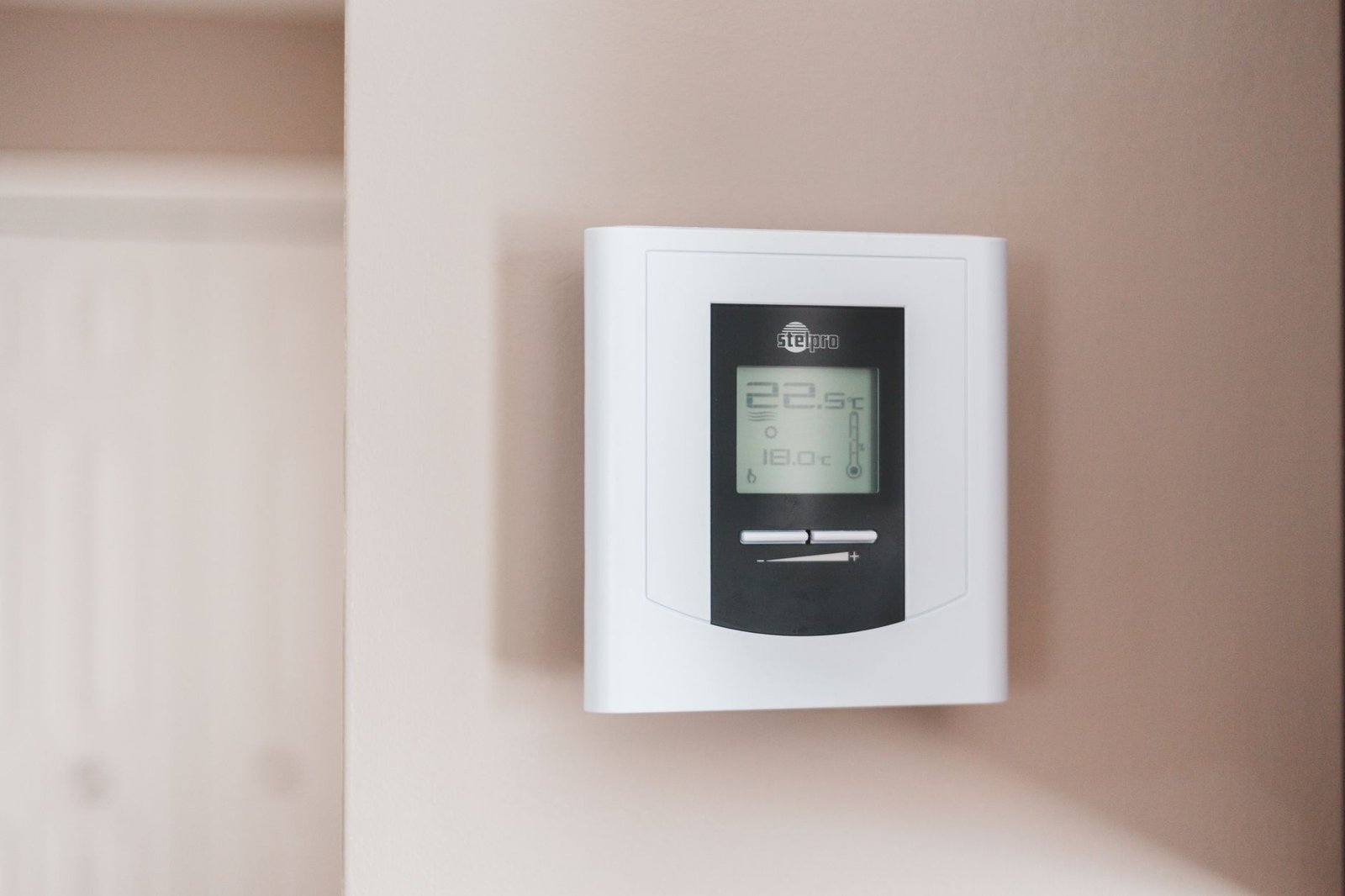
In 2026, identifying the best smart thermostat for optimal energy savings involves evaluating devices that leverage advanced AI, seamless smart home integration, and intuitive controls. The market leaders demonstrating superior capabilities in reducing utility bills include the Ecobee SmartThermostat Premium, the Google Nest Learning Thermostat (6th Gen), and the Honeywell Home T10 Pro, each offering distinct advantages for the energy-conscious homeowner. These systems are designed to provide precise climate control and intelligent energy management, making them essential components of a modern, efficient residence.
Understanding Smart Thermostat Technology in 2026
The landscape of smart thermostat technology in 2026 is defined by unprecedented levels of intelligence and connectivity. Artificial intelligence now plays a pivotal role, enabling devices to learn residential patterns with remarkable accuracy and to predict heating and cooling needs based on hyper-local weather forecasts and even utility grid demand. Modern systems integrate comprehensive sensor arrays that go beyond simple temperature readings, incorporating occupancy detection, humidity levels, and even indoor air quality monitoring for a holistic approach to environmental control. The industry’s focus on open standards like Matter and Thread has revolutionized interoperability, ensuring that smart thermostats communicate seamlessly with a broader ecosystem of smart home devices, regardless of manufacturer. Material science advancements contribute to more durable and accurate sensors, while energy harvesting techniques are beginning to reduce reliance on traditional power sources for some peripheral sensors, pushing the boundaries of sustainable design.
The Evolution of Predictive Algorithms
Today’s smart thermostats utilize sophisticated algorithms that constantly refine their understanding of a dwelling’s thermal dynamics. These systems consider factors such as insulation quality, window efficiency, and even the thermal mass of building materials, which have seen significant improvements with the adoption of phase-change materials and advanced composites in construction. By analyzing historical data, current conditions, and projected external influences, these devices can proactively adjust settings to maintain comfort while minimizing energy consumption. This proactive approach significantly reduces temperature swings and the associated energy waste.
Top Contenders for Energy Efficiency
For homeowners prioritizing energy savings, several smart thermostats stand out in 2026, offering a blend of advanced features and proven performance.
Ecobee SmartThermostat Premium
The Ecobee SmartThermostat Premium continues to be a top-tier choice for its comprehensive approach to home climate management. This device excels with its included remote sensors, which monitor temperature and occupancy in multiple rooms, ensuring comfort where it matters most and preventing heating or cooling of unoccupied spaces. Its eco+ smart features leverage local weather patterns, time-of-use utility rates, and residential preferences to automatically optimize schedules for maximum savings. Furthermore, integrated indoor air quality monitoring and built-in voice assistant capabilities enhance its utility, making it a central hub for environmental control and convenience.
Google Nest Learning Thermostat (6th Gen)
The Google Nest Learning Thermostat (6th Gen) remains a formidable competitor, renowned for its intuitive learning capabilities and sleek design. This iteration has refined its ability to adapt to residential routines, automatically creating an energy-efficient schedule within days of installation. Its Home/Away Assist feature utilizes geofencing and occupancy sensors to automatically switch to an Eco Temperature when no one is home, preventing unnecessary energy expenditure. The Farsight display makes current temperature and weather visible from across the room, providing at-a-glance information. Seamless integration within the Google Home ecosystem further enhances its appeal for residents with other Google-powered smart devices.
Honeywell Home T10 Pro Smart Thermostat with RedLINK Room Sensors
For larger homes or those requiring precise multi-zone control, the Honeywell Home T10 Pro with RedLINK Room Sensors is an excellent solution. This system allows for the creation of specific comfort zones, ensuring individual areas are heated or cooled only when needed. The wireless RedLINK sensors provide accurate temperature and humidity readings from various rooms, feeding crucial data back to the main unit for optimized performance. The T10 Pro is particularly praised for its robust HVAC compatibility and the reliability of its professional-grade components, making it a durable and highly effective choice for complex residential heating and cooling systems.
Key Features Driving Savings
Beyond the core functionality, specific features contribute significantly to a smart thermostat’s energy-saving potential.
- Occupancy Sensing and Geofencing: These technologies detect when a residence is empty, automatically adjusting temperature to an energy-saving setback. This prevents heating or cooling an unoccupied dwelling.
- Smart Scheduling and Predictive Capabilities: Advanced algorithms learn residential patterns and integrate hyper-local weather forecasts, utility demand response programs, and even daylight savings to optimize heating and cooling schedules, reducing energy waste.
- Detailed Energy Reports and Insights: The provision of historical energy usage data and personalized tips empowers the homeowner to identify patterns of consumption and make informed decisions to further reduce utility bills.
- Zoned Heating/Cooling: For dwellings with multiple zones, this allows for individual temperature control in different areas, ensuring energy is only used where and when it is needed, which is particularly beneficial for residences with varying occupancy patterns.
- Integration with Utility Demand Response Programs: Many smart thermostats can automatically adjust temperatures during peak energy demand periods when utility rates are highest, helping to reduce grid strain and lower the homeowner’s costs through incentives or reduced consumption.
Integration and Future-Proofing
The smart home ecosystem is constantly evolving, and a thermostat’s ability to integrate with other devices and adapt to future technologies is crucial for long-term satisfaction and efficiency. The growing adoption of Matter and Thread standards ensures broader compatibility, allowing devices from different manufacturers to communicate effortlessly. This means a smart thermostat can trigger smart blinds to close on a sunny day or coordinate with air purifiers based on air quality readings. Support for popular voice assistants like Amazon Alexa, Google Assistant, and Apple Siri provides convenient hands-free control. Furthermore, robust HVAC compatibility is essential, ensuring the device can seamlessly integrate with a wide range of heating and cooling systems, from traditional furnaces to modern heat pumps and geothermal systems. Prioritizing devices that adhere to these open standards offers a degree of future-proofing, protecting the resident’s investment as smart home technology continues to advance.
Making the Right Choice for the Homeowner
Selecting the best smart thermostat for energy savings in 2026 requires careful consideration of several factors tailored to the individual residence. The size and layout of the dwelling, the complexity of the existing HVAC system, and the homeowner’s desired level of interaction with smart home technology all play a role. Consideration should be given to existing smart home ecosystems to ensure seamless integration. While professional installation may be recommended for certain advanced systems like the Honeywell T10 Pro, many modern thermostats offer straightforward DIY setup. Ultimately, the most effective smart thermostat is one that combines advanced energy-saving features with ease of use and reliable performance, empowering the homeowner to achieve optimal comfort while significantly reducing their environmental footprint and utility expenses.