
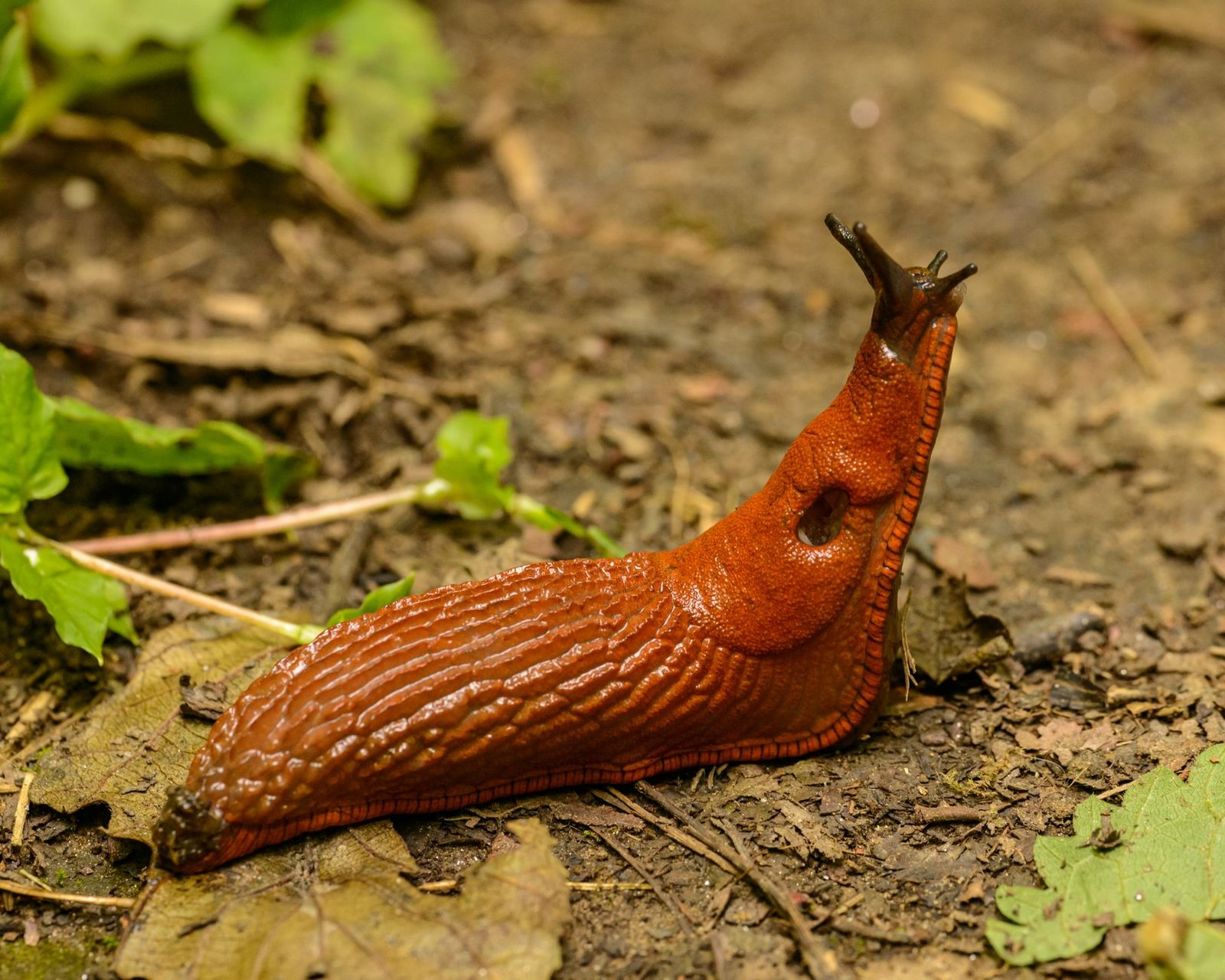
When slugs and snails begin to devour tender plants, the sight of stripped leaves and slime trails can be disheartening for any gardening enthusiast. These common garden pests are indeed a persistent challenge, but achieving a vibrant, intact garden without resorting to harsh chemicals is entirely possible through effective, safe, and organic do-it-yourself solutions. In 2026, with an increasing global emphasis on sustainable living and ecological balance, the adoption of eco-friendly pest management has become more prevalent, driven by a deeper understanding of garden ecosystems and innovative material developments.
Understanding the Garden’s Gastropod Guests
Slugs and snails, collectively known as gastropods, thrive in moist environments and are most active during cooler, damper periods, typically at dusk, overnight, or after rain. Their voracious appetites can lead to significant damage, particularly to young seedlings, leafy greens, and flowering plants, making them a top concern for homeowners dedicated to nurturing healthy landscapes. The shift in 2026 towards integrated pest management prioritizes prevention and non-toxic interventions, recognizing the importance of preserving biodiversity and ensuring the safety of garden produce for consumption.
Understanding their behavior is key to effective control. They are attracted to decaying organic matter and seek shelter under rocks, logs, dense ground cover, and garden debris during the day. Modern horticultural practices in 2026 emphasize not just treating the problem, but also understanding the environmental factors that contribute to their presence, thereby creating a less hospitable environment for these mollusks.
Top 5 DIY Organic Slug & Snail Remedies for 2026
1. The Copper Barrier: A Modern Twist
Copper creates a mild electrical charge that slugs and snails find highly irritating, acting as an effective deterrent without causing harm. For 2026, advances in material science have led to more durable and aesthetically pleasing copper barrier solutions. The resident can apply self-adhesive copper tape around raised beds, pots, or directly onto vulnerable plant stems. Newer formulations of copper tape often feature enhanced adhesive strength, resisting moisture and weather exposure for longer periods. Additionally, some contemporary gardening suppliers offer sustainable, recycled copper mesh or woven copper fabric, which can be strategically placed as a protective collar around individual plants or used to line the edges of garden beds, offering a more robust and long-lasting barrier. This method is particularly valued for its longevity and minimal maintenance once installed.
2. Diatomaceous Earth: The Microscopic Defense
Diatomaceous Earth (DE) is a naturally occurring, soft, siliceous sedimentary rock that crumbles into a fine, abrasive powder. Food-grade DE works by physically abrading the outer protective layer of slugs and snails, causing them to dehydrate. For optimal effectiveness, a consistent, dry barrier of DE should be sprinkled around the base of vulnerable plants or across garden paths. In 2026, the use of DE remains a staple in organic pest control, often integrated with smart garden sensors that monitor soil moisture. These sensors can alert the homeowner to dry conditions, indicating the ideal time to reapply DE for maximum impact. It is crucial to reapply after rain or heavy watering, as moisture reduces its efficacy. This method is non-toxic to pets and humans, making it a safe choice for family gardens.
3. Beer Traps & Yeast Lures: An Oldie But Goodie with a New Edge
The traditional beer trap remains a remarkably effective method due to its fermentation by-products, which act as a powerful attractant for slugs and snails. Shallow containers, such as recycled yogurt cups or purpose-designed biodegradable traps, can be partially buried in the garden with the rim at ground level, then filled with beer or a mixture of water, sugar, and yeast. In 2026, gardening innovations include enhanced trap designs made from compostable materials, featuring covered tops to prevent rainwater dilution and minimize the trapping of beneficial insects. Some enthusiasts are experimenting with specific yeast strains known to produce higher levels of slug-attracting compounds, optimizing the lure’s potency. Regular emptying and refilling are essential to maintain effectiveness, ensuring the garden’s gastropod population is consistently managed.
4. Strategic Planting & Companion Gardening: Nature’s Repellents
Leveraging the natural properties of plants is a cornerstone of sustainable gardening in 2026. Certain plants possess natural deterrents that slugs and snails find unappealing. Examples include strong-smelling herbs like rosemary, thyme, and mint, as well as plants with rough or hairy leaves such as lamb’s ear. Strategically planting these around vulnerable crops can create a natural protective barrier. Furthermore, companion planting involves introducing plants that attract beneficial predators like ground beetles, frogs, and birds, which naturally prey on slugs and snails. Encouraging biodiversity through native plant selections and varied garden structures is a key trend in modern landscape architecture, supporting a balanced ecosystem where pests are kept in check by natural means rather than intervention. This holistic approach reduces the overall pest load and enhances garden resilience.
5. Manual Removal & Habitat Modification: The Proactive Approach
The most direct method involves manual removal. The homeowner can conduct evening patrols with a flashlight, collecting slugs and snails by hand (wearing gloves is recommended) and relocating them far from the garden or dispatching them humanely. This method is highly effective for reducing immediate populations. Complementing manual removal is habitat modification. Slugs and snails seek out cool, damp, dark places. Removing potential hiding spots such as leaf litter, fallen branches, loose stones, and dense weeds significantly reduces their population. Elevating potted plants and ensuring proper drainage also limits their access to moisture. In 2026, smart garden monitoring systems can provide real-time data on soil moisture and humidity levels, helping the resident identify and mitigate overly damp areas that might harbor these pests, allowing for targeted habitat adjustments and more efficient garden maintenance.
Integrated Pest Management: The 2026 Perspective
For truly effective and sustainable slug and snail control, an integrated approach that combines several of these organic remedies is highly recommended. No single method is a silver bullet, but their synergistic application yields superior results. The 2026 gardening ethos emphasizes a holistic view of garden health, recognizing that robust, healthy plants are inherently more resilient to pest damage. This involves nurturing a rich soil microbiome through composting and organic amendments, which in turn supports stronger plant growth and natural defense mechanisms. Landscape architects and domestic comfort analysts increasingly advise clients on creating garden environments that promote ecological balance, where pests are managed as part of a larger, interconnected system rather than isolated problems. This approach minimizes effort while maximizing long-term benefits for the garden and the wider environment.
Conclusion
Confronting slugs and snails in the garden does not require a compromise on organic principles or the introduction of harmful chemicals. The variety of effective DIY organic remedies available in 2026 offers homeowners robust solutions for protecting their plants. From copper barriers and diatomaceous earth to strategic planting, beer traps, and diligent habitat modification, consistent application of these methods will significantly reduce gastropod damage. By embracing these sustainable strategies, the resident can ensure a thriving, beautiful, and pest-free garden, fostering domestic comfort and a strong connection to nature while upholding ecological responsibility.