
For homeowners seeking to transform dim garden corners into vibrant, thriving landscapes without extensive upkeep, identifying the ideal low-maintenance perennials for shady spots is crucial. In 2026, the emphasis is on resilient, aesthetically pleasing, and ecologically sound plant choices that align with modern busy lifestyles and environmental consciousness. This article explores top perennial flowers and foliage plants that thrive in shaded garden areas, perfectly suited for busy residents in the current year, alongside innovative care strategies and design considerations.
The Allure of Shade Gardens in 2026
Shade gardens have moved beyond being mere afterthoughts, evolving into purposeful, tranquil retreats. The increasing awareness of urban heat island effects and the desire for cooler, more sustainable outdoor spaces have propelled shade gardening into the spotlight for 2026. These areas offer unique design opportunities, fostering a sense of lushness and serenity often unattainable in sunnier locales. Modern landscaping prioritizes biodiversity and climate resilience, making thoughtful plant selection for shady nooks an integral part of contemporary garden design.
Key Considerations for Shady Perennials in 2026
Understanding Shade Types
Before selecting plants, it is essential to accurately assess the specific shade conditions. Deep shade receives less than three hours of direct sunlight, usually filtered or indirect. Partial shade areas receive three to six hours of morning sun or dappled light throughout the day. Dappled shade, often found under deciduous trees, offers shifting light patterns, mimicking a natural woodland environment. Matching the plant’s light requirements to the specific shade type ensures long-term success and minimal intervention.
Soil Preparation and Modern Amendments
The foundation of a thriving shade garden lies in its soil. Heavy, compacted soils, common in many shaded areas, impede root growth and drainage. In 2026, the focus is on creating a rich, well-draining, and moisture-retentive substrate. Incorporating ample organic matter, such as compost or leaf mold, remains paramount. New advancements include the widespread use of biochar-enriched soils, which significantly enhance water retention, nutrient cycling, and microbial activity. Furthermore, advanced mycorrhizal fungi inoculants are increasingly recommended to foster robust root systems, improving nutrient uptake and drought resistance, especially beneficial for establishing new plants.
Sustainability and Native Choices
A significant trend in 2026 is the integration of native perennial species. Native plants are inherently adapted to local climate and soil conditions, requiring less water, fertilizer, and pest control once established. This approach not only reduces maintenance but also supports local ecosystems, providing crucial habitat and food sources for pollinators and wildlife. The resident’s ecological footprint can be significantly reduced by prioritizing regionally appropriate native options.
Top Low-Maintenance Perennials for Shady Spots (2026 Selections)
Foliage Stars for Year-Round Interest
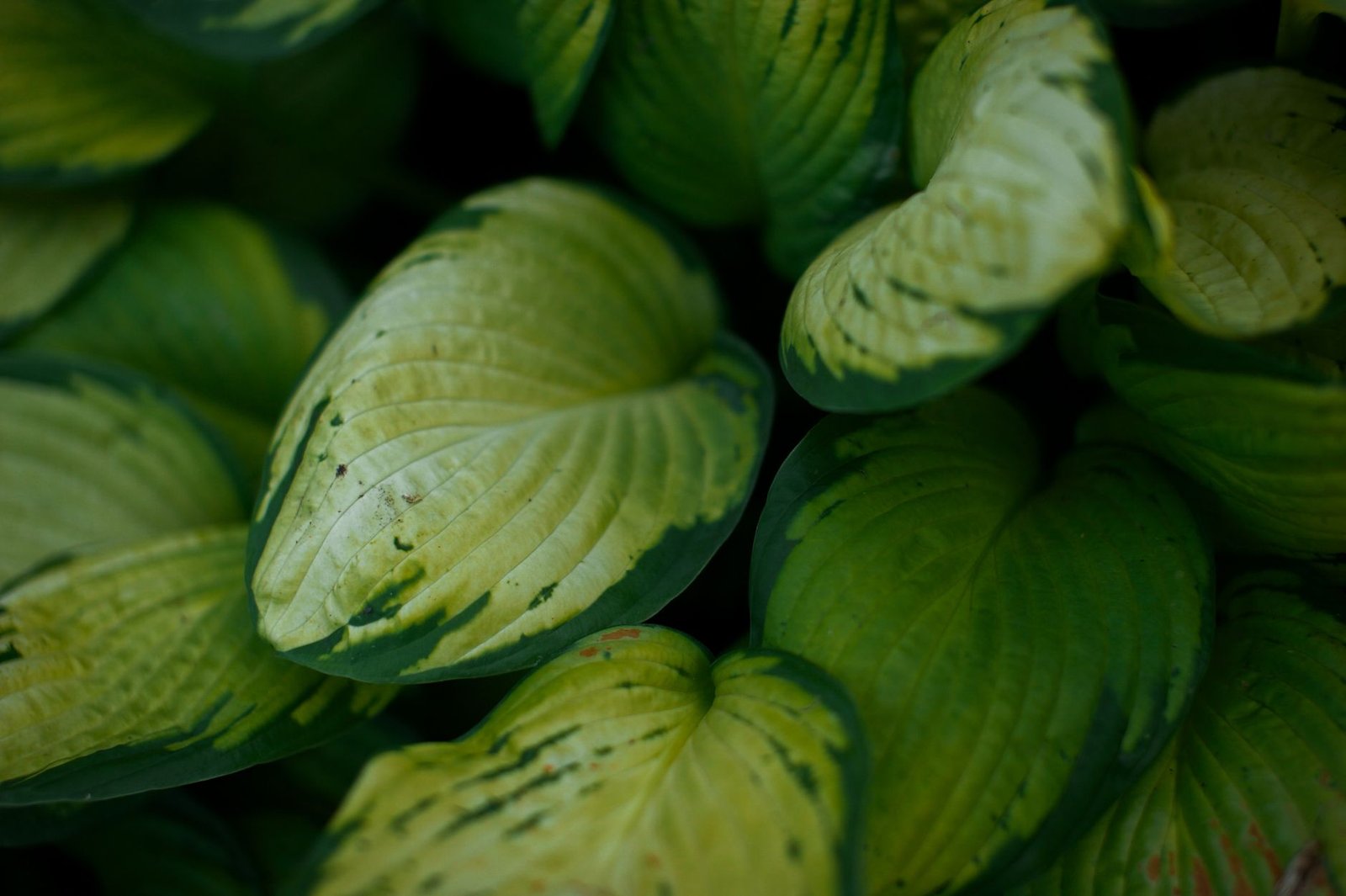
- Hostas (Hosta spp.): The undisputed champions of the shade garden, hostas offer an unparalleled diversity in leaf size, shape, texture, and color. Newer cultivars in 2026 boast enhanced disease resistance, including varieties more tolerant to crown rot and specific foliar nematodes, ensuring robust performance. Varieties like ‘Sum and Substance’ for large spaces or ‘Blue Mouse Ears’ for containers provide textural contrast.
- Heuchera (Coral Bells): Valued for their vibrant, often evergreen foliage, Heuchera cultivars come in an extraordinary palette of colors, from lime green to deep burgundy and patterned options. Modern breeding focuses on improved heat and humidity tolerance, making them even more resilient. Many varieties, such as ‘Palace Purple’ or ‘Obsidian’, also produce delicate flower spikes.
- Ferns (Various Species): Ferns bring a delicate, ancient beauty to shade gardens. Choices include the elegant Japanese Painted Fern (Athyrium niponicum ‘Pictum’) with its silver-burgundy fronds, the towering Ostrich Fern (Matteuccia struthiopteris) for a dramatic effect, and the robust Lady Fern (Athyrium filix-femina). Many native fern species require minimal care and provide excellent groundcover.
- Brunnera (Siberian Bugloss): Prized for its striking variegated heart-shaped leaves, Brunnera, particularly the ‘Jack Frost’ and ‘Silver Heart’ cultivars, offers brilliant silver patterns against green foliage. It also produces delicate sprays of blue, forget-me-not-like flowers in spring. These plants are exceptionally hardy and largely pest-free.
- Lamium (Dead Nettle): An excellent low-growing groundcover, Lamium offers variegated silver and green foliage with small, often pink or white flowers. Modern sterile varieties, such as ‘Anne Greenaway’, prevent self-seeding, ensuring controlled spread and beautiful coverage beneath larger shade plants.
Flowering Beauties for Shady Niches
- Astilbe (Astilbe spp.): Known for their feathery plumes of white, pink, red, or purple flowers, Astilbes add vertical interest and vibrant color to shady, moist locations. New cultivars in 2026 offer increased drought tolerance once established, making them more adaptable to varied garden conditions. Their fern-like foliage remains attractive throughout the season.
- Hellebore (Lenten Rose): Hellebores are invaluable for late winter and early spring blooms, providing color when little else is stirring. These incredibly tough perennials are deer-resistant, long-lived, and require minimal attention. Modern breeding has introduced an astonishing array of flower colors, forms, and patterns, from pure white to near-black, with single or double petals.
- Foamflower (Tiarella cordifolia): A delightful native perennial, Foamflower offers delicate, foamy white flower spikes in spring above attractive, often lobed or heart-shaped foliage. It forms a lovely groundcover and is particularly suited for woodland settings, requiring very little care once established.
- Impatiens (New Guinea & Downy Mildew Resistant): While traditional Impatiens (Impatiens walleriana) suffered from downy mildew, significant advancements in plant breeding mean that downy mildew-resistant Impatiens are widely available in 2026, allowing residents to reintroduce these vibrant, shade-loving annuals (often treated as perennials in warmer zones) into their garden designs. Alternatively, New Guinea Impatiens offer similar vibrant color and robust growth for partial shade.
Modern Care Strategies for Thriving Shade Gardens
Watering Innovations
Effective water management is critical for shade gardens. While shade plants generally require less water than sun-loving counterparts, consistent moisture is vital. In 2026, smart irrigation systems integrated with soil moisture sensors are becoming increasingly sophisticated, delivering precise amounts of water directly to the root zone, preventing overwatering or underwatering. Furthermore, mulching with advanced biodegradable materials not only conserves moisture but also slowly enriches the soil as it decomposes, suppressing weeds and regulating soil temperature.
Integrated Pest Management (IPM)
An IPM approach focuses on prevention, monitoring, and non-chemical interventions. Selecting disease-resistant cultivars, maintaining good air circulation, and practicing proper sanitation are fundamental. Biological controls, such as beneficial insects, and eco-friendly deterrents like neem oil, are preferred methods for managing potential pest issues. The homeowner’s vigilance in early detection minimizes the need for more intensive treatments.
Seasonal Maintenance in the Era of Efficiency
Low-maintenance shade perennials typically require minimal pruning. Deadheading spent flowers can prolong blooming for some species. In autumn, leaving fallen leaves to decompose naturally in garden beds acts as a superb natural mulch, enriching the soil and providing habitat for beneficial organisms. Dividing overcrowded clumps every few years rejuvenates plants and helps maintain vigor. For light weeding tasks, niche robotic garden assistants are emerging, offering supplementary automated care for select garden beds, further easing the homeowner’s workload.
Designing with Shady Perennials: 2026 Aesthetics
Designing a shade garden in 2026 emphasizes textural contrast, varied foliage colors, and layered planting to create visual depth and year-round interest. Combining broad-leaved hostas with the delicate fronds of ferns and the fine texture of Astilbe creates a dynamic tableau. Strategic placement of plants with contrasting leaf colors, such as chartreuse hostas against deep purple Heuchera, adds vibrancy. Integrating sustainable hardscaping elements, like permeable pavers or recycled stone, can enhance the garden’s functionality and aesthetic. Thoughtful low-voltage, energy-efficient LED lighting can illuminate pathways and highlight key plant features, extending the garden’s enjoyment into the evening hours.
Embracing low-maintenance perennials for shady spots allows the homeowner to cultivate a lush, beautiful, and sustainable garden with minimal effort. By selecting resilient plants, preparing the soil effectively with modern amendments, and implementing smart care strategies, a tranquil and vibrant shade garden can be enjoyed throughout 2026 and beyond, providing enduring beauty and ecological value.