
Raised Beds vs. In-Ground Gardens: Better for 2026 Vegetable Yields?
Determining whether raised garden beds or traditional in-ground gardens will yield better vegetable harvests in 2026 is not a one-size-fits-all answer; the optimal choice heavily depends on specific site conditions, climate, available resources, and the homeowner’s gardening approach. While raised beds offer significant advantages in controlled environments and soil customization, in-ground gardens can leverage established ecosystems and larger scales for robust production. This analysis explores the key factors influencing vegetable yields for both methods, considering modern advancements and horticultural best practices for the current year.
The Case for Raised Garden Beds in 2026
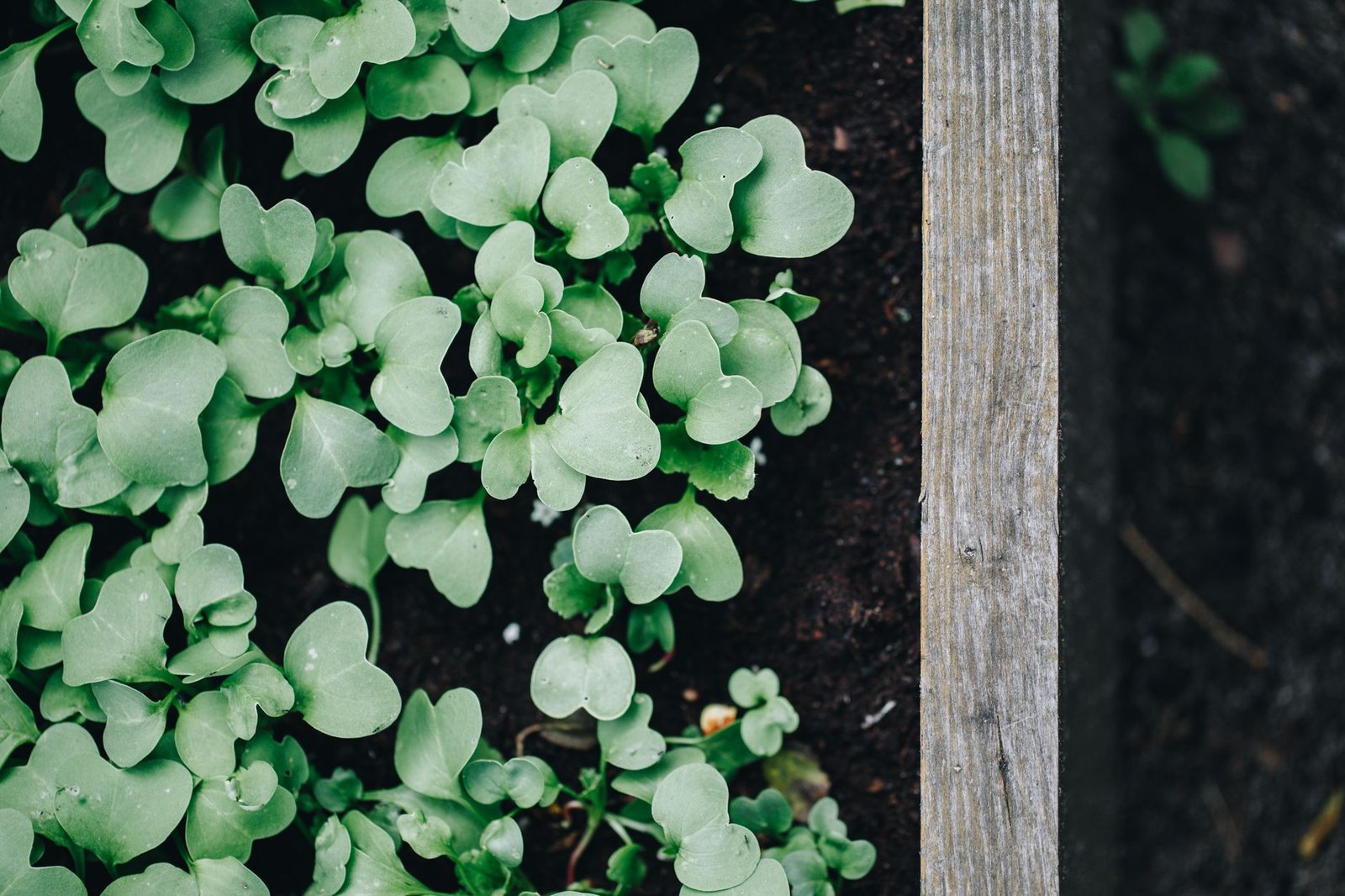
Raised garden beds continue to grow in popularity, particularly for their ability to create highly controlled growing environments. This method offers distinct benefits that can significantly influence vegetable yields.
Superior Soil Health and Customization
One of the primary advantages of raised beds is the ability to entirely dictate the soil composition. Homeowners can fill beds with a premium blend of compost, topsoil, and amendments tailored to specific crop needs, ensuring optimal nutrient availability and drainage from day one. This negates issues with existing poor or compacted native soil, a common challenge for in-ground gardeners. For 2026, advances in soil testing kits, often integrated with smart gardening apps, allow for precise nutrient management within these contained environments, leading to healthier plants and potentially higher yields.
Optimized Water Usage
Water conservation remains a critical consideration for 2026 horticulture. Raised beds generally offer more efficient water usage due to improved drainage and the smaller surface area exposed to direct sun compared to expansive in-ground plots. The concentrated root zones within the beds also make targeted irrigation highly effective. Modern raised beds are increasingly incorporating integrated sub-irrigation systems or wicking beds, which minimize evaporation and deliver water directly to root systems. Drip lines and soaker hoses, often automated via smart controllers, further enhance this efficiency, leading to less water waste and consistent moisture levels crucial for yield maximization.
Enhanced Pest and Weed Control
The elevated nature of raised beds provides a physical barrier against certain ground-dwelling pests like slugs and snails. Integrating copper tape or specialized pest netting around the bed perimeter is also more straightforward. Weed management is notably simpler; the imported soil mix typically contains fewer weed seeds, and any emerging weeds are easier to spot and remove due to the comfortable working height. This reduced competition for resources directly contributes to healthier plants and ultimately, higher vegetable yields.
Modern Material Developments for 2026
The construction of raised beds has evolved beyond traditional wood. For 2026, homeowners have access to durable, food-safe composite materials made from recycled plastics and wood fibers, offering longevity and resistance to rot without chemical treatments. Galvanized steel and corten steel options provide sleek aesthetics and exceptional durability. Some advanced systems now feature modular designs with built-in trellises, frost protection frames, and even integrated LED grow lights for season extension, significantly expanding the yield potential for the resident.
The Strengths of Traditional In-Ground Gardens in 2026
Despite the rise of raised beds, traditional in-ground gardening remains a highly effective method, offering unique advantages that can lead to impressive yields, especially when properly managed.
Deep Root Growth and Soil Ecosystems
In-ground gardens allow plant roots to penetrate deeper into the earth, accessing a broader range of nutrients and moisture, particularly beneficial during dry spells. This connection to the native soil fosters a more extensive and complex soil microbiome, which is vital for long-term soil health and plant vigor. Advanced soil science in 2026 emphasizes the importance of these established ecosystems, with techniques like no-till gardening and extensive cover cropping becoming mainstream to enhance microbial activity and organic matter content, naturally improving fertility and structure over time.
Cost-Effectiveness and Scalability
For larger gardening projects, in-ground beds typically present a lower initial investment compared to building and filling multiple raised beds. The resident is primarily working with existing soil, reducing material costs. Furthermore, in-ground gardens offer greater flexibility for expansion and crop rotation on a larger scale, allowing for diverse planting strategies and potentially greater overall yields from a larger cultivated area.
Natural Water Buffering
While raised beds can be water-efficient, large in-ground plots often benefit from the natural water-holding capacity of an expansive soil volume, particularly in regions with consistent rainfall. The earth itself acts as a massive reservoir, regulating soil moisture and reducing the frequency of irrigation, especially once plants are established. The use of deeply mulched beds also significantly reduces evaporation and conserves ground moisture.
Integrated Pest Management and Biodiversity
While in-ground gardens can face more varied pest challenges, they also inherently support a wider range of beneficial insects and soil organisms that contribute to natural pest control. Encouraging biodiversity through companion planting, hedgerows, and diverse landscaping elements creates a more resilient ecosystem that can naturally regulate pest populations. Techniques such as trap cropping and the strategic introduction of nematodes are becoming more refined in 2026, offering sustainable pest management solutions for larger plots.
Key Factors Influencing 2026 Vegetable Yields
Ultimately, maximizing vegetable yields in 2026 hinges on several universal factors, irrespective of the chosen garden type.
- Site-Specific Conditions: The existing soil quality, sun exposure, and natural drainage of the location are paramount. Raised beds can mitigate poor soil, while in-ground plots require careful assessment and amendment of existing conditions.
- Water Management: Consistent and appropriate watering is critical. Whether through automated drip systems in raised beds or thoughtful application in-ground, water stress significantly reduces yields. Smart irrigation technology has become highly accessible in 2026, offering precise control for both methods.
- Nutrient Availability: Regular soil testing and appropriate fertilization are non-negotiable. Whether enriching a raised bed mix or amending an in-ground plot, balanced nutrients directly impact plant health and productivity. Organic compost and targeted slow-release fertilizers are preferred.
- Pest and Disease Control: Proactive identification and management of pests and diseases are essential to prevent crop losses. Integrated pest management (IPM) strategies, including biological controls and targeted organic treatments, are crucial for both gardening styles.
- Crop Selection: Choosing plant varieties well-suited to the local climate and the specific garden type dramatically influences success. Selecting high-yielding, disease-resistant cultivars available in 2026 seeds catalogues can provide a significant advantage.
- Homeowner Commitment: Regular monitoring, weeding, pruning, and harvesting are necessary for optimal yields in any garden setup.
Conclusion: Making the Best Choice for Maximum Yields
In 2026, both raised beds and in-ground gardens offer viable pathways to abundant vegetable yields, with neither method definitively superior in all circumstances. Raised beds provide unparalleled control over soil conditions, excellent drainage, and ergonomic benefits, often leading to earlier harvests and easier management for residents with limited space or challenging native soil. In contrast, well-managed in-ground gardens can leverage established soil biology, offer greater scalability, and potentially lower initial costs for larger plots. The decision ultimately rests on the homeowner’s specific site, budget, physical capabilities, and desired level of gardening intensity. By focusing on fundamental horticultural principles—soil health, water management, pest control, and appropriate crop selection—the resident can achieve impressive vegetable yields with either method in 2026 and beyond.