
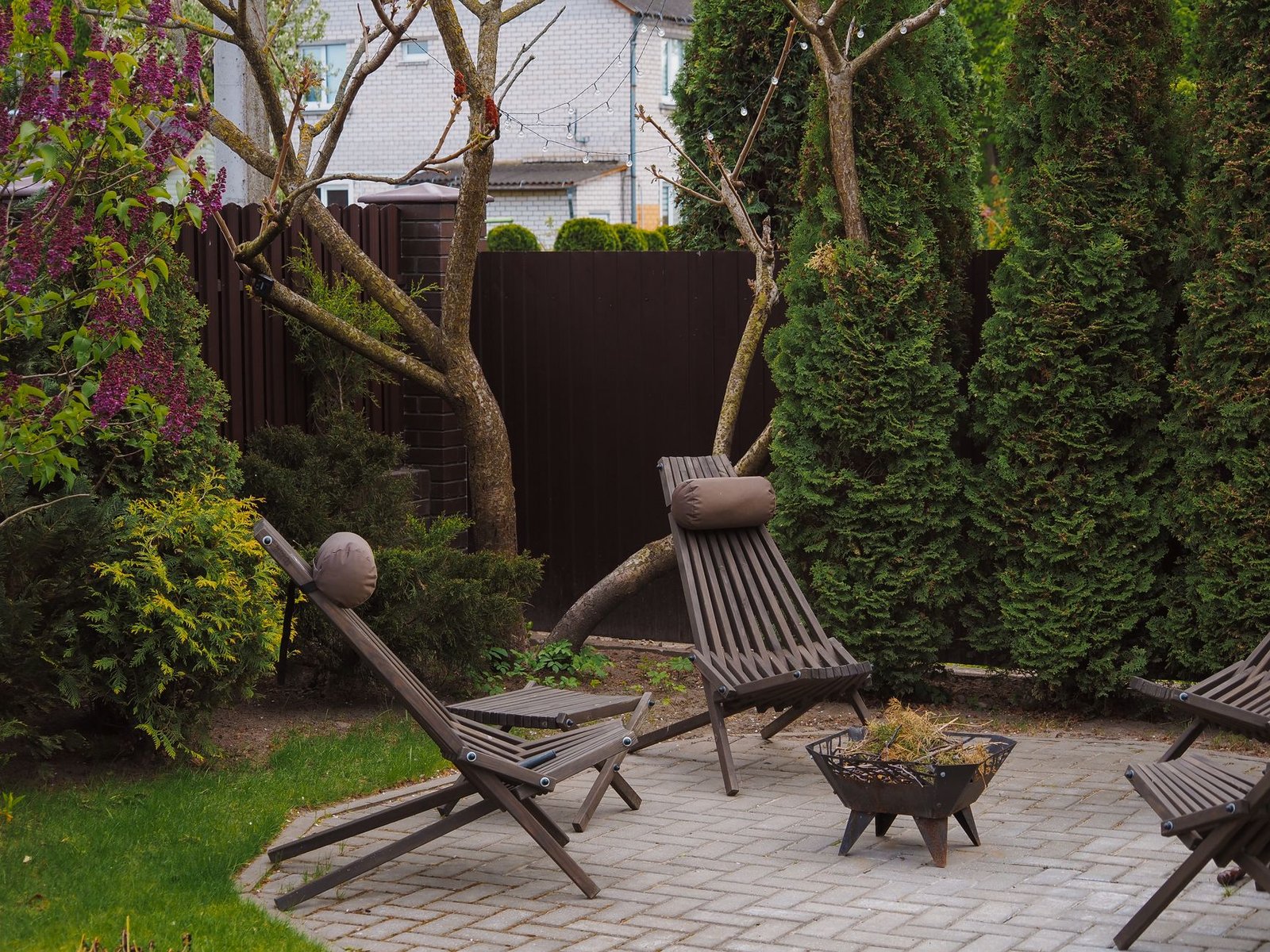
Is the outdoor living space feeling exposed to neighbors or passersby? For homeowners seeking enhanced seclusion, the good news is that achieving backyard privacy in 2026 extends far beyond the confines of traditional fencing. This article explores innovative and aesthetically pleasing solutions that integrate seamlessly with modern outdoor design, offering both functional screening and elevated style.
The Evolving Landscape of Outdoor Privacy in 2026
As outdoor living areas continue to gain prominence as extensions of the indoor environment, the demand for sophisticated privacy solutions has surged. The year 2026 sees a pronounced shift away from purely utilitarian barriers towards integrated, multi-functional design elements that contribute to the overall ambiance and value of a property. Homeowners are seeking ways to create intimate sanctuaries that are both visually appealing and environmentally conscious.
Beyond Traditional Fences: A 2026 Perspective
The contemporary approach to outdoor privacy emphasizes a blend of biophilic design principles, advanced material science, and smart home integration. Traditional fences, while effective, often present a singular, monolithic barrier that can feel imposing or limit natural light. Modern solutions for 2026 prioritize permeable designs, living elements, and artistic installations that not only obscure views but also enhance biodiversity, reduce noise, and add architectural interest. New composite materials, recycled polymers, and sustainable wood alternatives are also seeing widespread adoption, offering durability and reduced environmental impact.
7 Creative Screening Ideas for Enhanced Backyard Privacy in 2026
-
Living Walls and Vertical Gardens
Embracing the biophilic trend, living walls offer a dynamic and stunning privacy solution. These vertical gardens consist of panels with integrated planting pockets, supporting a diverse range of flora. For 2026, systems are increasingly modular and self-irrigating, often incorporating smart sensors to optimize water usage. Drought-resistant succulents, ferns, and various vining plants thrive in these environments, creating lush, green barriers that absorb sound and provide a cooling effect. Materials like recycled plastic composites and lightweight aluminum frames make installation versatile for almost any vertical surface, offering both visual screening and enhanced air quality.
-
Architectural Pergolas and Pavilions
More than just shade structures, modern pergolas and pavilions are designed with privacy in mind. Integrated screens, often crafted from laser-cut metal panels, slatted wood, or even retractable fabric systems, can be strategically added to one or more sides. Advanced pergolas in 2026 feature automated louvered roofs that adjust for sun and rain, and some even incorporate motorized side screens for instant privacy at the touch of a button. Materials like powder-coated aluminum, rot-resistant composite lumber, and sustainably sourced hardwoods ensure longevity and minimal maintenance, providing elegant structures that define outdoor zones while offering seclusion.
-
Strategic Plantings: Layered Green Screens
Harnessing the power of nature, strategic layering of plants creates effective and beautiful green screens. This approach involves selecting a variety of species that offer different heights, textures, and growth habits. Tall, fast-growing evergreens like certain arborvitae varieties or resilient bamboo alternatives (such as ‘Fargesia’ species) form the backdrop, while ornamental grasses, large shrubs, and flowering perennials create mid-ground and foreground layers. For 2026, emphasis is placed on native, low-maintenance, and water-wise plantings that thrive in the local climate, reducing the need for extensive irrigation and care. Thoughtful placement ensures year-round screening and a vibrant, living barrier.
-
Decorative Panels and Laser-Cut Screens
For a contemporary and artistic touch, decorative panels provide sophisticated privacy. These screens are available in a vast array of patterns, from geometric designs to intricate botanical motifs, and can be custom-fabricated to suit any aesthetic. Common materials include weather-resistant corten steel, aluminum, composite wood, and recycled polymers, all chosen for their durability and low maintenance in 2026. These panels can be freestanding, integrated into existing structures, or used as accents within a garden. They offer a strong visual statement while effectively breaking sightlines without completely blocking light or airflow, adding sculptural elegance to the outdoor space.
-
Water Features and Soundscaping
Sometimes, privacy is as much about sound as it is about sight. Integrating a well-designed water feature can effectively mask unwanted ambient noise from neighbors or traffic, creating an auditory barrier. The gentle trickling or flowing sound of water has a calming effect, transforming the outdoor space into a more peaceful retreat. For 2026, trends include self-contained, low-maintenance water walls and fountains that recycle water and operate quietly. Paired with strategic plantings or physical screens, soundscaping adds another dimension to the privacy strategy, enhancing overall domestic comfort.
-
Outdoor Curtains and Sail Shades
For flexible and elegant privacy, outdoor curtains and sail shades offer a versatile solution. Hung from pergolas, gazebos, or custom frames, outdoor curtains made from weather-resistant, solution-dyed acrylic fabrics (like those from Sunbrella) provide soft, flowing barriers that can be opened or closed as needed. Sail shades, often triangular or rectangular, can be tensioned creatively to block specific views or provide overhead privacy, casting interesting shadows. The modern versions for 2026 offer enhanced UV resistance, durability against the elements, and often come in a wider range of sophisticated colors and patterns, allowing for adjustable seclusion and a resort-like ambiance.
-
Raised Planters and Built-in Seating with Integrated Screens
Combining functionality with privacy, tall raised planters or built-in seating arrangements can incorporate screening elements directly. Large planters filled with dense shrubs or small trees can create an immediate, elevated privacy hedge. Similarly, outdoor benches or lounge areas can feature integrated back panels or side screens that extend upwards, providing both comfortable seating and seclusion. Materials for 2026 often include durable concrete, composite lumber, or marine-grade plywood with weather-resistant finishes, ensuring that these multi-functional elements stand the test of time while offering smart, space-saving privacy solutions.
Implementing 2026 Privacy Solutions: Considerations for the Homeowner
Sustainability and Smart Integration
When selecting privacy enhancements in 2026, homeowners are increasingly prioritizing sustainable materials and practices. Options that use recycled content, require minimal water, or are locally sourced contribute to a lower environmental footprint. Furthermore, integrating smart technology, such as automated irrigation for living walls or remote-controlled retractable screens, enhances convenience and efficiency, ensuring the outdoor space operates harmoniously with the property’s overall smart home ecosystem.
Design Harmony and Local Regulations
It is crucial for the resident to consider how new privacy elements will integrate with the existing architectural style and landscape design. The chosen solutions should complement the home’s aesthetic, creating a cohesive and visually pleasing outdoor environment. Before commencing any major installation, a careful review of local zoning laws and homeowner association guidelines is highly recommended. These regulations may dictate height restrictions, material choices, or specific placement rules for screens and structures, ensuring compliance and avoiding potential issues.
Conclusion
Creating a private and serene backyard oasis in 2026 is an achievable goal for any homeowner, with an abundance of creative options extending far beyond traditional fences. By exploring innovative solutions such as living walls, architectural pergolas, strategic plantings, and decorative screens, individuals can transform their outdoor spaces into personalized retreats. These modern approaches not only enhance seclusion but also add significant aesthetic value and contribute to a more enjoyable and functional outdoor living experience, truly elevating the concept of domestic comfort.