
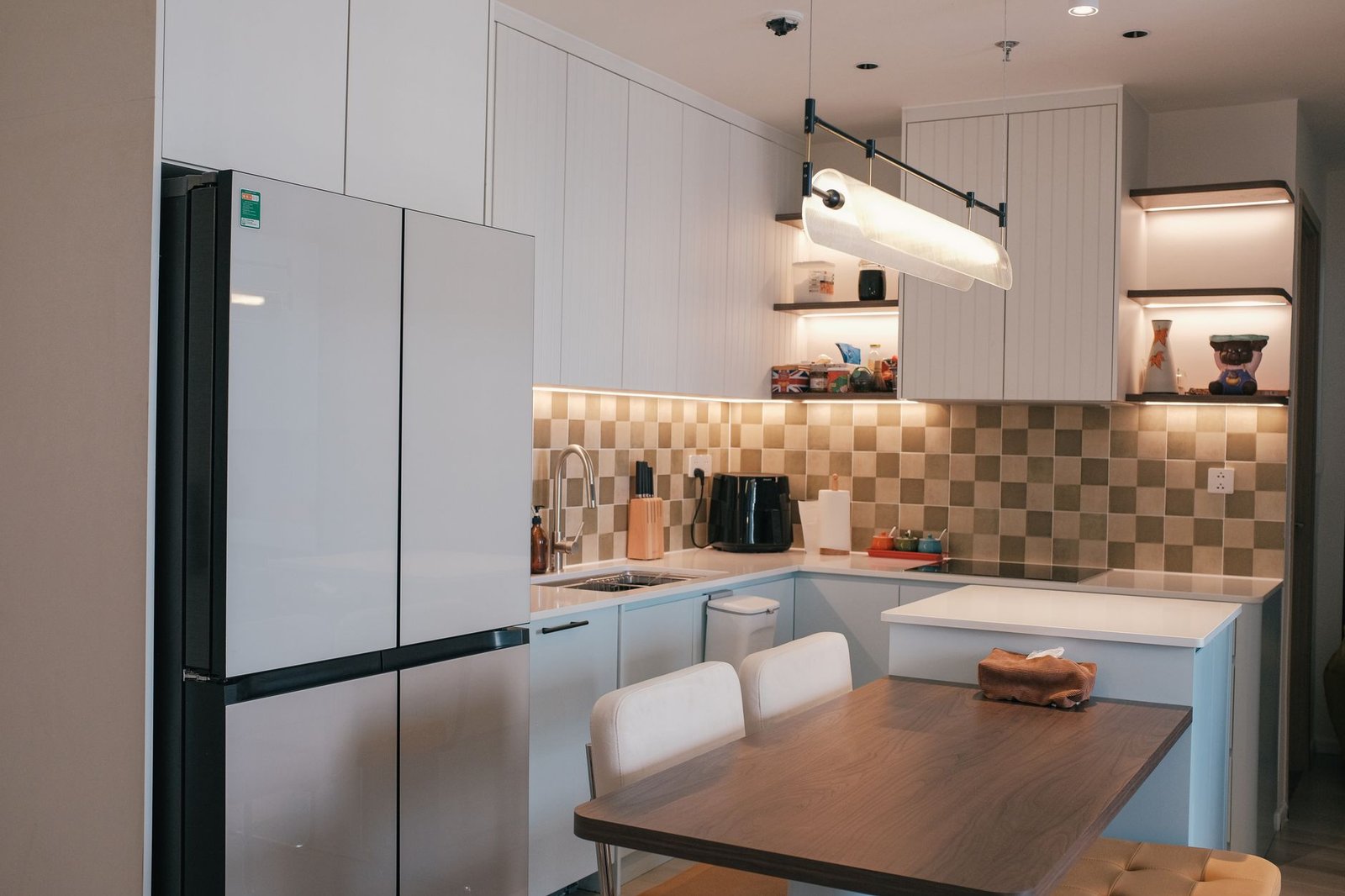
The domestic landscape continuously evolves, with the kitchen remaining at its heart. In 2026, this central hub transcends its traditional role, transforming into a sophisticated ecosystem of intelligent appliances meticulously engineered for resource optimization. The convergence of advanced culinary hardware and robust connectivity ushers in an era where energy and water consumption are not merely tracked but actively managed and optimized, delivering unparalleled efficiency and fostering sustainable living.
This paradigm shift is driven by the imperative to minimize environmental impact while enhancing convenience and reducing operational costs for the homeowner. By seamlessly integrating various kitchen components, an intelligent appliance ecosystem empowers proactive resource management, making significant strides toward a greener, more economical domestic environment.
The Dawn of Connected Culinary Hardware
Connectivity is the cornerstone of the intelligent kitchen. Modern culinary appliances, from advanced induction cooktops to sophisticated dishwashers and smart ovens, are no longer isolated units. Instead, they form a cohesive network, communicating through standardized protocols like Matter and Thread, ensuring interoperability across diverse manufacturers. This interconnectedness allows for a centralized approach to resource utilization, where data from one appliance can inform the operation of another, creating a truly synchronized environment.
The evolution beyond basic remote control capabilities means that these appliances possess an inherent understanding of their operational context. They can sense, interpret, and react to real-time variables, making autonomous decisions that prioritize efficiency and performance.
Real-time Monitoring and Adaptive Scheduling
Intelligent appliances provide granular visibility into resource consumption. A smart dishwasher, for instance, can utilize advanced optical and soil sensors to determine the exact dirt level of dishes, automatically selecting the most efficient wash cycle. This eliminates guesswork, preventing the wasteful use of excess water or energy on lightly soiled loads. Similarly, smart ovens can monitor ambient kitchen temperature and humidity, adjusting preheating times and cooking durations to minimize energy expenditure.
Adaptive scheduling capabilities allow these devices to interact with smart energy grids. Appliances can be programmed to operate during off-peak hours when electricity is cheaper and often sourced from cleaner energy mixes. For example, a refrigerator might initiate a defrost cycle during a period of lower energy demand, or a washing machine could delay its cycle until grid load is reduced. This dynamic adjustment is a significant leap from simple timers, offering true optimization based on real-time grid conditions and resident preferences.
Predictive Maintenance and Proactive Savings
Beyond immediate operational efficiency, the connected culinary ecosystem excels in predictive maintenance. Embedded AI algorithms analyze usage patterns and performance metrics, identifying potential inefficiencies or component wear before a failure occurs. An oven element drawing unusual current or a dishwasher pump exhibiting erratic behavior can trigger an alert, prompting timely servicing.
This proactive approach prevents energy waste associated with malfunctioning or inefficient appliances and extends the lifespan of the hardware. The resident benefits from reduced repair costs and consistent appliance performance, all while contributing to a circular economy by delaying replacements and minimizing electronic waste. Regular software updates also ensure that appliances continuously improve their efficiency algorithms, adapting to new research and optimal usage patterns.
2026 Trends: Advanced Materials and AI Integration
The year 2026 brings forward significant advancements in both the physical and digital components of smart culinary hardware. These innovations are pivotal in driving further resource consumption optimization.
Next-Gen Sensor Technology and Haptic Feedback
The precision of sensors continues to improve dramatically. Future ovens incorporate multi-point temperature probes that map the internal heat distribution, ensuring even cooking with minimal energy fluctuations. Induction cooktops feature sophisticated pan-detection technology that precisely matches the energy output to the cookware, eliminating standby energy waste. Smart faucets use ultrasonic sensors to detect hand presence and regulate water flow and temperature with extreme accuracy, preventing unnecessary water wastage.
Haptic feedback interfaces are becoming standard, offering intuitive control without the need for constant visual engagement. This not only enhances user experience but can also lead to more precise inputs, reducing errors and subsequent resource re-runs, such as over- or under-cooked dishes requiring additional energy.
Sustainable Material Innovations
Material science plays a crucial role in the eco-efficiency narrative. Appliance manufacturers are increasingly integrating recycled content plastics into casings and non-contact components, reducing reliance on virgin materials. Bio-based polymers derived from renewable resources are gaining traction, further lessening the carbon footprint. Advanced insulation techniques, such as vacuum insulated panels (VIPs) and aerogels, are becoming standard in refrigerators and ovens, drastically reducing thermal leakage and the energy required to maintain target temperatures.
Furthermore, self-cleaning and scratch-resistant surfaces reduce the need for harsh chemical cleaners and extend the aesthetic and functional lifespan of appliances, aligning with principles of durability and reduced consumption.
Orchestrating the Eco-Efficient Kitchen
The true power of an intelligent appliance ecosystem lies in its ability to harmonize various functions for maximum resource savings.
Water-Wise Culinary Systems
Water conservation is a critical focus. Smart dishwashers, as mentioned, adapt cycles to soil levels. Beyond this, some advanced models are beginning to incorporate closed-loop water recycling systems for pre-rinse cycles, filtering and reusing water for subsequent loads. Smart faucets with flow restrictors and motion sensors provide water only when needed, at precisely the right temperature, preventing cold water run-off while waiting for desired warmth.
Integrated water purification systems monitor water quality and filter life, notifying the resident when maintenance is due, ensuring optimal performance and preventing the premature disposal of filters. Some systems even redirect filtered gray water from sinks for non-potable uses, such as watering indoor plants or flushing toilets, within a holistic smart home framework.
Energy Optimization in Cooking
Cooking appliances lead the charge in energy efficiency. Modern induction cooktops offer hyper-localized heating, directing energy precisely where it’s needed with minimal heat loss. Zone management features allow for heating only the area covered by cookware, and precise temperature controls prevent overheating or boil-overs that waste energy. Smart ovens integrate with recipe platforms, automatically adjusting cooking parameters for optimal results with minimal energy. Features like rapid preheating and multi-stage cooking programs ensure that energy is consumed only for the necessary duration and at the most efficient temperatures.
Refrigerators now utilize advanced inverter compressors and sophisticated thermal sensors to maintain stable temperatures with minimal energy fluctuation. Predictive defrost cycles, based on usage patterns and door openings, ensure defrosting occurs only when necessary, avoiding unnecessary energy expenditure.
The Future of Domestic Resource Management
The progression of intelligent appliance ecosystems points towards a broader, more integrated future for domestic resource management.
Interoperability and Standard Protocols
The industry’s commitment to open standards, notably the Matter protocol, is paramount. This ensures that appliances from different brands can communicate seamlessly, fostering a truly unified and expandable smart home. A single dashboard or voice assistant can manage the entire culinary ecosystem, providing holistic insights into resource consumption and allowing for macro-level optimization strategies across the entire home.
This ease of integration removes barriers for homeowners, encouraging wider adoption of smart solutions and accelerating the path towards truly sustainable domestic environments. The focus on robust security protocols within these ecosystems also ensures data privacy and protection from external threats.
Holistic Home Integration
The kitchen ecosystem is increasingly becoming an integral part of a larger smart home framework. Data from kitchen appliances can inform other systems, such as the HVAC, lighting, and even landscape irrigation. For instance, a smart oven’s heat output might signal the thermostat to slightly reduce heating in the adjacent room. This comprehensive integration creates a dynamic, responsive home that continuously optimizes all facets of resource consumption, moving beyond siloed appliance management to a genuinely intelligent dwelling.
Residents gain access to personalized consumption reports, predictive cost analyses, and actionable recommendations, empowering them with the knowledge to make informed decisions about their resource usage. This level of transparency and control represents the pinnacle of domestic comfort and ecological responsibility.
The intelligent appliance ecosystem represents a profound evolution in how domestic spaces interact with critical resources. By 2026, the connected culinary hardware is not just about convenience; it is about establishing new benchmarks for energy and water utilization, driven by real-time data, AI-powered insights, and sustainable material innovations. For the homeowner, this translates into tangible savings, reduced environmental impact, and a seamlessly efficient lifestyle. The kitchen of the future is here, ready to optimize every drop and every watt.