Decoding Intelligent Residential Lighting Ecosystems
The contemporary residence is transforming into an intuitively responsive environment, with intelligent lighting ecosystems at the forefront of this evolution. These advanced systems transcend mere illumination, offering sophisticated control over hue, dimming, and scheduling. By leveraging cutting-edge technology, homeowners can cultivate atmospheres that enhance well-being, optimize energy usage, and seamlessly integrate with the broader smart home infrastructure. The year 2026 marks a pivotal moment for these systems, driven by advancements in wireless communication, AI-powered automation, and increasingly refined user experience paradigms.
Wireless Protocol Configurations for Seamless Integration
The foundation of any robust intelligent lighting system lies in its chosen wireless communication protocols. These digital languages enable devices to communicate effectively, ensuring reliability and responsiveness across the entire ecosystem.
Zigbee and Z-Wave Dominance
Historically, Zigbee and Z-Wave have been the stalwarts of smart home device communication, including lighting. Both offer low-power mesh networking capabilities, allowing devices to extend the signal range by relaying messages through one another. This creates a highly resilient and scalable network, ideal for covering large residential spaces without relying solely on a central hub’s direct range. Their low energy consumption is particularly beneficial for battery-powered sensors and switches, ensuring long operational lifetimes.
Wi-Fi and Bluetooth LE Advancements
While often associated with higher power consumption, Wi-Fi connectivity for individual lighting fixtures has seen significant optimization. Direct Wi-Fi integration simplifies setup by eliminating the need for a separate hub, leveraging the resident’s existing home network. However, a proliferation of Wi-Fi devices can sometimes strain network bandwidth. Bluetooth Low Energy (BLE) continues to evolve, offering robust point-to-point and mesh capabilities for smaller, localized lighting groups or specific accessory controls. BLE’s ultra-low power profile makes it excellent for portable or battery-dependent lighting elements.
Matter Protocol: The Unifying Force (2026 Trend)
A significant industry trend in 2026 is the growing adoption and maturity of the Matter protocol. Designed as an open-source, royalty-free connectivity standard, Matter aims to create greater interoperability among smart home devices, regardless of manufacturer. For intelligent lighting, this means fixtures, switches, and sensors from different brands can communicate effortlessly, eliminating compatibility headaches. Matter leverages existing IP-based technologies like Wi-Fi, Thread (a mesh networking protocol similar to Zigbee but built on IP), and Ethernet, promising a more cohesive and future-proof smart home environment. The rollout of Matter-certified devices is rapidly expanding, offering homeowners unprecedented choice and flexibility.
Circadian Rhythm Lighting: Enhancing Well-being
Beyond simple on/off functionality, intelligent lighting ecosystems are increasingly focused on supporting human health and well-being through circadian rhythm-aligned illumination.
Automated Hue and Dimming Scheduling
Circadian rhythm lighting systems automatically adjust the color temperature and intensity of light throughout the day, mirroring the natural light cycle. In the morning, lights transition to brighter, cooler tones (e.g., 5000K-6500K) to promote alertness and energy. As the day progresses, they gradually shift to warmer, softer hues (e.g., 2700K-3000K) and dimming levels, preparing the resident for rest. This sophisticated scheduling is often configurable via intuitive smartphone applications or centralized control interfaces, allowing for personalized adjustments based on individual routines and preferences.
Health and Productivity Benefits
The benefits of aligning artificial light with natural circadian rhythms are substantial. Exposure to appropriate light at the right time can improve sleep quality, enhance mood, boost cognitive performance, and reduce eye strain. For residents working from home, dynamic lighting can maintain focus during work hours and then gently transition to relaxing settings for evening activities, contributing to overall domestic comfort and productivity.
Dynamic Tunable White Technology
Modern lighting fixtures utilize Dynamic Tunable White (DTW) technology to achieve these precise adjustments. DTW luminaires incorporate multiple LED channels (typically warm white and cool white) that can be individually controlled to produce a vast spectrum of color temperatures. More advanced systems, often termed ‘Human-Centric Lighting’ (HCL), can also incorporate full-spectrum color mixing (RGBW) to offer an even wider range of dynamic lighting effects that go beyond simple white light adjustments, catering to specific moods or tasks.
Centralized Control Hardware Integration
Effective management of an intelligent lighting ecosystem requires a robust and intuitive control mechanism. Centralized hardware acts as the brain, coordinating all connected devices.
Smart Hubs and Gateways
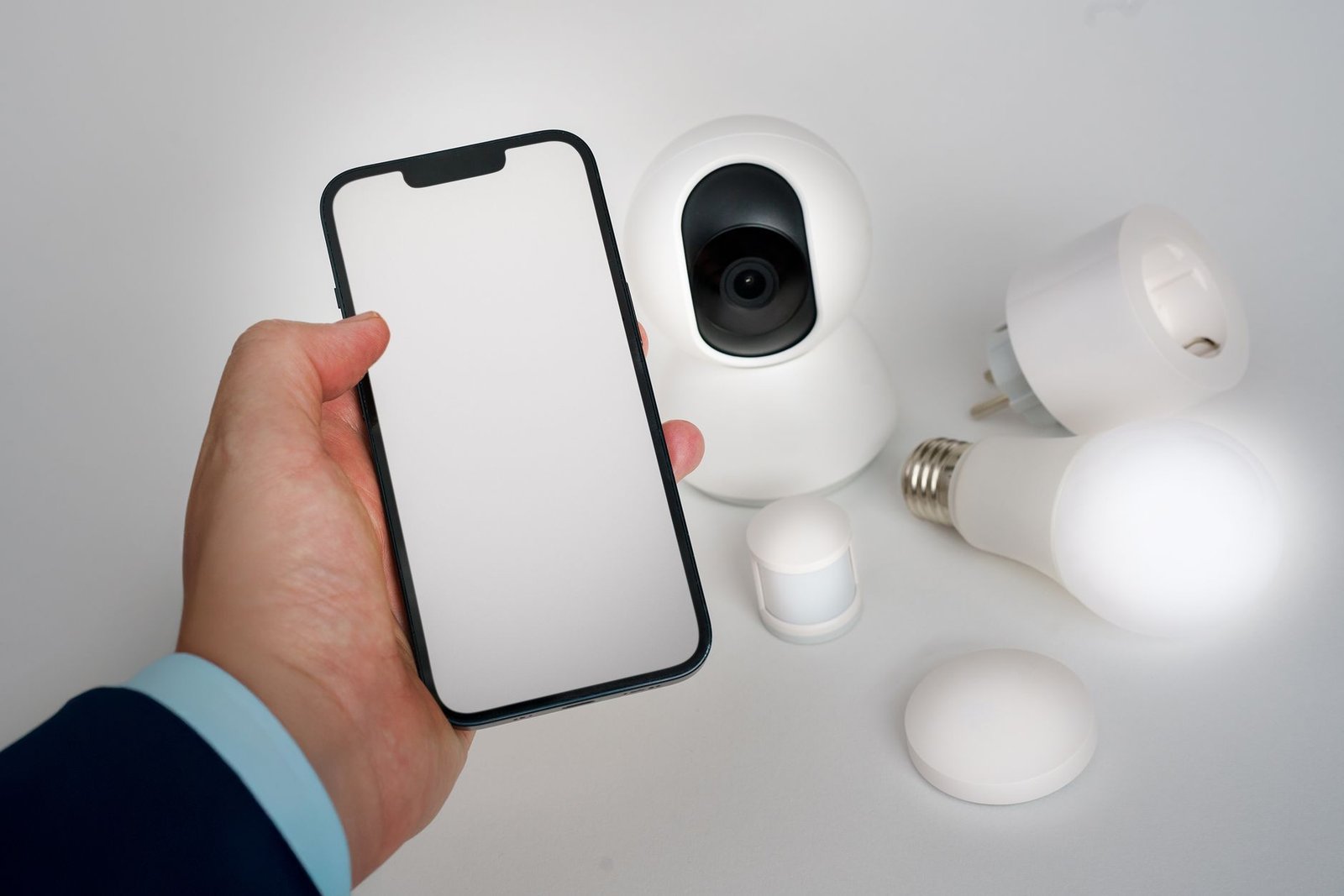
Dedicated smart hubs or gateways serve as the nexus for most intelligent lighting systems. These devices translate signals between different protocols (e.g., Zigbee to Wi-Fi) and provide a single point of control for all connected lighting fixtures. Many modern hubs also integrate with other smart home categories, such as security, climate control, and entertainment, creating a truly unified smart home experience. Their processing power enables complex automation routines and local control, ensuring functionality even if internet connectivity is temporarily lost.
Voice Assistants and Touch Panels
Interaction with intelligent lighting is increasingly seamless through voice assistants like Amazon Alexa, Google Assistant, and Apple HomeKit. Residents can simply issue commands to adjust brightness, change colors, or activate pre-set scenes. For more tactile control, dedicated touch panels embedded in walls or portable tablet-style interfaces offer visual representations of the lighting layout, allowing for granular control of individual fixtures or entire zones with a tap. These interfaces often provide quick access to personalized scenes, such as ‘Dinner Party’ or ‘Movie Night’.
Edge Computing in Lighting Systems (2026 Trend)
A significant trend for 2026 is the integration of edge computing capabilities directly into intelligent lighting hardware. This means that more processing and decision-making occur at the device level (e.g., within the light fixture or smart switch) rather than relying solely on a central cloud server. Edge computing enhances responsiveness, reduces latency, improves data privacy, and bolsters system reliability. For example, a smart sensor can locally process occupancy data and instruct nearby lights to turn on or off without sending data to a remote server, leading to almost instantaneous reactions and more efficient energy management.
Modern Material Developments and 2026 Trends
The physical components of intelligent lighting systems are also evolving, driven by material science and aesthetic considerations.
Miniaturization and Aesthetics
Advancements in LED technology continue to drive miniaturization, allowing for more discreet and aesthetically integrated lighting solutions. Ultra-thin, flexible LED strips and panels are becoming commonplace, enabling lighting to be seamlessly integrated into architectural features, furniture, and even textiles. The trend favors minimalist designs that blend into the environment, offering light without drawing attention to the source itself. Materials like advanced polymers and composite metals offer improved heat dissipation and durability, extending product lifespans while maintaining sleek profiles.
Energy Efficiency and Sustainability
The imperative for energy efficiency remains a core driver. Beyond LED inherent efficiency, 2026 sees an increased focus on systems that dynamically harvest energy or utilize advanced power management ICs (Integrated Circuits) to minimize standby power consumption. Sustainable material sourcing and manufacturing processes for lighting fixtures are also gaining prominence, aligning with broader ecological goals.
Predictive Maintenance and AI Integration
The integration of Artificial Intelligence (AI) extends to predictive maintenance for lighting ecosystems. AI algorithms can analyze usage patterns, monitor fixture performance, and even detect early signs of component degradation, alerting the homeowner to potential issues before a failure occurs. This proactive approach minimizes downtime and prolongs the overall life of the system, further enhancing the reliability and value of the intelligent lighting investment.
Conclusion
Intelligent residential lighting ecosystems in 2026 are far more than just light sources; they are dynamic, responsive systems designed to harmonize with human needs and environmental demands. With the unifying power of Matter, the health benefits of circadian lighting, sophisticated centralized controls, and evolving material science, these systems offer a compelling vision of the future of domestic comfort and efficiency. Homeowners embracing these innovations are not just installing lights; they are investing in an optimized living experience that adapts, learns, and enhances every moment within the residence.