
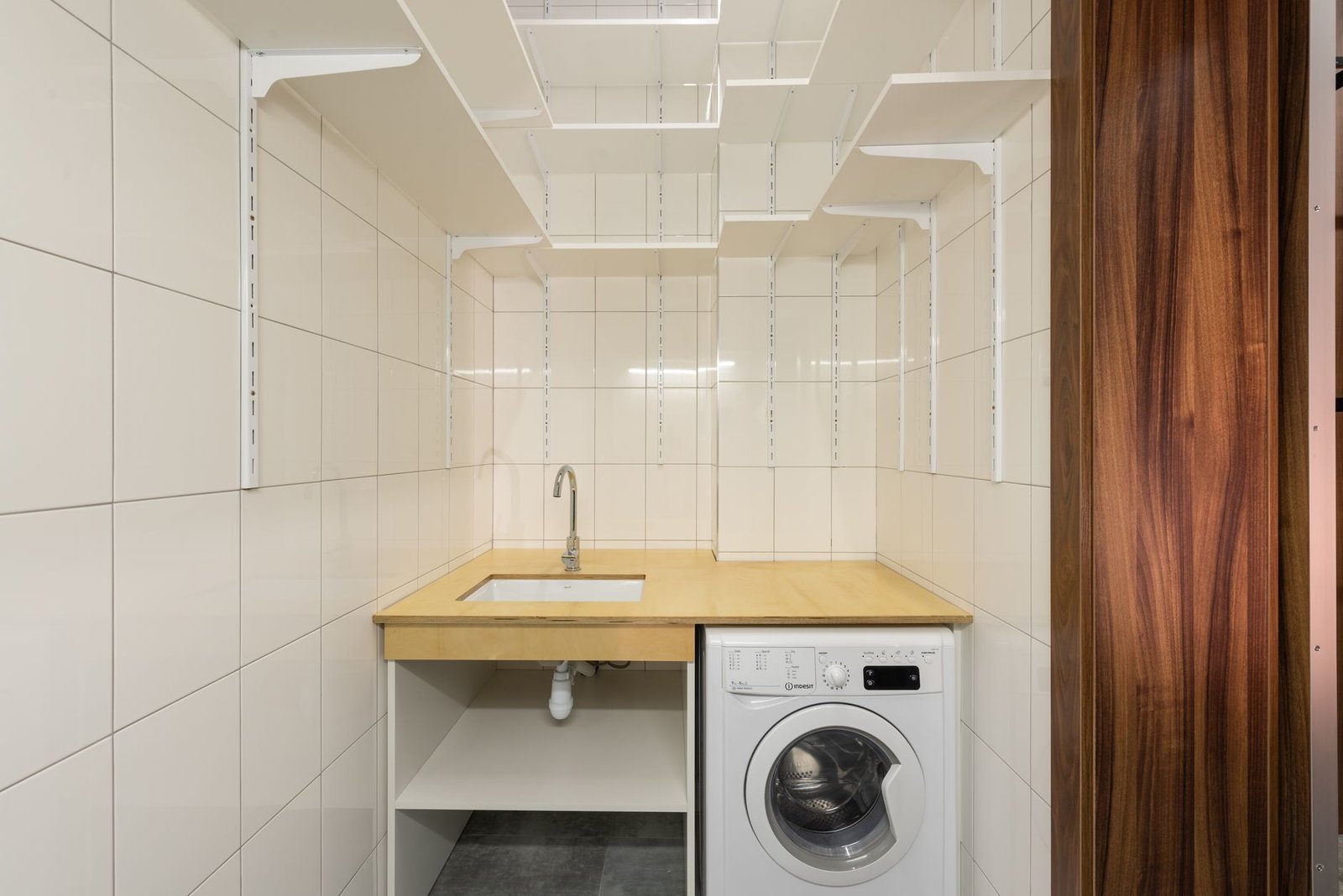
The modern laundry space transcends its traditional utilitarian role, evolving into a sophisticated hub of home organization and efficiency. As of 2026, homeowners are increasingly prioritizing ergonomic design and intelligent layouts to transform mundane chores into streamlined processes. Optimizing laundry infrastructure is not merely about aesthetics; it is about creating a workflow that enhances comfort, reduces physical strain, and maximizes productivity within the domestic environment. This evolution is driven by advancements in smart technology, sustainable materials, and a deeper understanding of human-centered design principles.
Ergonomic Foundations: Sorting and Appliance Integration
Streamlining the Sorting Process
An efficient laundry journey begins long before items enter the washer. Ergonomic sorting systems are crucial for minimizing bending and repetitive motions. Multi-compartment hampers, often integrated into custom cabinetry, allow for pre-sorting by color, fabric type, or washing cycle. Modern solutions in 2026 include smart hampers equipped with RFID or weight sensors that can communicate with washing machines, suggesting optimal loads and cycles based on the contents. Materials like antimicrobial coated fabrics and recycled plastics are prevalent for durable and hygienic sorting bins, reflecting a commitment to both health and environmental responsibility.
- Multi-tier Bins: Vertical sorting solutions reduce floor footprint and minimize back strain for the user.
- Designated Zones: Clearly labeled sections for delicates, whites, and colors prevent mix-ups and streamline the pre-wash phase.
- Integrated Cabinetry: Pull-out or tilt-out hampers concealed within bespoke joinery maintain a clean aesthetic while providing immediate, convenient sorting access.
Optimized Appliance Placement for Seamless Workflow
The strategic positioning of washing and drying appliances is fundamental to an ergonomic layout. Front-loading machines, elevated on pedestals, bring the drum to a more comfortable height, eliminating excessive bending for loading and unloading. In 2026, smart appliances with advanced connectivity and AI-driven cycle optimization are standard, capable of learning user preferences and energy consumption patterns. Consider layouts that place the washer and dryer side-by-side for a continuous countertop or stacked to conserve floor space, always with ample clearance for doors and maintenance access.
Industry trends lean towards voice-activated controls and touch-screen interfaces embedded with user profiles, allowing personalized settings without manual adjustments. Materials like fingerprint-resistant stainless steel and self-cleaning finishes are common, reflecting a demand for low-maintenance solutions that seamlessly integrate into the modern home aesthetic.
Dynamic Drying & Folding Zones: Maximizing Utility
Integrated Drying Rack Innovations
Air-drying remains an eco-conscious choice, and 2026 laundry rooms feature innovative, space-saving drying rack installations that blend functionality with design. The goal is to make air-drying seamless and discreet, not an obstacle to the room’s flow. Integrated options include:
- Retractable Wall-Mounted Racks: These fold flat against a wall when not in use, often featuring sleek, minimalist designs in powder-coated aluminum or bamboo. They are ideal for quick access and minimal visual intrusion.
- Ceiling-Mounted Pulley Systems: Perfect for larger items or areas with high ceilings, these can be lowered for convenient loading and then raised out of the way, utilizing warm air near the ceiling for faster and more efficient drying.
- Heated Drying Cabinets: For garments requiring delicate care or rapid drying, specialized cabinets with controlled heat and ventilation are gaining popularity. These often feature smart sensors to prevent over-drying and protect fabric integrity.
- Custom Pull-Out Solutions: Seamlessly integrated into cabinetry, these extend like drawers or shelves, offering discreet drying space. Modern iterations often use moisture-resistant composites or engineered hardwoods for longevity and aesthetic appeal.
Materials science is contributing with new lightweight, corrosion-resistant alloys and sustainable wood composites for these fixtures, ensuring durability, longevity, and elegant integration into the overall design.
Strategic Folding Platform Locations
A dedicated, well-designed folding area significantly enhances laundry efficiency and reduces the need to transport clean clothes. The ideal folding platform is a sturdy, ample surface positioned at a comfortable counter height (typically 36-38 inches) to minimize stooping or reaching. Consider these optimal options:
- Above Appliances: A continuous countertop spanning across front-loading washer and dryer units creates an immediate, convenient, and visually cohesive folding zone. Materials like quartz, solid surface, or high-pressure laminate offer durability, stain resistance, and ease of cleaning.
- Pull-Out or Drop-Down Platforms: For smaller spaces, a retractable folding surface can be ingeniously integrated into cabinetry or a wall, disappearing when not needed. These often feature soft-close mechanisms and robust hardware for smooth operation.
- Central Island or Peninsula: In larger laundry rooms, a multi-functional island can serve as a primary folding station, complete with integrated storage underneath, perhaps even an ironing board pull-out, and charging stations for smart devices.
The trend for 2026 emphasizes surfaces with antimicrobial properties and resistance to stains and heat, reflecting a demand for hygienic and low-maintenance solutions that endure the rigors of frequent use.
Secure & Streamlined Chemical Product Storage
Designing Safe Enclosures
Proper storage of laundry detergents, softeners, and cleaning agents is paramount for safety and organization within the home. Enclosures must be child-proof and pet-safe, preventing accidental ingestion or exposure to hazardous substances. This involves:
- Locking Cabinets: Upper cabinets with sturdy latches or key locks are essential for hazardous chemicals, ensuring they remain out of reach of children and pets.
- High Shelving: Positioning items on high shelves, far from curious hands, is a simple yet highly effective safety measure.
- Ventilated Storage: Cabinets storing strong-smelling or volatile chemicals should ideally incorporate passive or active ventilation to prevent fume buildup. Modern materials include sealed, chemical-resistant laminates or powder-coated steel that prevent absorption and corrosion.
Accessible Yet Discreet Placement
While safety is the primary concern, accessibility for the user during laundry tasks is also important. Detergents and other frequently used products should be readily available but discreetly hidden when not in use to maintain a clutter-free and aesthetically pleasing environment. Consider:
- Deep Pull-Out Drawers: Located beneath the folding counter or adjacent to appliances, these can efficiently house bottles and containers, keeping them upright and organized with internal dividers or adjustable trays.
- Cabinet Door Racks: Slim racks mounted on the inside of cabinet doors provide convenient, out-of-sight storage for smaller items like stain removers or dryer sheets.
- Integrated Dispenser Systems: A growing 2026 trend involves bulk detergent and softener dispensers built directly into the wall or cabinetry. These systems are refilled from a larger, securely stored container, offering both convenience and a significant reduction in single-use plastic waste.
Materials utilized in these storage solutions increasingly feature recycled plastics, sustainably sourced wood, and non-toxic finishes, aligning with broader ecological consciousness. Smart storage systems with biometric locks or app-controlled access are also emerging, providing advanced security and convenience for the modern homeowner.
Conclusion: The Smart Laundry Ecosystem
Transforming the laundry area into an ergonomic and efficient ecosystem is a significant investment in domestic comfort and productivity. By thoughtfully implementing optimized sorting strategies, integrating dynamic drying and folding zones, and ensuring secure chemical storage, the resident can achieve a seamless workflow that reduces physical burden and mental clutter. The trends and material innovations of 2026 underscore a commitment to sustainability, smart technology, and user-centric design, making the once-dreaded chore a more pleasant and manageable aspect of home life. An expertly designed laundry space truly elevates the functionality and value of any modern home.