
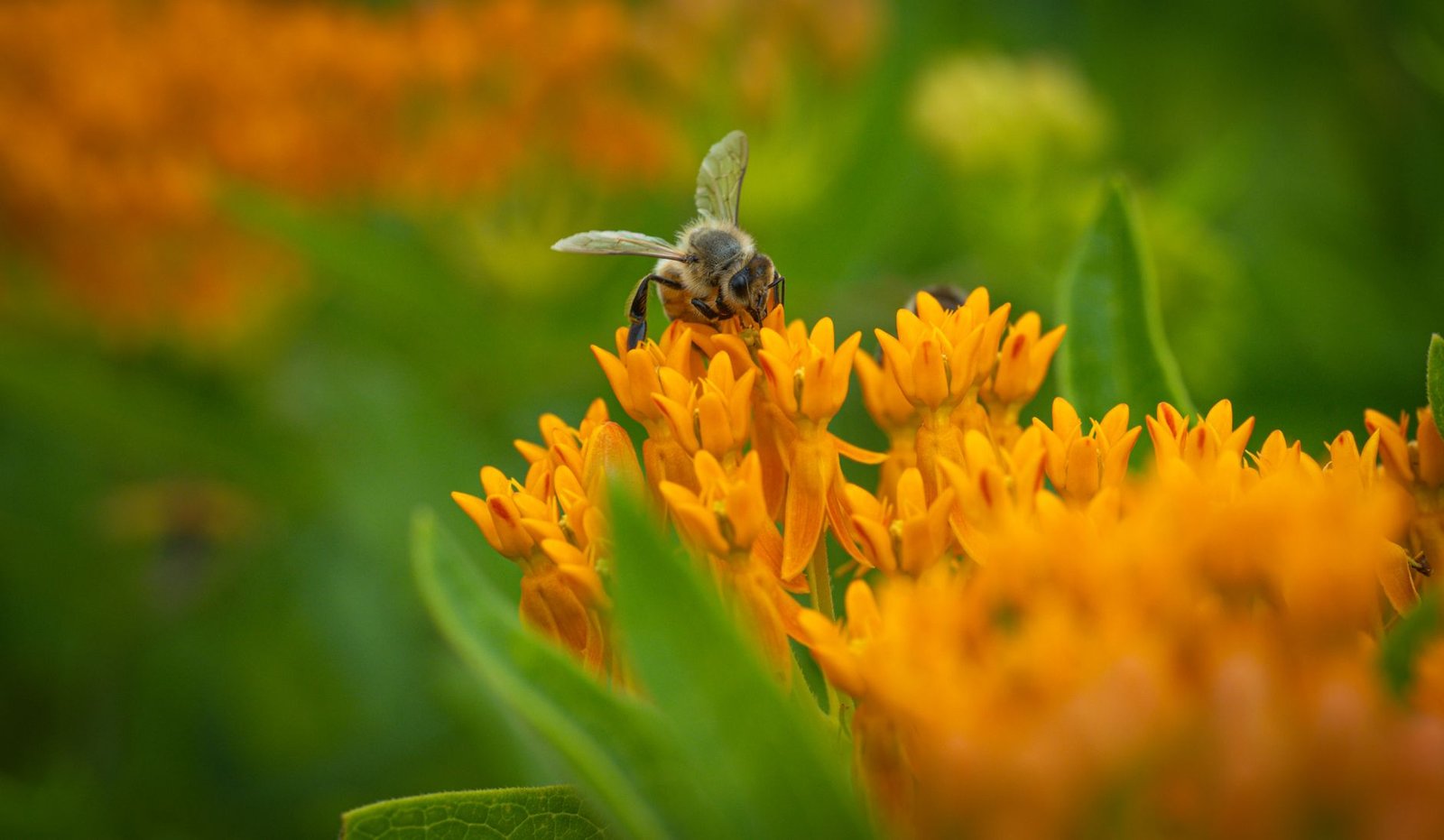
Creating a vibrant, buzzing garden filled with bees and fluttering butterflies is an achievable goal for any homeowner in 2026. Attracting these essential pollinators involves selecting the right plant species that offer abundant nectar and pollen, establishing a welcoming habitat, and adopting sustainable garden practices. This article details seven highly effective plants and provides comprehensive tips for cultivating a thriving pollinator haven, contributing to vital ecological health and enhancing domestic comfort.
The Imperative for Pollinator Gardens in 2026
In an era increasingly focused on ecological resilience and sustainable living, the importance of pollinator gardens cannot be overstated. Bees, butterflies, and other beneficial insects are critical for maintaining biodiversity and supporting food production. The year 2026 sees continued emphasis on integrating natural ecosystems into urban and suburban landscapes, driven by advancements in smart gardening technologies and a deeper understanding of localized bioregions. Homeowners are increasingly seeking ways to contribute positively to their immediate environment, making pollinator-friendly landscaping a central pillar of modern garden design. Industry trends highlight the use of native species, drought-tolerant varieties, and the integration of smart irrigation systems that optimize water usage while ensuring plant health, crucial for supporting diverse insect populations.
Top 7 Pollinator-Attracting Plants for a Thriving 2026 Garden
Selecting the right flora is fundamental to successfully attracting and sustaining pollinator populations. The following plants are renowned for their nectar and pollen production, catering to a wide range of beneficial insects throughout the growing season.
1. Lavender (Lavandula angustifolia)
This aromatic herb is a perennial favorite for both its calming scent and its magnetic appeal to bees and butterflies. Lavender thrives in full sun and well-drained soil, making it a robust choice for various climates. Its small, tubular flowers are perfectly shaped for many bee species, and its extended bloom period ensures a consistent food source. Consider integrating smart soil sensors in 2026 to optimize its specific watering needs, preventing overwatering while ensuring adequate moisture during dry spells.
2. Coneflower (Echinacea purpurea)
Echinacea, with its distinctive daisy-like flowers and prominent central cone, is a powerhouse for attracting bees, butterflies, and even beneficial birds. Native to North America, it is remarkably drought-tolerant once established and prefers full sun. Its sturdy stems and long-lasting blooms provide continuous sustenance from mid-summer into fall. The varied cultivars available in 2026 offer an expansive palette of colors, allowing for diverse aesthetic integration into any garden design.
3. Milkweed (Asclepias spp.)
Crucial for the survival of Monarch butterflies, milkweed serves as the sole host plant for their larvae. Beyond Monarchs, its unique flower clusters are rich in nectar, attracting a multitude of other butterfly species and bees. Species like Common Milkweed (Asclepias syriaca) and Butterfly Milkweed (Asclepias tuberosa) are excellent choices. Residents are encouraged to select varieties native to their specific region for optimal success and ecological benefit, aligning with 2026’s emphasis on bioregional landscaping.
4. Salvia (Salvia spp.)
Salvias encompass a vast genus, offering an incredible diversity of bloom times, colors, and sizes. Many varieties, such as Salvia ‘May Night’ or Salvia leucantha, are absolute magnets for hummingbirds, bees, and butterflies. They are generally low-maintenance, drought-tolerant, and prefer full sun. With ongoing horticultural developments, newer Salvia hybrids in 2026 boast extended bloom periods and enhanced resistance to pests, making them increasingly reliable choices for a pollinator garden.
5. Bee Balm (Monarda didyma)
True to its name, Bee Balm is an irresistible draw for bees, butterflies, and hummingbirds. Its distinctive, shaggy flower heads create a striking visual presence in the garden. Monarda prefers moist, well-drained soil and full to partial sun. Regular deadheading can extend its flowering season, providing a continuous supply of nectar. In 2026, many improved cultivars offer better mildew resistance, ensuring healthier foliage throughout the season.
6. Zinnia (Zinnia elegans)
For vibrant color and effortless charm, zinnias are unparalleled annuals for attracting a wide array of pollinators. Their flat, open flower heads provide easy access to nectar and pollen for various bee and butterfly species. Zinnias thrive in full sun and heat, blooming prolifically from early summer until the first frost. Opt for single-flowered varieties rather than highly double forms, as these offer more accessible pollen and nectar for insects. The availability of biodegradable seed tapes and smart sowing kits in 2026 simplifies their establishment for the busy resident.
7. Sedum (Sedum spectabile / Hylotelephium spectabile)
Often referred to as Stonecrop, sedum varieties offer late-season sustenance when other flowers are fading. Their dense, flat-topped flower clusters are a favorite late-summer and autumn treat for butterflies, especially migrating Monarchs, and various bee species. Sedums are incredibly hardy, drought-tolerant, and prefer full sun. Their robust nature and minimal care requirements make them an excellent addition to any 2026 pollinator garden seeking sustained ecological impact.
Designing a Resilient Pollinator Haven
Beyond plant selection, creating an optimal environment for pollinators involves thoughtful design and material choices. The goal is to provide continuous resources, shelter, and water while ensuring long-term sustainability.
Strategic Planting and Layering
To support a diverse range of pollinators, gardeners should implement strategic planting, ensuring a succession of blooms from early spring to late autumn. Grouping similar plants together creates larger color blocks, making them more visible and appealing to foraging insects. Varying flower shapes and sizes caters to different pollinator mouthparts. Incorporating vertical layers with taller plants in the back and shorter ones in the front provides varied microclimates and shelter.
Water Sources and Shelter
Pollinators require fresh water. Shallow bird baths with stones or marbles for landing spots, or purpose-built butterfly puddling stations, provide safe hydration. For shelter, leaving undisturbed areas with leaf litter, brush piles, or creating