
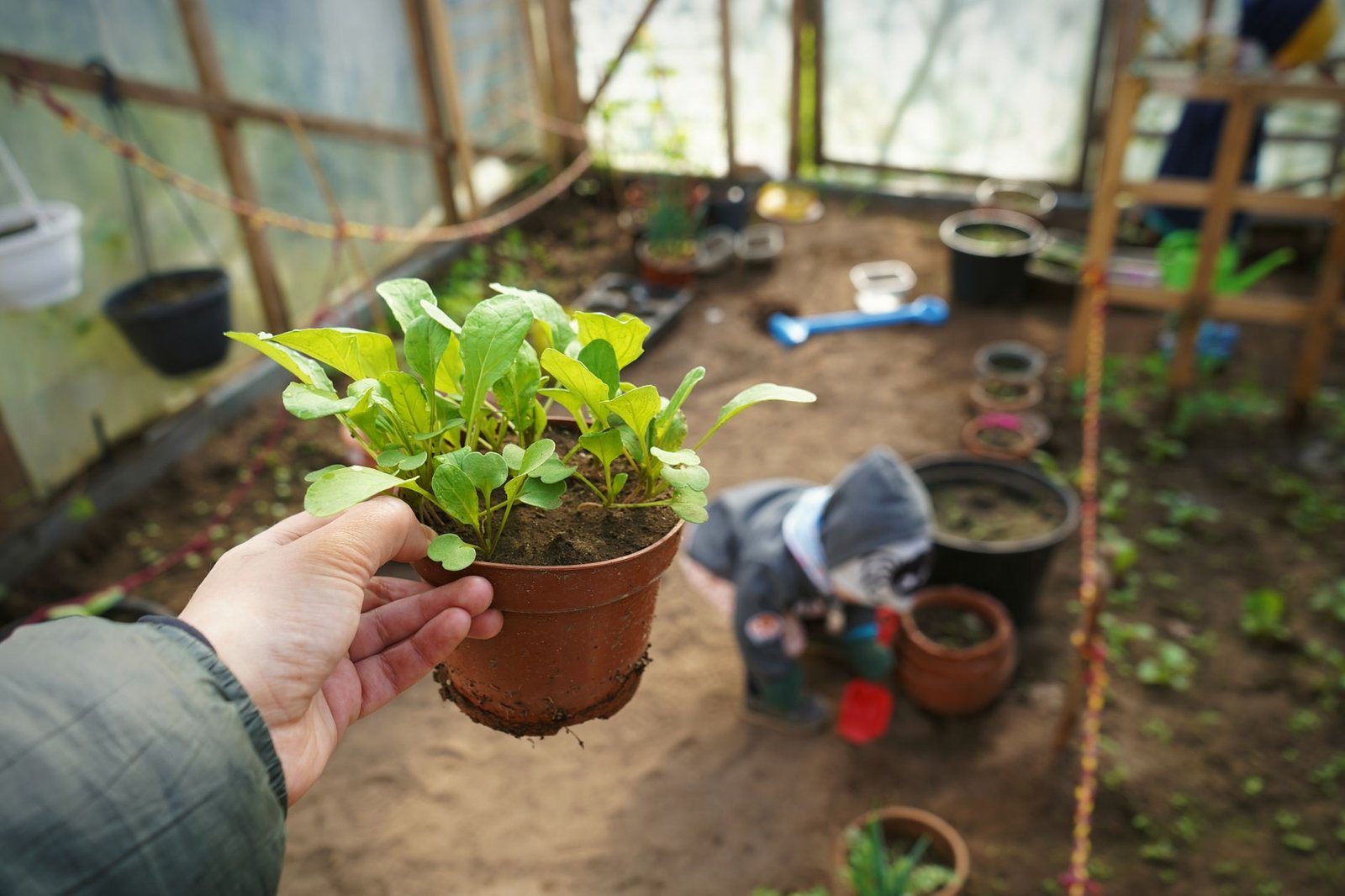
Container gardening offers an exceptionally accessible entry point for cultivating fresh produce, even in limited spaces such as balconies, patios, or small urban yards. For the 2026 season, selecting resilient and productive edible plants is crucial for beginner container gardeners seeking a successful harvest. This comprehensive guide highlights five such plants, providing straightforward care instructions and harvesting tips designed to empower individuals embarking on their horticultural journey.
The Ascent of Container Gardening in 2026
The 2026 landscape for domestic horticulture continues to be shaped by innovation and convenience, with container gardening seeing a significant surge in popularity. This growth is driven by compact living trends, a heightened desire for fresh, locally sourced food, and advancements in gardening technology. Modern material science now offers lightweight, durable, and aesthetically pleasing container options, moving beyond traditional terracotta to include advanced bioplastics made from renewable resources, recycled composites, and fabric grow bags that promote superior root aeration.
Substrate innovations are also enhancing beginner success. Advanced coco coir blends, aerated grow bags, and specialized potting mixes that include slow-release nutrients are becoming standard, offering optimal drainage and moisture retention. The integration of smart sensors, increasingly affordable and user-friendly, provides real-time data on soil moisture, nutrient levels, and even light exposure, reducing the guesswork for new gardeners and ensuring plants receive optimal care without constant vigilance.
Top 5 Easy Edible Plants for Containers
1. Cherry Tomatoes
Cherry tomatoes are an ideal choice for beginner container gardeners due to their prolific nature and the availability of numerous dwarf and bush varieties specifically bred for compact spaces. These plants are relatively tolerant of minor care inconsistencies, making them forgiving for those new to gardening.
- Care Instructions: Cherry tomatoes thrive in at least 6-8 hours of direct sunlight daily. They require a well-draining, rich potting mix and consistent watering, especially once fruits begin to form. Utilizing a smart moisture sensor can assist in maintaining optimal hydration levels. Staking or caging is highly beneficial for supporting the plant as it grows and produces fruit. For 2026, consider compact determinate varieties known for their container adaptability.
- Harvesting Tips: Individual fruit should be picked when fully colored and slightly soft to the touch. Regular harvesting encourages the plant to produce more fruit, extending the yield throughout the season.
2. Bush Beans
Bush beans are an excellent option for containers because they are quick growers, self-pollinating, and generally less demanding than their pole bean counterparts. They offer a good yield in a relatively short period.
- Care Instructions: Bush beans require full sun exposure and well-draining soil. Consistent moisture is important for optimal pod development, but waterlogging should be avoided. Unlike pole beans, bush varieties typically do not require extensive support, though a small stake can prevent heavy branches from breaking. In 2026, exploring disease-resistant cultivars can further enhance success. Breathable fabric grow bags are particularly beneficial for bush beans, promoting healthy root development.
- Harvesting Tips: Pods should be picked when young and tender, before the seeds fully swell inside. Regular picking every few days stimulates continuous production, ensuring a steady supply of fresh beans.
3. Lettuce and Leafy Greens (Spinach, Arugula)
Lettuce, spinach, and arugula are fast-growing leafy greens that are highly adaptable to container life. Their ‘cut-and-come-again’ harvesting method provides a continuous supply of fresh produce, and many varieties tolerate partial shade, making them suitable for less sunny spots.
- Care Instructions: These greens prefer partial sun to light shade, typically 4-6 hours of sunlight. Consistent moisture is crucial to prevent bitterness and bolting, but proper drainage is essential to avoid root rot. A rich, loose potting mix is ideal. For maximizing space, vertical gardening systems and stackable planters are increasingly popular in 2026. User-friendly hydroponic kits designed specifically for leafy greens also offer an advanced, low-maintenance alternative for indoor cultivation.
- Harvesting Tips: The outer leaves can be harvested as needed, allowing the plant to continue growing from the center. Alternatively, the entire head can be cut at the base, depending on the gardener’s preference.
4. Radishes
Radishes are remarkably fast from seed to harvest, often ready in under a month, and require minimal space, making them perfect for impatient beginners and small containers.
- Care Instructions: Radishes need full sun exposure and loose, well-draining soil to develop properly. Consistent moisture is vital to prevent them from becoming woody or excessively bitter, and to deter premature bolting. For 2026, succession planting every 1-2 weeks is a simple technique to ensure a continuous supply throughout the season. Biodegradable seed tapes offer a convenient solution for achieving correct spacing, which is critical for good root development.
- Harvesting Tips: Roots should be pulled when they reach the desired size, as indicated on the seed packet. Delaying harvest can result in tough, overly spicy, or hollow radishes.
5. Culinary Herbs (Basil, Mint, Rosemary)
A variety of culinary herbs thrive in containers, offering instant flavor to home-cooked meals with relatively low maintenance requirements.
- Care Instructions: While care varies slightly by herb, most prefer full sun and well-draining soil. Mint generally prefers more consistent moisture, while rosemary thrives in drier conditions. Basil, being more tender, appreciates warmth and protection from cold drafts. In 2026, modular herb garden systems are popular, and integrated smart lighting solutions can facilitate year-round indoor cultivation. Self-watering inserts in containers are particularly beneficial for herbs, ensuring consistent moisture without constant oversight.
- Harvesting Tips: Leaves should be pinched off as needed for culinary use. Regular pruning encourages bushier growth and can help prevent flowering, which can alter the flavor of certain herbs like basil.
Modern Container Gardening Practices for 2026
The year 2026 introduces several modern practices that streamline the container gardening experience for beginners.
- Sustainable Material Choices: The shift towards environmentally conscious products means containers made from recycled plastics, advanced biodegradable polymers, and natural fiber composites are increasingly prevalent. These options often boast enhanced longevity and aesthetic appeal.
- Advanced Water Management Systems: Self-watering planters, equipped with wicking systems or integrated reservoirs, are becoming standard. For larger container setups, smart irrigation controllers, often linked to home automation systems, allow for precise, automated watering based on real-time environmental data and plant needs.
- Optimized Nutrient Delivery: The market offers an array of slow-release organic fertilizers and advanced liquid nutrient solutions specifically formulated for container-grown plants. Emerging bio-stimulants are also gaining traction, enhancing plant resilience against stressors and improving nutrient uptake.
- Integrated Pest Management (IPM): For beginners, IPM emphasizes preventative measures such as selecting pest-resistant plant varieties, ensuring proper plant spacing for air circulation, and utilizing beneficial insects or gentle, organic sprays as a first line of defense. Early detection via visual inspection is key.
- High-Performance Substrates: The use of high-quality, lightweight potting mixes that ensure excellent aeration and drainage is paramount. These modern mixes often incorporate coco coir, perlite, vermiculite, and carefully balanced composted materials, creating an ideal environment for root health.
Harvesting and Enjoying the Yield
The culmination of a container gardening effort is the harvest. Understanding the optimal timing for picking each plant is crucial for maximizing flavor and encouraging continued production. Promptly harvesting ripe produce ensures the highest quality and often signals the plant to produce more. Once harvested, simple storage techniques, such as refrigeration or blanching for freezing, can extend the freshness of the yield. The immediate integration of fresh, homegrown ingredients into home cooking offers unparalleled culinary satisfaction and a direct connection to the food source, enriching the domestic comfort of any resident.
Conclusion
Embarking on a container gardening journey in 2026 is more accessible and rewarding than ever before, thanks to continuous advancements in plant breeding, container technology, and cultivation practices. By selecting these five easy-to-grow edible plants and adopting modern gardening techniques, any individual can cultivate a vibrant and productive container garden. The satisfaction derived from nurturing plants from seed to harvest and enjoying fresh, homegrown produce is a profound experience, inviting more residents to discover the simple joys of urban cultivation.