
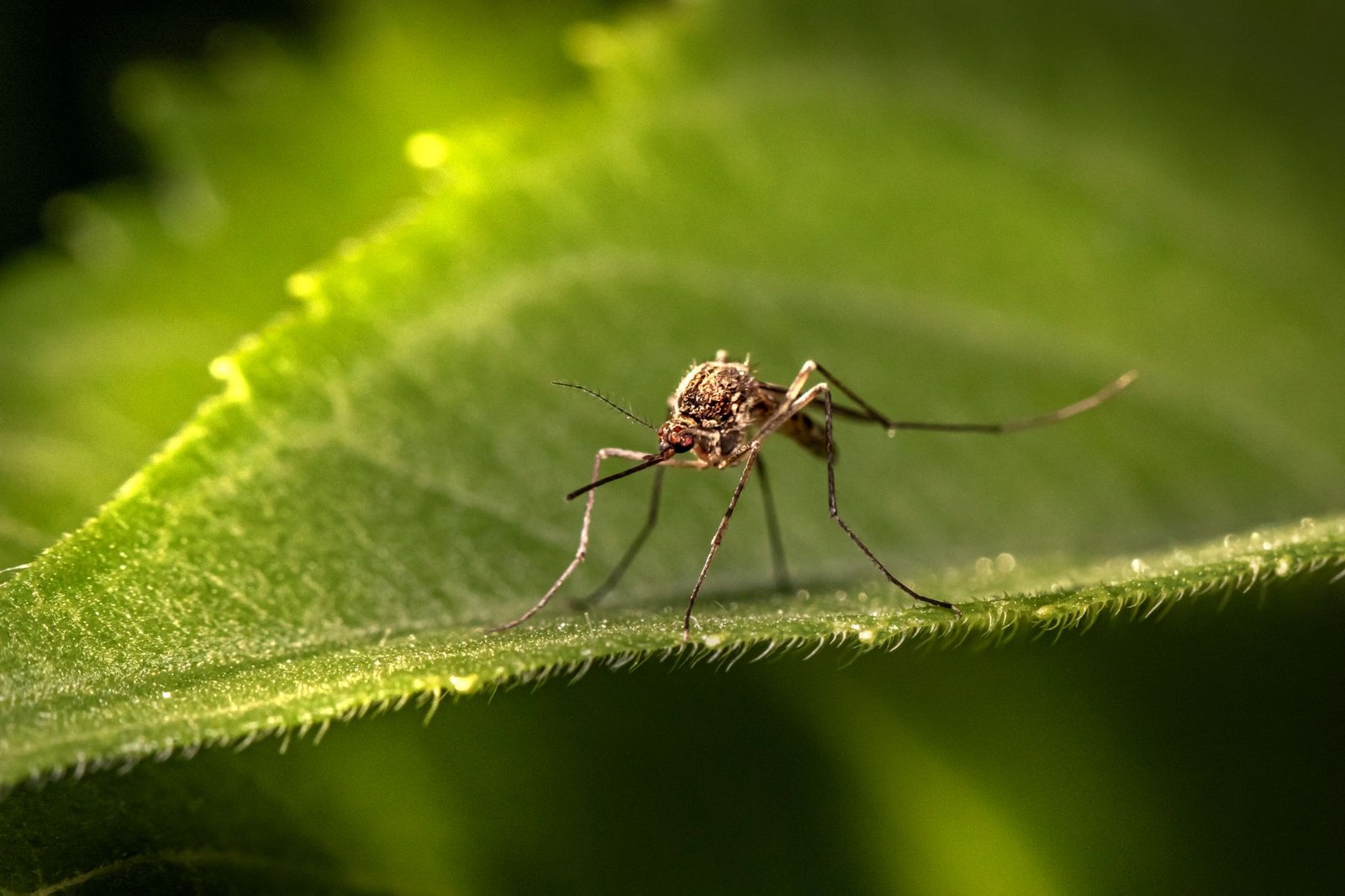
Mosquitoes can indeed disrupt otherwise perfect outdoor dining experiences in 2026, transforming pleasant evenings into a frustrating battle against biting pests. However, homeowners can effectively combat this nuisance with natural, sustainable methods designed to deter mosquitoes without resorting to harsh chemicals. This article explores five proven, environmentally friendly strategies to ensure comfortable and enjoyable backyard gatherings throughout the year.
Understanding the 2026 Mosquito Challenge
The desire for expanded outdoor living spaces continues to be a dominant trend in 2026, with homeowners investing in sophisticated patios, pergolas, and outdoor kitchens. Concurrently, evolving climate patterns mean longer, more intense mosquito seasons in many regions, making effective pest management a critical aspect of domestic comfort and landscape architecture. The emphasis for modern homeowners is increasingly on solutions that are not only effective but also align with principles of sustainability, eco-consciousness, and guest safety, particularly when entertaining where food and drink are present.
5 Natural Control Methods for 2026 Backyard Entertaining
1. Strategic Landscaping and Plant Power
Integrating specific plants known for their mosquito-repelling properties into landscape design offers a beautiful and functional defense. Modern landscape architects in 2026 are increasingly incorporating these botanicals directly into dining areas and lounge spaces. Species such as citronella grass (Cymbopogon nardus), lemongrass (Cymbopogon citratus), marigolds (Tagetes spp.), catnip (Nepeta cataria), and lavender (Lavandula angustifolia) release natural compounds that mosquitoes find unpleasant. For 2026 applications, consider vertical gardens featuring these plants near outdoor dining tables, or stylish container gardens that can be strategically moved. Utilizing drought-resistant varieties also contributes to sustainable water management, a key trend in contemporary landscaping.
2. Advanced Barrier Systems and Smart Screening
Beyond traditional window screens, 2026 offers innovative barrier solutions that seamlessly integrate with outdoor living designs. Ultra-fine mesh screening, often made from advanced polymer materials, provides an almost invisible barrier against mosquitoes while preserving views. These materials are now commonly found in retractable screen systems for pergolas, gazebos, and even entire patio enclosures, which can be deployed only when needed. Some cutting-edge systems feature smart home integration, allowing for automated deployment based on time of day or even detected insect presence. For perimeter control, botanical-based barrier sprays, utilizing essential oil blends like geraniol or lemon eucalyptus, offer an eco-friendly option for treating foliage around entertainment zones. Professional application of these advanced 2026 formulations can provide several weeks of residual repellent effect.
3. Water Management and Source Reduction
The most fundamental and effective natural mosquito control method remains eliminating breeding grounds. Mosquitoes require standing water to lay their eggs, making diligent water management paramount. Homeowners should conduct regular inspections of their property, paying close attention to potential hidden reservoirs: clogged gutters, neglected bird baths, pet water bowls, children’s toys, tarps, old tires, and even subtle depressions in paving. For unavoidable water features like ornamental ponds, the introduction of beneficial bacteria (Bacillus thuringiensis israelensis, or Bti) offers a targeted, eco-friendly larvicide that is harmless to humans, pets, and other wildlife. In 2026, smart irrigation systems prevent overwatering that can create puddles, while permeable paving materials and self-draining planters are becoming standard in modern landscape design to actively mitigate standing water.
4. Eco-Friendly Trapping and Repellent Devices
Innovative, environmentally conscious trapping and repellent devices have seen significant advancements by 2026. CO2 mosquito traps, which mimic human breath and body heat, are highly effective at luring and capturing female mosquitoes. The latest models are more energy-efficient, often solar-powered, and feature improved collection capacities. Strategic placement, away from the immediate dining area but close enough to intercept incoming mosquitoes, maximizes their efficacy. For personal protection, subtle, DEET-free wearable repellents that diffuse natural essential oils (e.g., citronella, lemon eucalyptus, or geraniol) are a stylish and effective option for guests. Ultrasonic diffusers, while still under debate for their full efficacy, are also popular for personal space protection.
5. Airflow and Fan Technologies
Mosquitoes are notably weak fliers; even a gentle breeze can make it difficult for them to navigate and land on a host. Leveraging this natural vulnerability with strategically placed outdoor fans is a simple yet highly effective deterrent. For covered patios and pergolas, ceiling fans designed for outdoor use offer both comfort and pest control. Oscillating pedestal fans can be positioned to create air currents around dining areas and seating zones. 2026 designs often integrate sleek, energy-efficient fans directly into outdoor structures or feature smart controls that can adjust fan speed based on ambient conditions or the presence of pests. This method creates a comfortable microclimate for residents and guests while naturally discouraging mosquito activity.
Enhancing Outdoor Comfort: Integrated Strategies
Optimal mosquito control in 2026 is achieved through a multi-faceted approach, combining several of these natural methods for a synergistic effect. A holistic landscape design considers not only aesthetics but also functionality in deterring pests. Thoughtful lighting choices, such as warm-toned LED lighting rather than bright white or blue lights that can attract insects, further enhance comfort. The integration of these strategies contributes significantly to overall domestic comfort, allowing residents to fully enjoy their outdoor living spaces without the constant annoyance of mosquitoes. This aligns with the growing trend of