
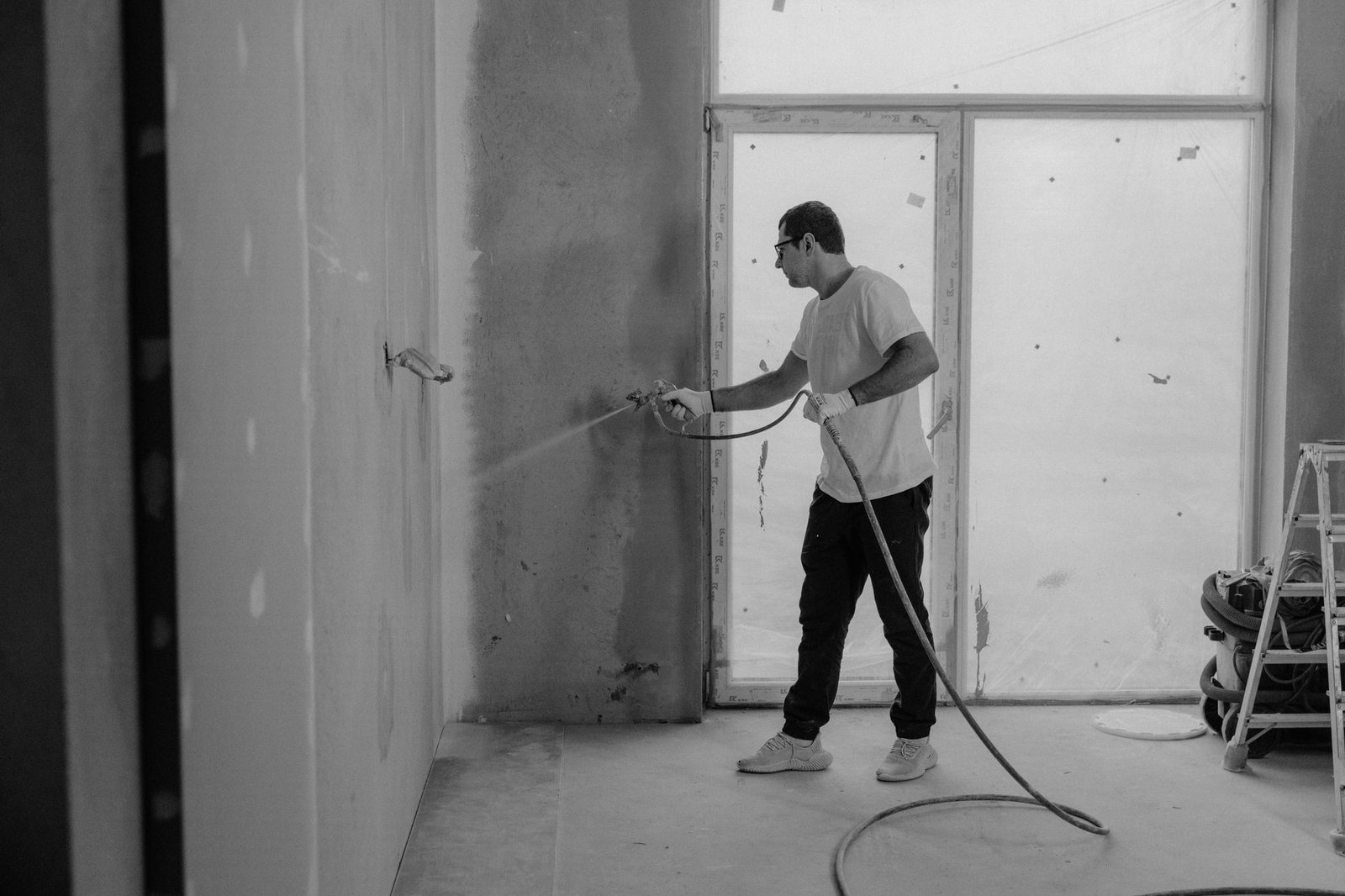
In 2026, the investment required for professional interior painting services presents a wide range, significantly influenced by a multitude of factors. For a standard-sized room, costs can typically fall between $400 and $1,200. Larger projects, such as a complete home interior, might range from $3,000 to upwards of $10,000 or more, reflecting the scale and complexity involved. This comprehensive guide will explore the specific variables that contribute to these pricing structures and provide homeowners with the necessary insights to secure an accurate and transparent quote for their painting endeavors in the current year.
Factors Influencing Interior Painting Costs in 2026
Understanding the components that shape the final price tag for professional interior painting is crucial. Several key elements contribute to the overall expenditure, varying from project to project.
Room Size and Architectural Complexity
The sheer volume of surface area to be painted is a primary determinant of cost. Larger rooms and those with high ceilings naturally require more paint and labor time. Furthermore, intricate architectural details such as crown molding, wainscoting, built-in shelving, or complex trim work necessitate meticulous precision and additional masking, significantly increasing labor hours. Open-plan living spaces, prevalent in modern home design, often encompass a greater continuous surface area, impacting both material requirements and project duration.
Surface Condition and Essential Preparation Work
The state of the walls, ceilings, and trim before painting is a critical factor. Extensive preparatory work can constitute a substantial portion of the project cost. This includes tasks such as patching holes, repairing drywall damage, addressing cracks, sanding rough surfaces to ensure optimal adhesion, stripping old or peeling paint, and applying primer. In 2026, professional services often incorporate advanced dust control measures and meticulous surface cleaning protocols to ensure a pristine base, which contributes to the overall labor investment.
Paint Type, Quality, and 2026 Material Developments
The choice of paint profoundly impacts both the aesthetic outcome and the total cost. Premium paints, while more expensive per gallon, offer superior durability, better coverage, and a more refined finish. In 2026, the market showcases advanced material developments, including zero-VOC or ultra-low VOC paints, which are highly sought after for their health and environmental benefits, ensuring enhanced indoor air quality. Furthermore, innovative options like air-purifying paints, which actively neutralize pollutants, and smart paints, offering features like thermochromic properties for temperature regulation or enhanced moisture resistance, are gaining traction. Sustainable and recycled-content paints also represent a growing segment, often commanding a higher initial price point but providing long-term value and eco-benefits.
Number of Coats and Color Transitions
The desired depth of color and the existing wall color dictate the number of paint coats required. A significant color change, particularly from a dark hue to a light one or vice-versa, typically necessitates multiple coats to achieve full opacity and a uniform finish. Similarly, opting for several distinct colors within a single space, or choosing contrasting colors for trim and walls, adds to the labor time due to the need for precise cutting, extensive masking, and careful application to prevent bleed-through.
Labor Rates, Expertise, and Geographic Location
The cost of labor is a significant component of any painting project. Professional painters’ rates vary based on their experience, skill level, and the overhead associated with running a reputable business, including licensing, insurance, and worker benefits. Geographic location also plays a substantial role, with services in major metropolitan areas generally incurring higher labor costs compared to rural or less populous regions. The demand for skilled professionals in a particular area can also influence pricing.
Average Cost Breakdown by Room Type (2026 Estimates)
While precise quotes require an on-site assessment, the following provides general cost ranges for professional interior painting in 2026, based on typical room sizes and standard paint choices:
- Standard Bedroom (approx. 10×12 ft): $400 – $800
- Living Room (approx. 15×20 ft): $700 – $1,500 (Costs can increase significantly for very high ceilings or extensive built-ins).
- Kitchen (standard size, walls only): $600 – $1,300 (Does not typically include cabinets, which are a separate, more involved project).
- Bathroom (standard size): $300 – $700 (Often smaller, but intricate work around fixtures and potentially higher humidity paint requirements can factor in).
- Hallway or Entryway: $300 – $700+ (Highly variable depending on length, ceiling height, and number of doorways/arches).
- Trim, Doors, and Windows Only (per room/item): $100 – $300 (A separate cost often added to wall painting or as a standalone service).
These estimates typically include basic preparation, two coats of standard quality paint, and labor. Additional services like extensive repairs, specialty finishes, or premium paints will increase these figures.
Navigating Quotes and Ensuring Value in 2026
Securing the best value for an interior painting project involves more than just comparing bottom-line numbers. A strategic approach to obtaining and evaluating quotes is essential.
Getting Accurate and Transparent Estimates
It is highly recommended that homeowners obtain at least three detailed, written quotes from different reputable painting contractors. A professional contractor will insist on an on-site visit to thoroughly assess the space, surface conditions, and specific project requirements. These quotes should provide an itemized breakdown of costs, distinguishing between labor, materials (including specific paint types and quantities), and preparatory work. Inquire about the contractor’s licensing, insurance, and references, and review their portfolio of previous work to gauge their quality and aesthetic alignment.
Understanding the Painting Contract
Before any work commences, a comprehensive contract should be provided and thoroughly reviewed. This document must clearly outline the entire scope of work, including specific areas to be painted, the chosen paint colors and finishes, the number of coats, and any agreed-upon prep work. It should also detail the project timeline, payment schedule, and terms for unforeseen circumstances. A professional contract will typically include warranty information for the workmanship, offering peace of mind to the homeowner.
2026 Trends in Painting Services and Added Value
The interior painting industry in 2026 is seeing an integration of technology and sustainability. Homeowners can benefit from services offering digital color matching and augmented reality (AR) visualization tools, allowing for a realistic preview of color schemes in their actual space before commitment. An emphasis on eco-conscious practices is growing, with contractors prioritizing the use of sustainable materials and responsible waste disposal methods. Furthermore, demand for specialty finishes—such as unique textures, faux finishes, metallic accents, or custom murals—continues to rise, adding bespoke artistry to interior spaces, though these services typically come at a higher premium due to the specialized skills and materials involved.
Ultimately, investing in professional interior painting is an investment in the property’s aesthetic appeal, indoor comfort, and long-term value. By understanding the cost factors, meticulously evaluating quotes, and leveraging modern industry trends, homeowners can ensure a successful and satisfying transformation of their living spaces.